
Why tracking updates matter on a same-day run
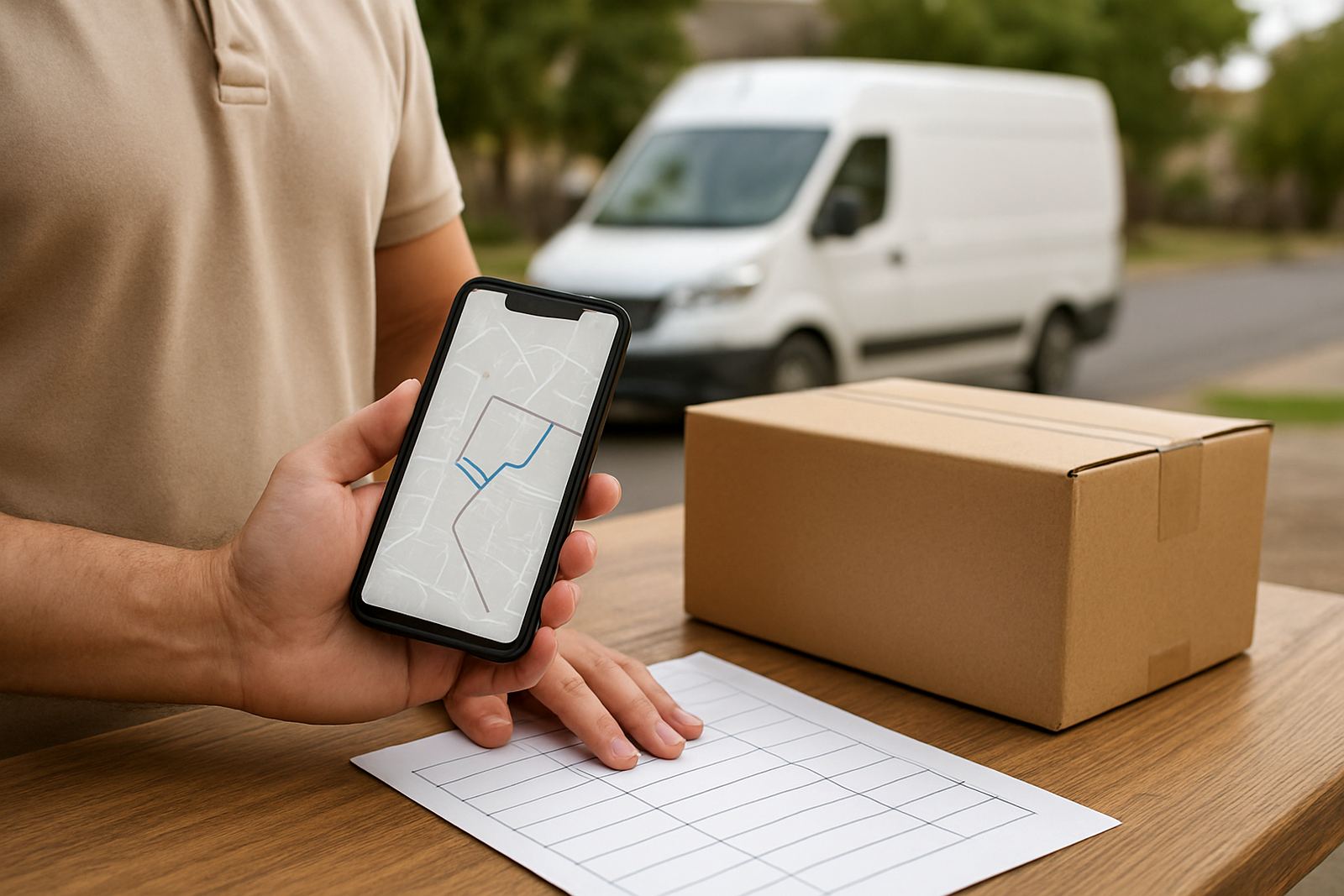
Same-day courier work moves quickly, especially on runs between Midrand, Sandton, Randburg, Pretoria and the East Rand. A status update helps you see whether the parcel is still waiting for collection, already on the road or close to delivery. For businesses that send documents, small parcels or internal mail, that information matters because staff can prepare the next step instead of guessing.
In practical terms, tracking also helps when loadshedding, traffic on the N1 or a security gate delay the handover by 15 or 20 minutes. You do not want to sit wondering if the driver is behind schedule when the status already shows that collection has been completed and the parcel is en route. It keeps everyone on the same page, which is what good logistics should do.
- It confirms that the job has been logged and accepted.
- It shows when collection has happened and the item is moving.
- It helps receivers know when to expect delivery and arrange sign-off.
What each common courier status usually means
Most tracking messages use short wording, but the meaning is usually simple. A status marked received or booked means your request is in the system and a run has been scheduled. Collected means the driver has the item in hand. In transit means it is moving between points, whether that is across Midrand or between metro hubs such as Johannesburg and Durban. Out for delivery means the last leg has started and the item should arrive within the stated window.
If you see a status such as pending, on hold or awaiting instruction, it normally means the driver cannot complete the next step yet. That can happen when the address is unclear, the receiver is unavailable, access instructions are missing or a building requires security clearance. Small details matter here. A wrong floor number, gate code or contact person can slow a same-day run more than people expect.
- Booked: the trip is recorded and waiting for dispatch.
- Collected: the parcel or documents are with the courier.
- In transit: the item is moving between collection and delivery points.
- Delivered: the handover has been completed and usually signed for.
How proof reporting fits into the update trail
Tracking tells you where the item is, while proof reporting tells you what happened at delivery. For many businesses, that final record is just as important as the journey itself. It can include a name, time, signature or other confirmation that the parcel reached the correct person. For tender submissions, compliance files and inter office mail, that trail is often the thing that closes the loop.
It also helps when a recipient later says they never got the item. A clear proof record reduces back-and-forth and gives your team something concrete to refer to. That is especially useful for account clients who send repeated runs each week and need a proper paper trail, not just a verbal update. In practice, good proof reporting saves time and prevents confusion, which is worth a lot when the day is busy.
A local example from Midrand to Sandton
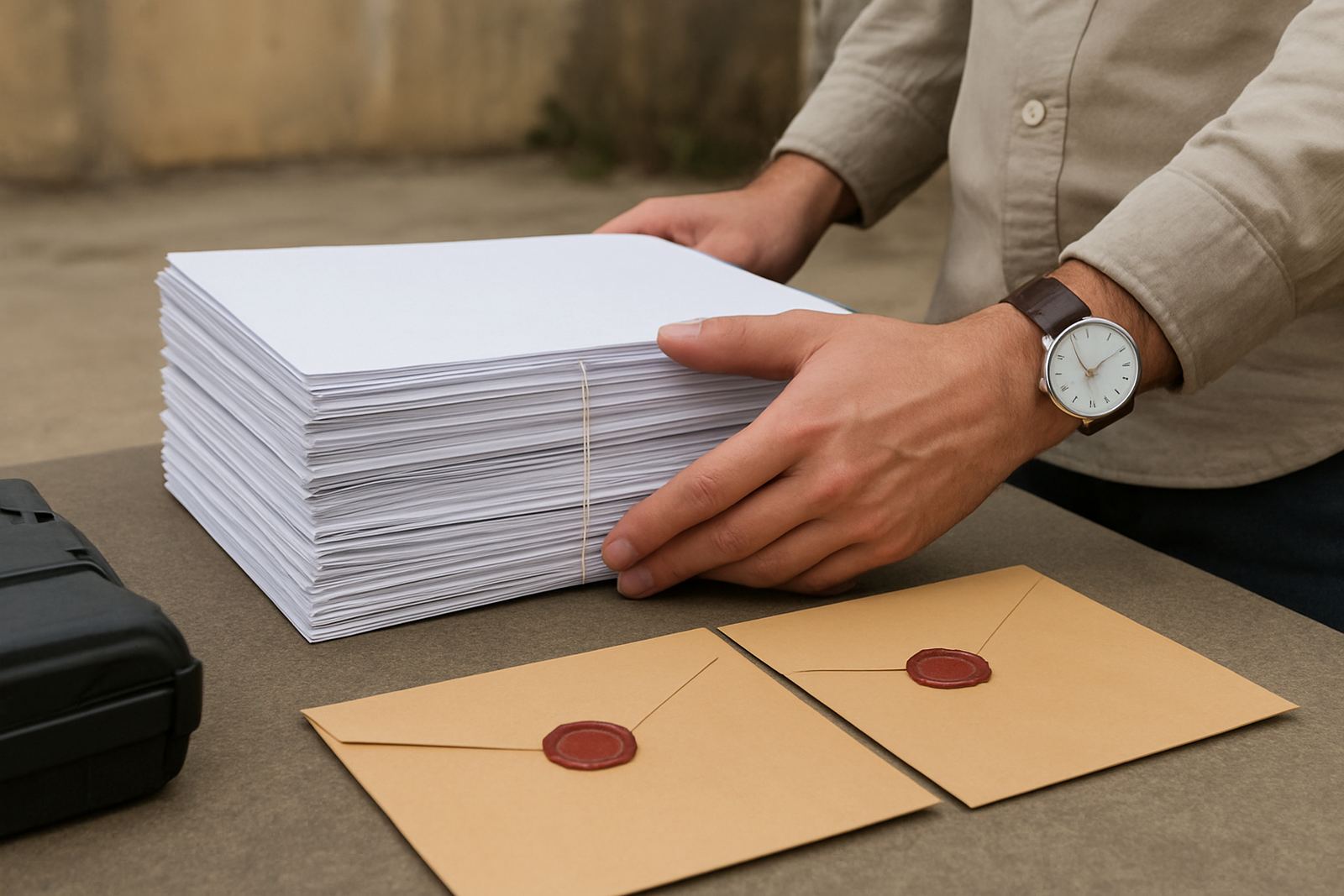
Take a same-day document run from a law office in Midrand to a client in Sandton. The job is booked at 09:10, collected at 09:35 and marked in transit by 09:40. That tells the sender the envelope has left the office and is already moving through the route. If traffic builds on Rivonia Road or a tower block needs a loading bay clearance, the next update may stay at in transit for a while longer than planned, but the status still shows the parcel is moving.
When the driver reaches the building, the update may change to arrived at destination or out for delivery, depending on the system used. Once the handover happens, the final status reads delivered and proof is captured. If the receiver was in a meeting, the update might be delayed by a few minutes while access is sorted out. That does not mean the parcel is lost, it usually means the delivery is being finished properly. A quick status check can stop a lot of unnecessary phoning around.
- Booking time: confirms when the run was accepted.
- Collection time: shows when the item left the sender.
- Delivery time: confirms the final handover and completion.
What to do when an update looks stuck
Sometimes a tracking message stays on the same status for longer than expected. Before assuming there is a problem, check the address, the delivery instructions and the agreed collection window. In Gauteng, a delay can come from a school run, peak hour traffic or a security counter that is slow to release a parcel. In Cape Town or Durban, weather, harbour traffic or busy commercial areas can also affect timing. These things happen and they do not always mean something has gone wrong.
If the update still looks stuck, the best step is to ask for a clear status check rather than sending multiple messages. One focused query usually gets a better answer than five quick ones. Share the job reference, the sender name and the delivery area so the operations team can look it up properly. That makes it easier to confirm whether the item is waiting, already collected or just delayed by a route issue. A little patience goes a long way, but the information must still be specific.
How to use tracking updates better in your own office
Good tracking habits make same-day courier work easier for both the sender and the receiver. If your office sends daily collections, document exchange or internal mail runs, keep one person responsible for checking updates and passing on the correct information. That avoids mixed messages and helps other staff know when to expect the next step. It also keeps your records tidy, which matters when you handle account deliveries or repeat routes across branches.
A simple process is usually enough. Confirm the collection address, include the right contact name, and make sure the receiver knows they may need to sign. If your item is urgent, flag it early as a priority booking so the dispatcher can plan the run. In a city like Johannesburg, where traffic and building access can change quickly, clear instructions are often the difference between a smooth delivery and a delayed one. The tracking then becomes a useful tool, not just a status screen.
- Send complete address details and access notes with every booking.
- Use one internal contact to monitor the update trail.
- Match the expected delivery time to the route and the building access rules.