


















How to choose the right courier option
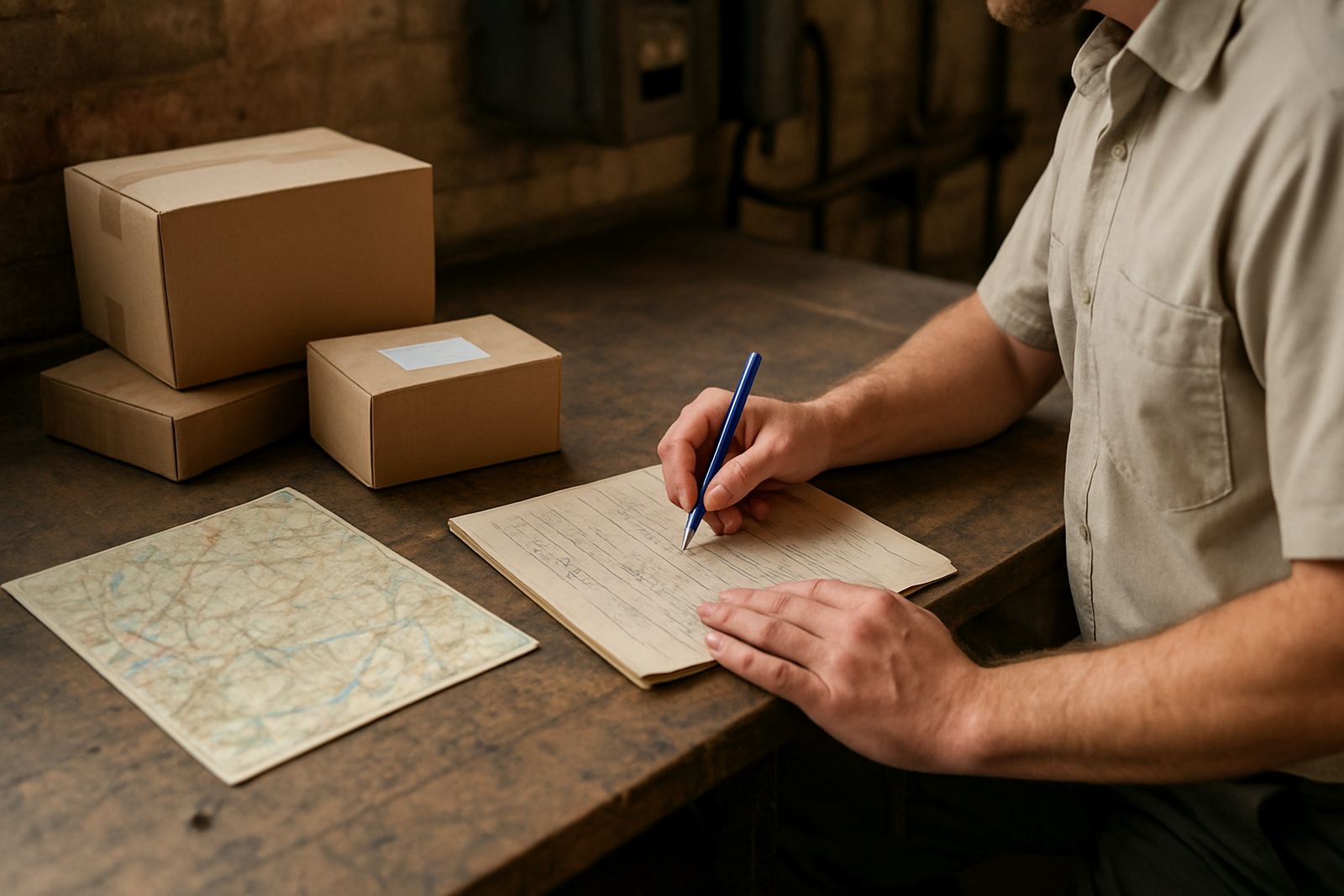
Not every delivery needs the same handling. A signed contract going from Midrand to Sandton, for example, may need a dedicated run with proof of delivery, while a stack of office records between Gauteng branches can often fit a scheduled route. If the item is urgent, time-sensitive or difficult to replace, choose the service that gives you the clearest control over collection and drop-off.
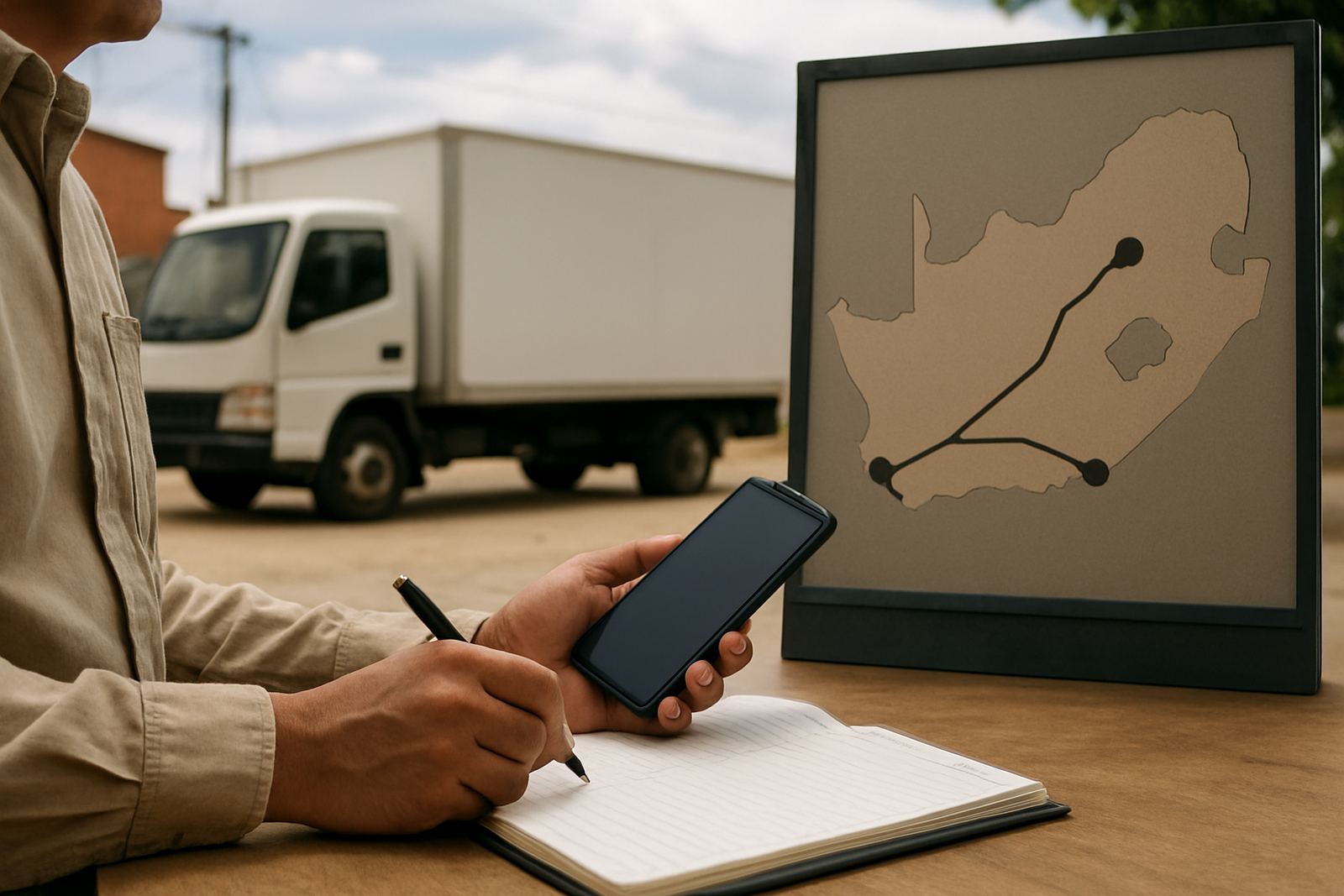
For companies with repeated movement between sites, the best option is often a planned courier pattern rather than a one-off booking. That helps with admin, keeps staff informed, and reduces the back-and-forth that causes missed handovers. It also helps when load-shedding or traffic on the N1, N3 or R24 shifts normal delivery times.
- Use same-day courier for urgent documents, small parcels and signed paperwork.
- Use scheduled routes for recurring collections between branches, offices or suppliers.
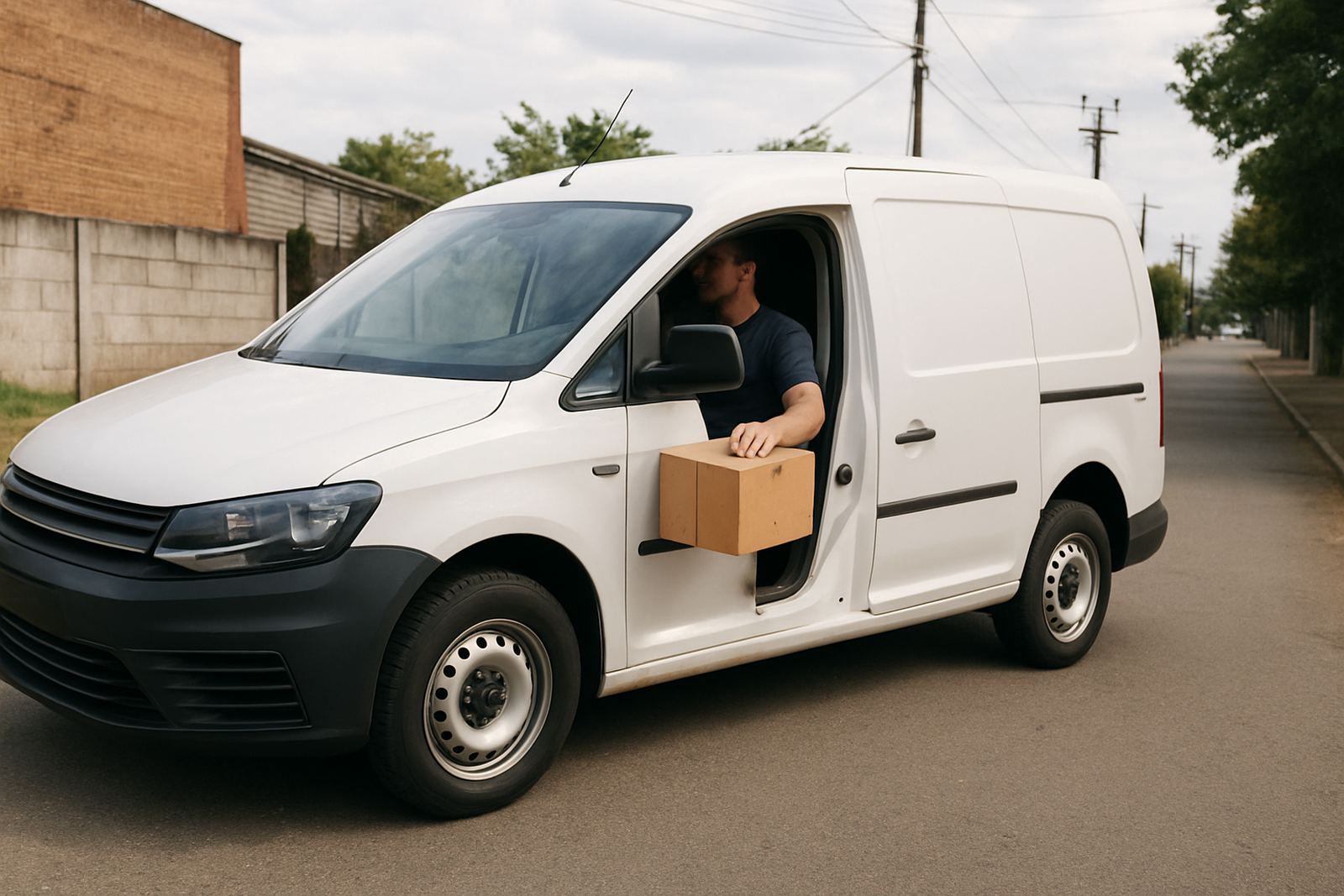
- Use dedicated courier when the item must travel alone and arrive on a fixed timeline.
- Use returns management when items need to come back with tracking and confirmation.
Packing documents and small parcels for South African roads
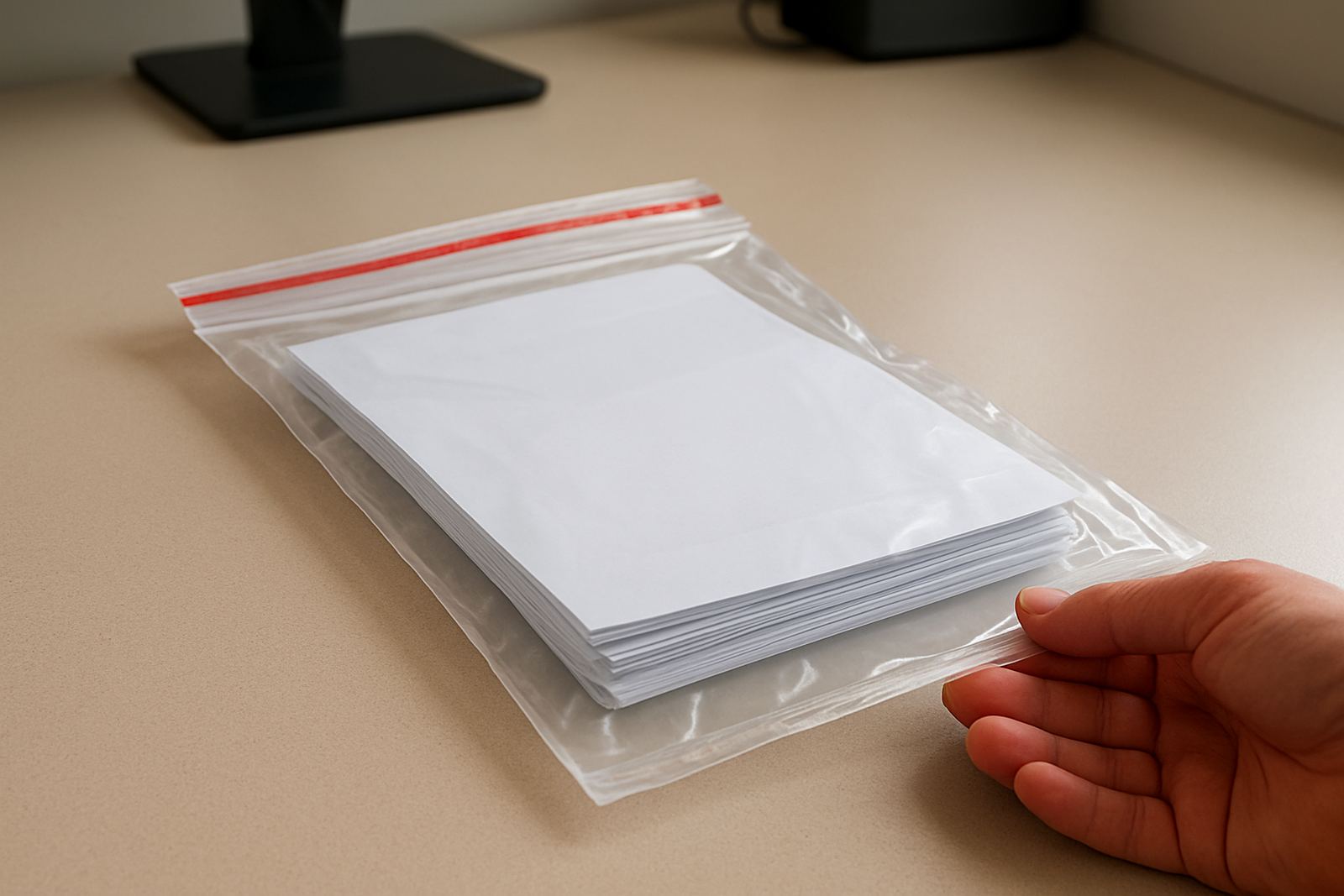
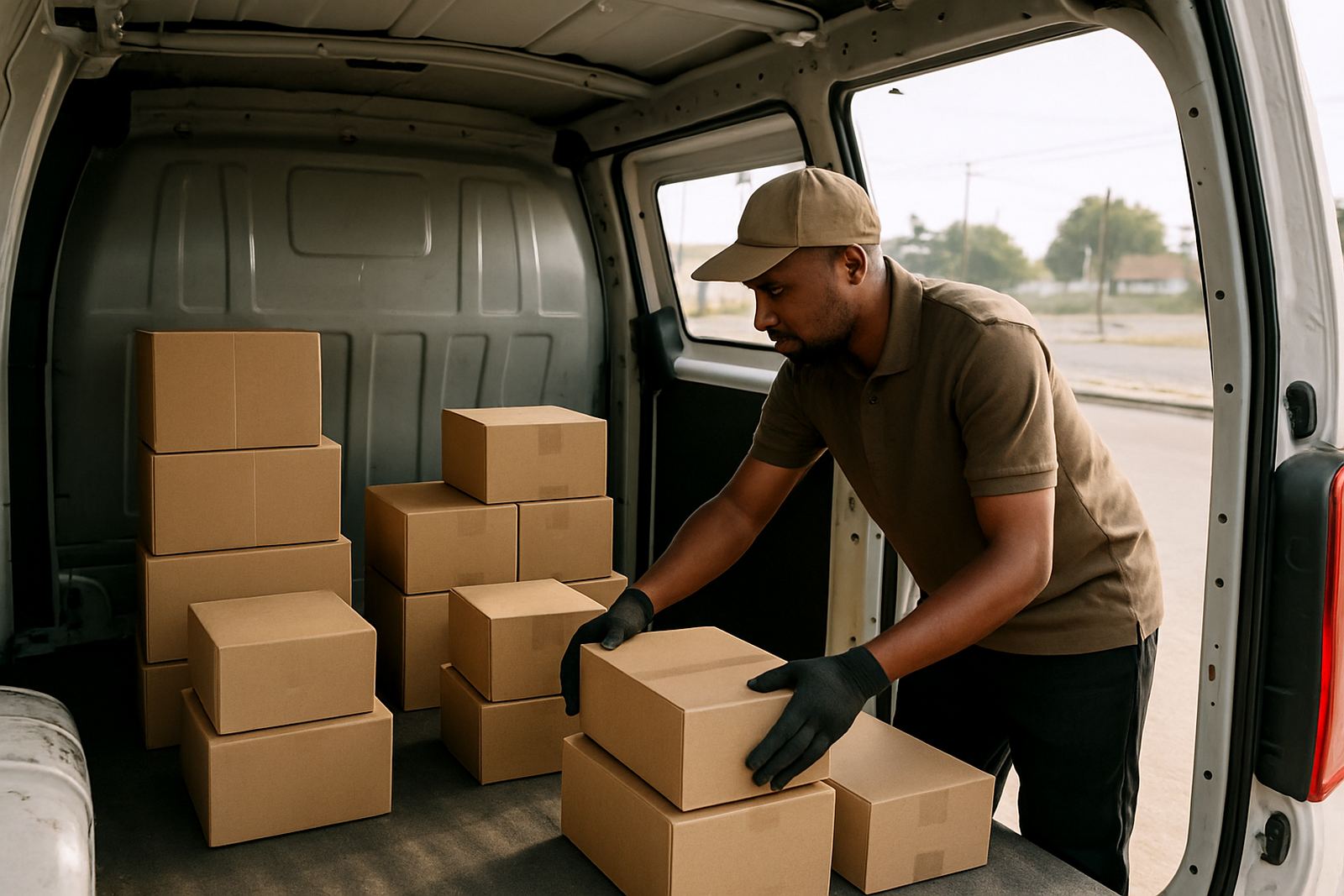
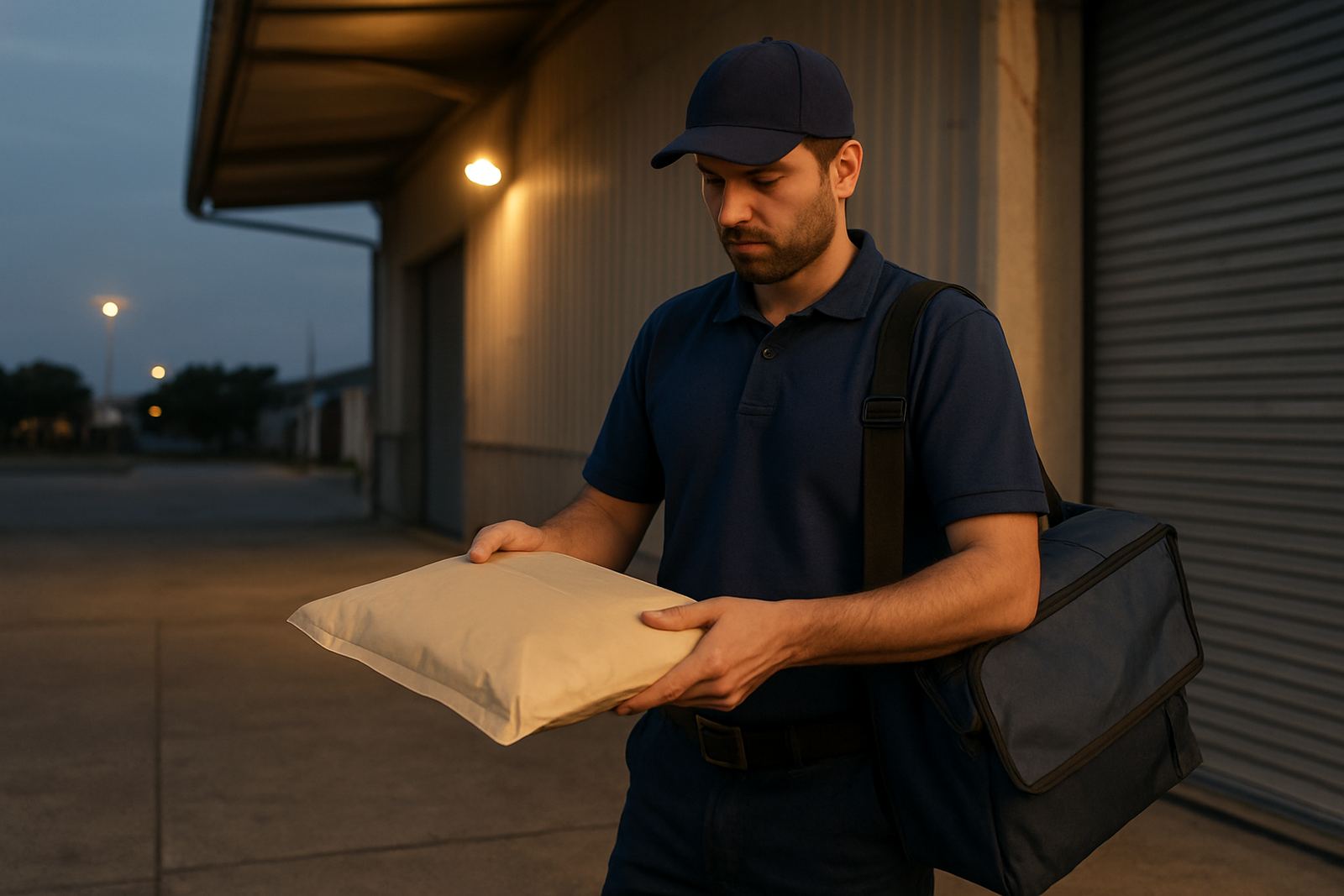
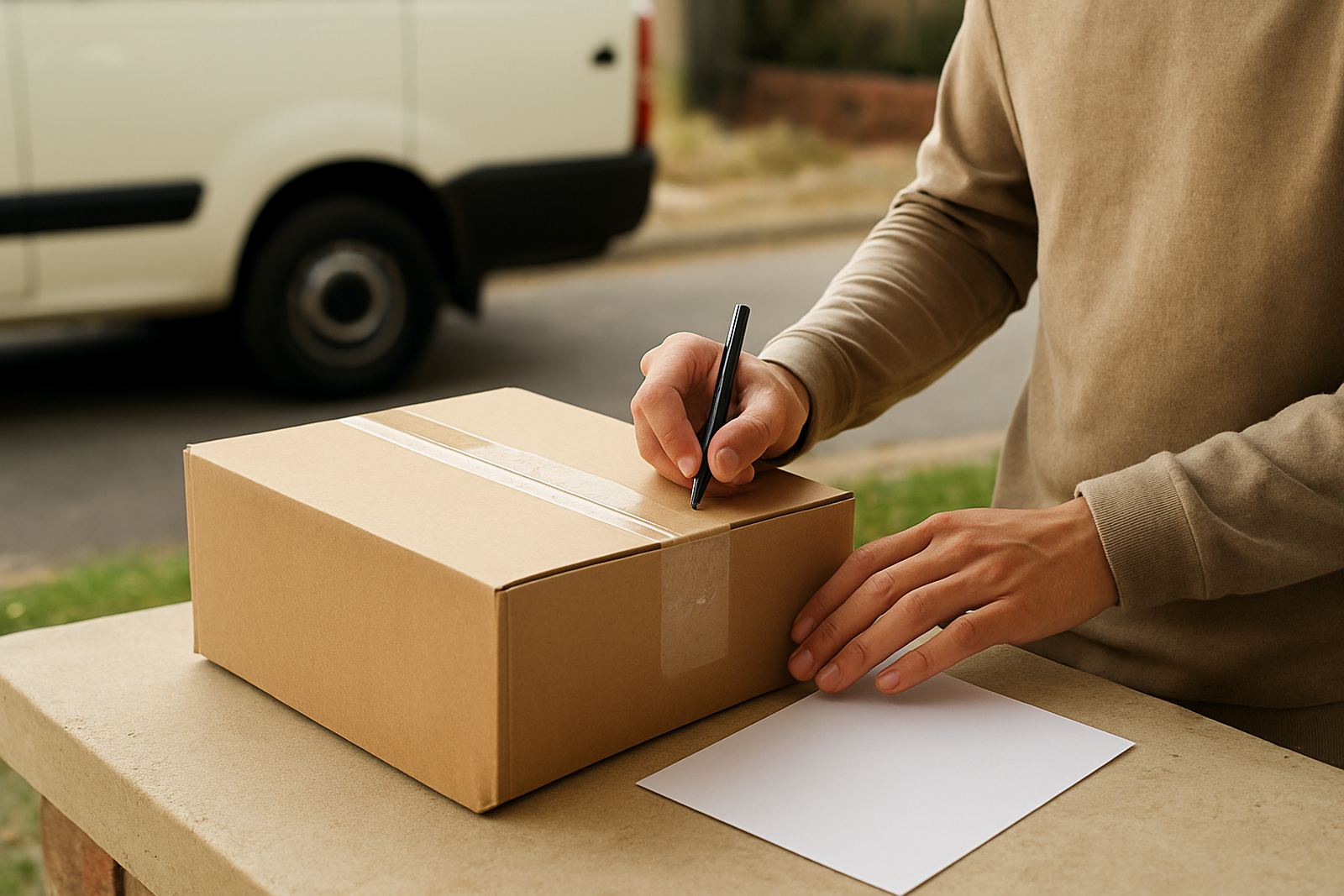
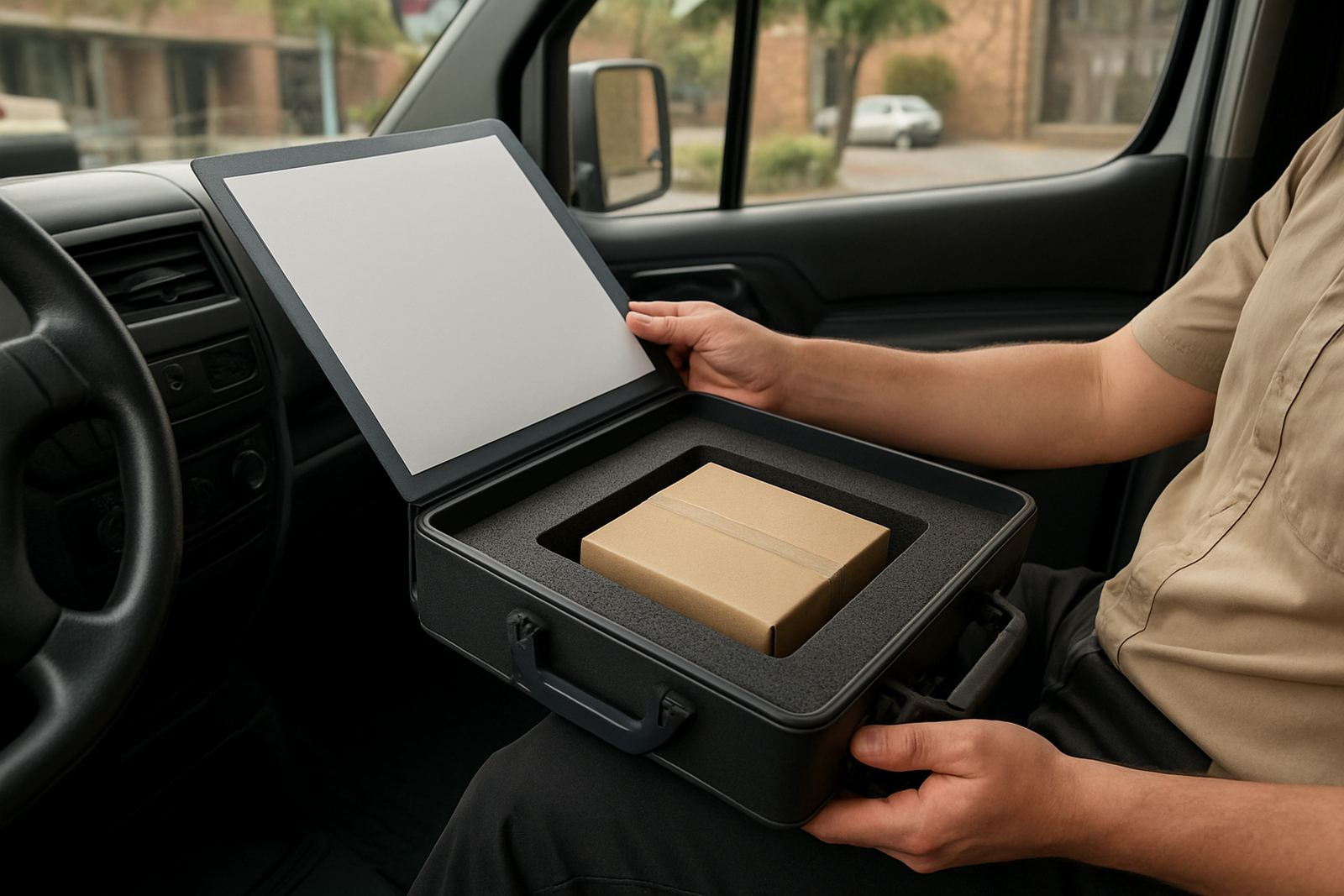
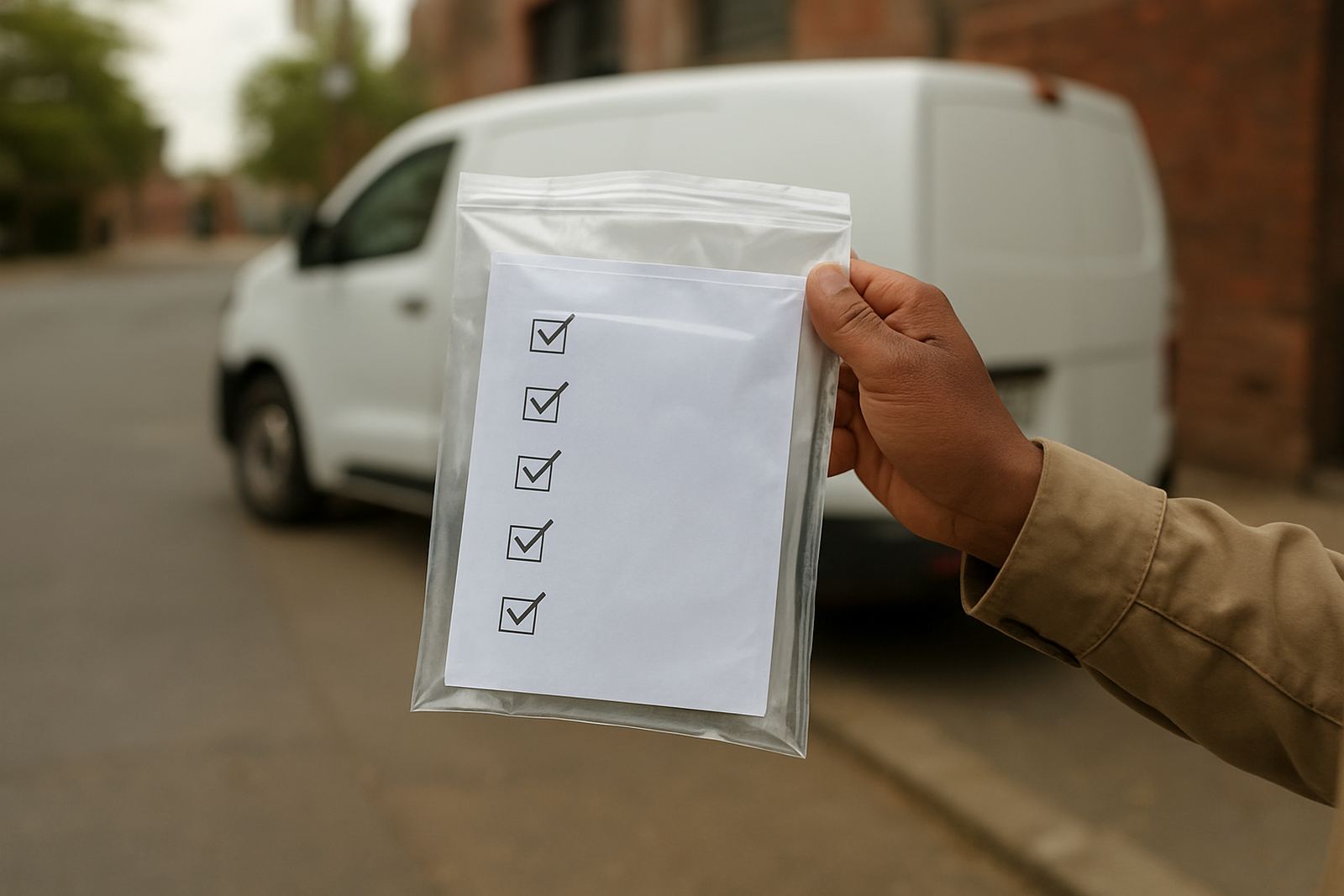
Good packing protects the contents and makes handovers faster. Documents should be flattened in a sleeve or envelope that will not bend in transit. Small parcels should be sealed properly, labelled clearly, and kept within a size that is easy to handle in office parks, reception areas and security-controlled estates.
In coastal humidity, especially around Durban and parts of Cape Town, paper and packaging can pick up moisture if left exposed. Use a clean outer covering and avoid weak tape that lifts in heat. In Gauteng, dust and frequent stop-start movement can work loose labels, so keep address details readable and secure.
- Mark the sender, recipient and the full delivery point clearly.
- Keep loose pages together with a clip or envelope insert.
- Use a strong outer pack for items that could tear or crush.
- Remove old labels so there is no confusion at collection.
What delays same-day delivery most often
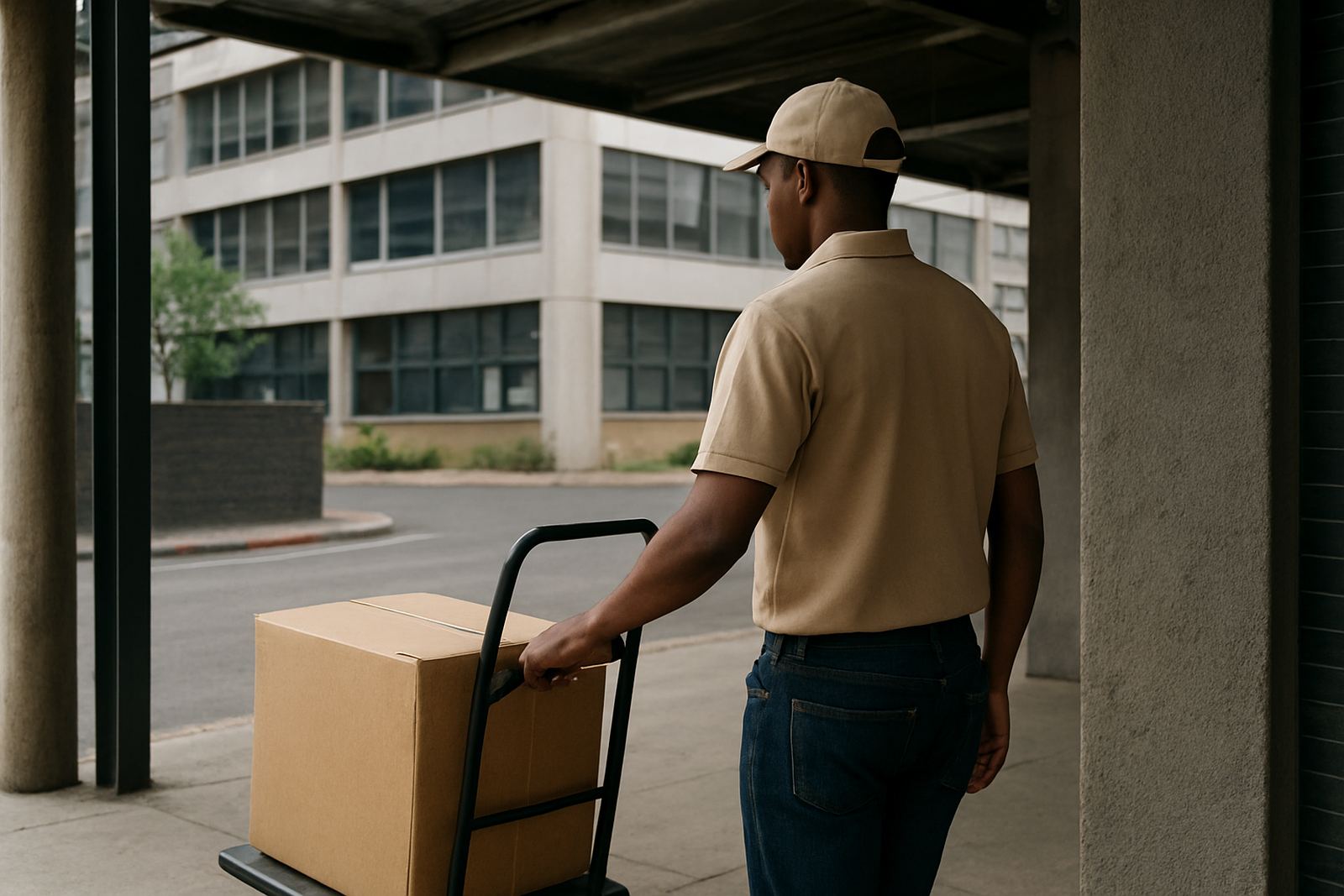
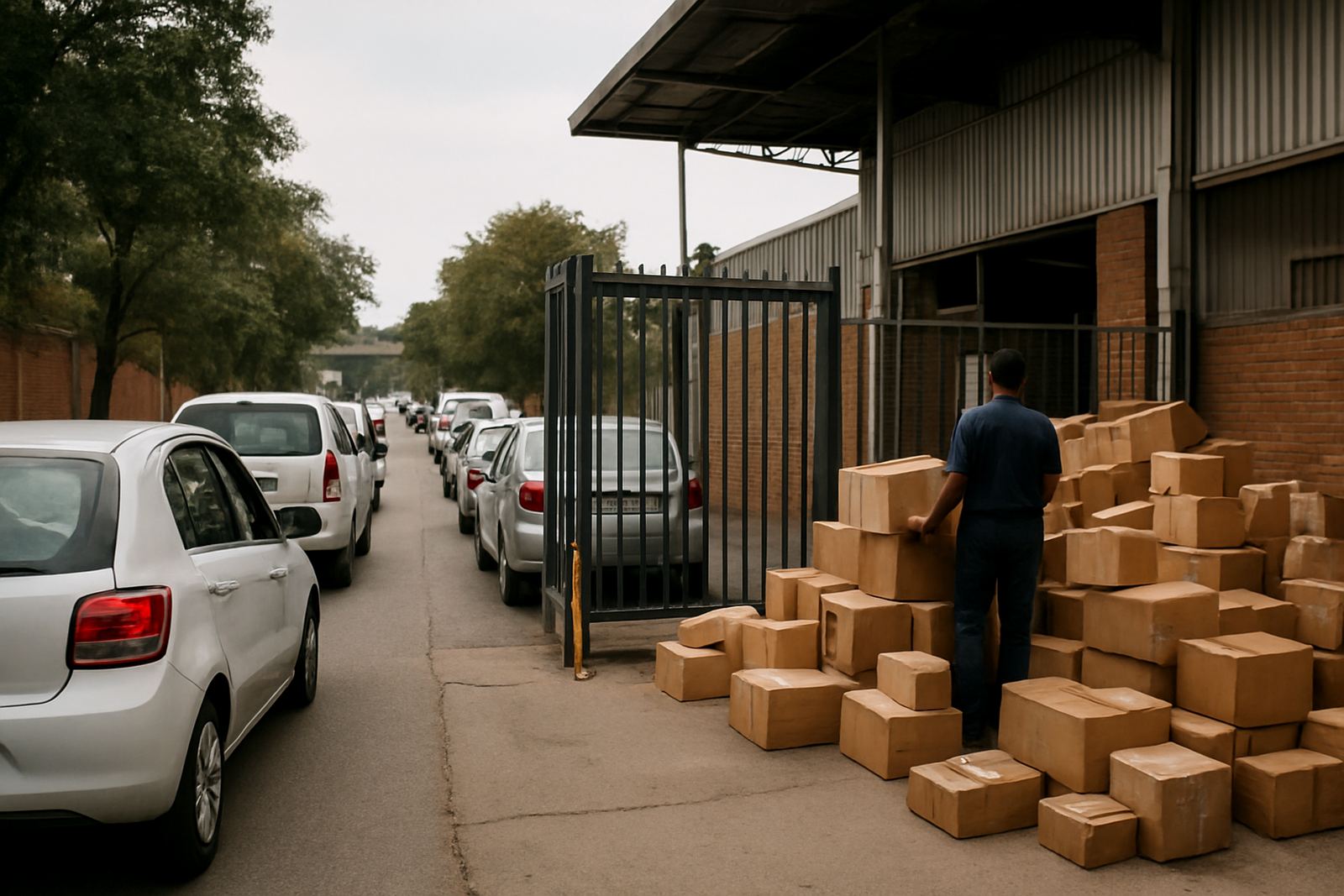
Most delays come from missing details, not the road itself. A courier can move quickly across Johannesburg, Pretoria or East Rand, but if the recipient name is incomplete, access instructions are vague, or the office closes early, the job can stall. The same applies to metro runs into Durban and Cape Town where building access, security checks and parking can eat into the window.
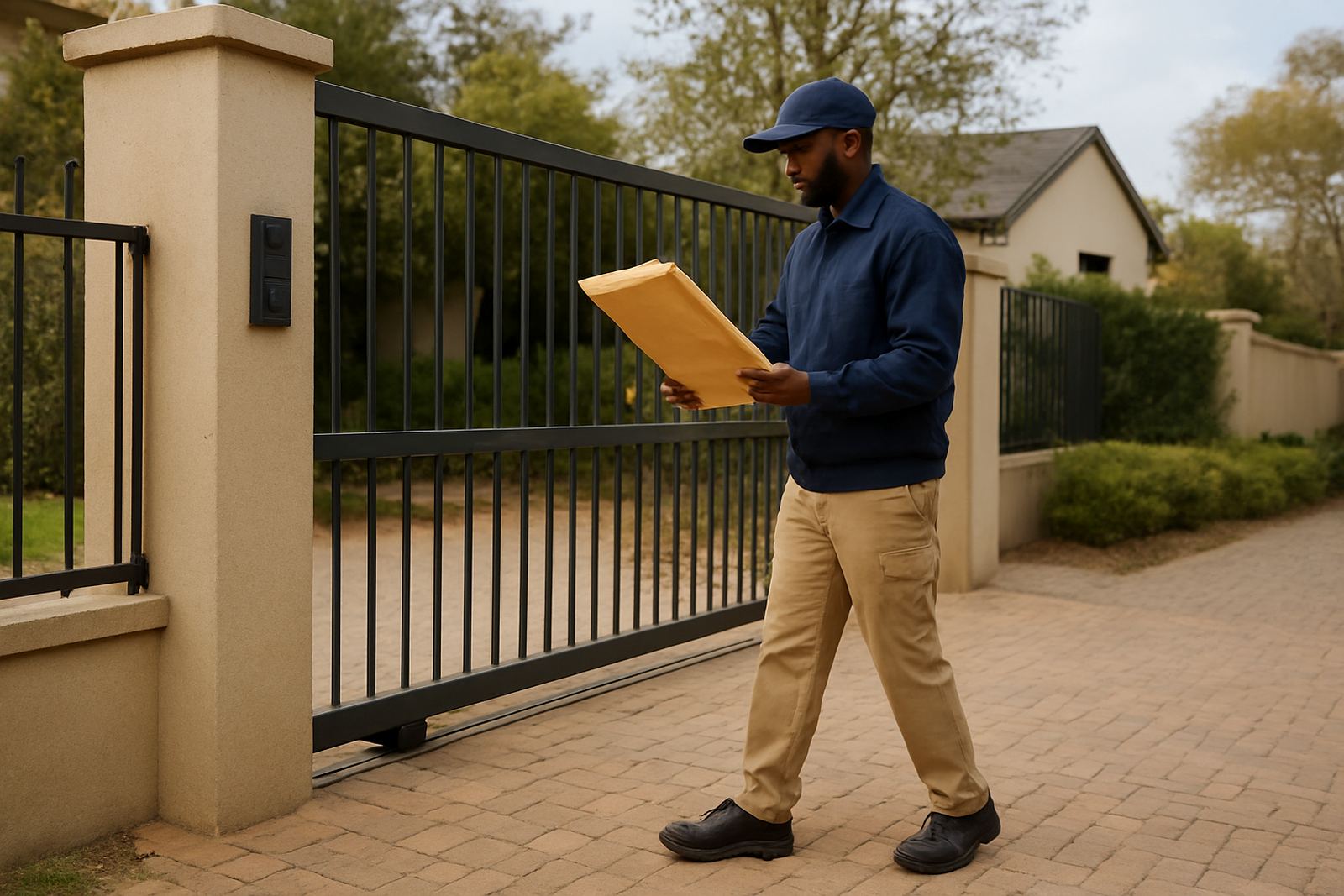
Before booking, check the recipient’s exact address, floor number, reception process and trading hours. If the item must reach a municipal office, tender registry or gated site, make sure the access rules are known upfront. It saves time and avoids having the parcel returned to base.
- Confirm the correct contact person before dispatch.
- Share gate codes, loading bay details or estate rules where needed.
- Tell the courier if the item must be delivered before lunch or before close.
- Prepare proof requirements in advance, such as a signed name or stamp.
When proof reporting matters most
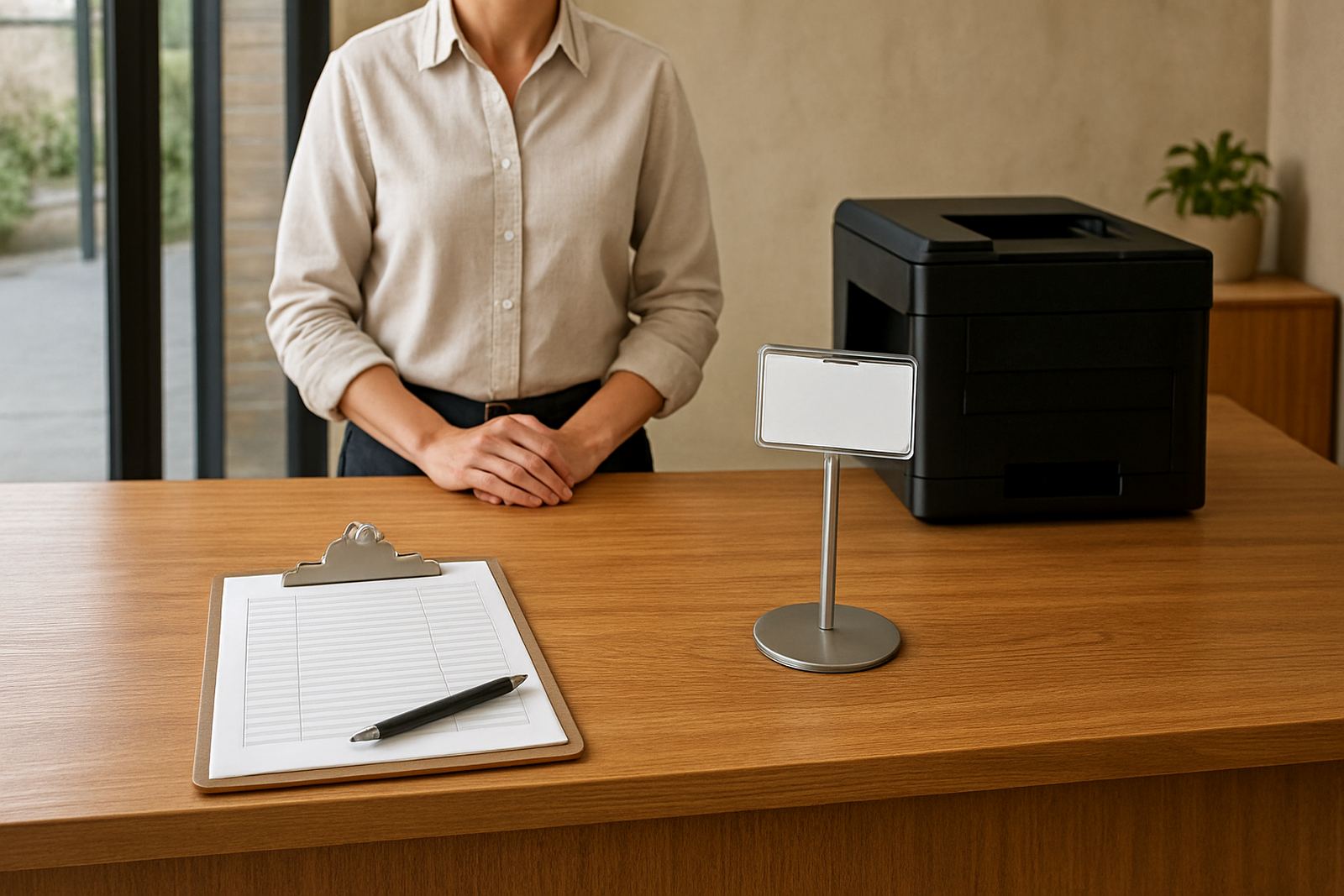
Proof reporting is useful when the delivery is linked to finance, compliance, procurement or legal work. If a tender submission must arrive on time, or if internal mail has to be tracked between departments, a clear record removes guesswork. Many firms in Midrand, Sandton and Pretoria ask for proof because it keeps the admin team aligned with the operations team.
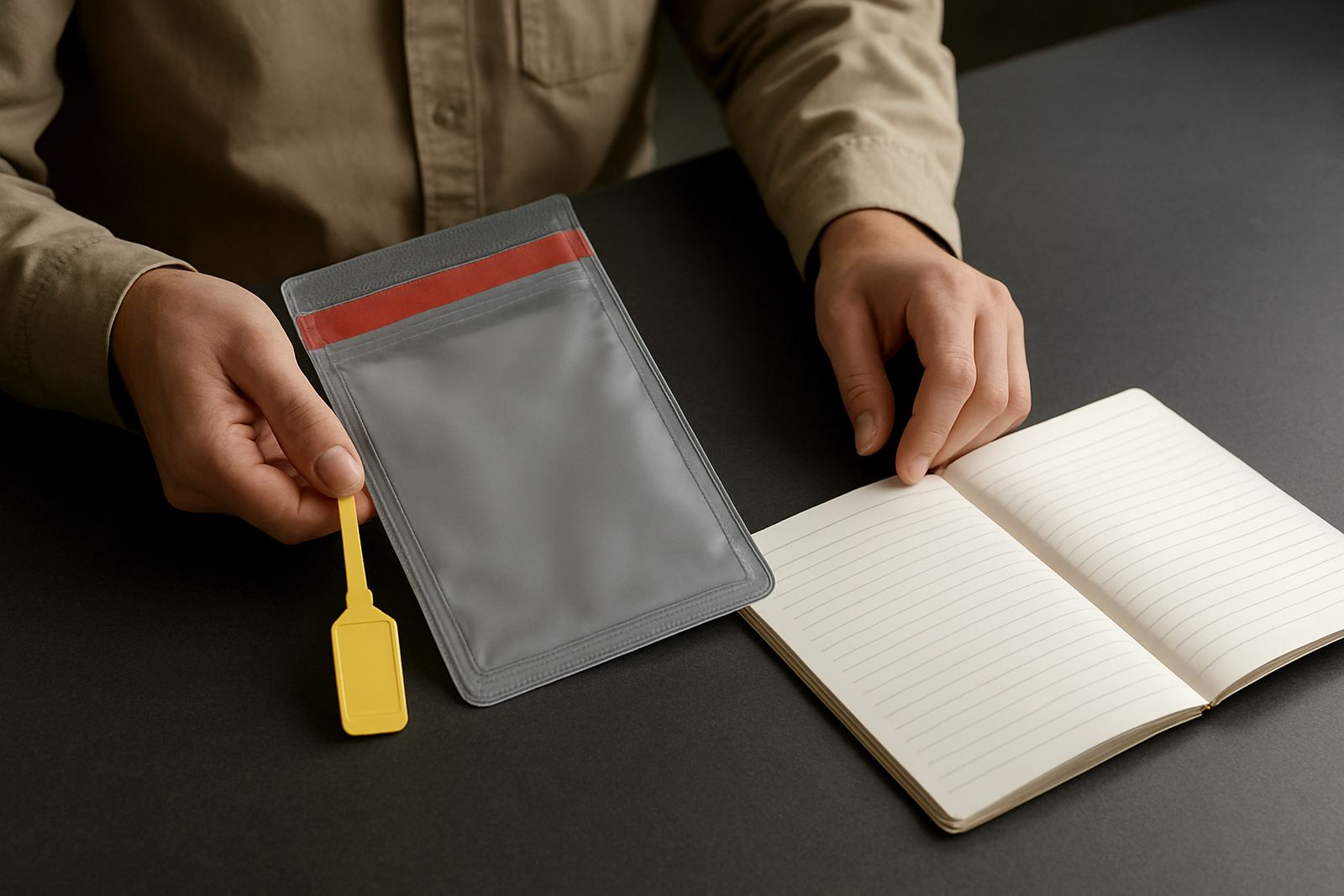
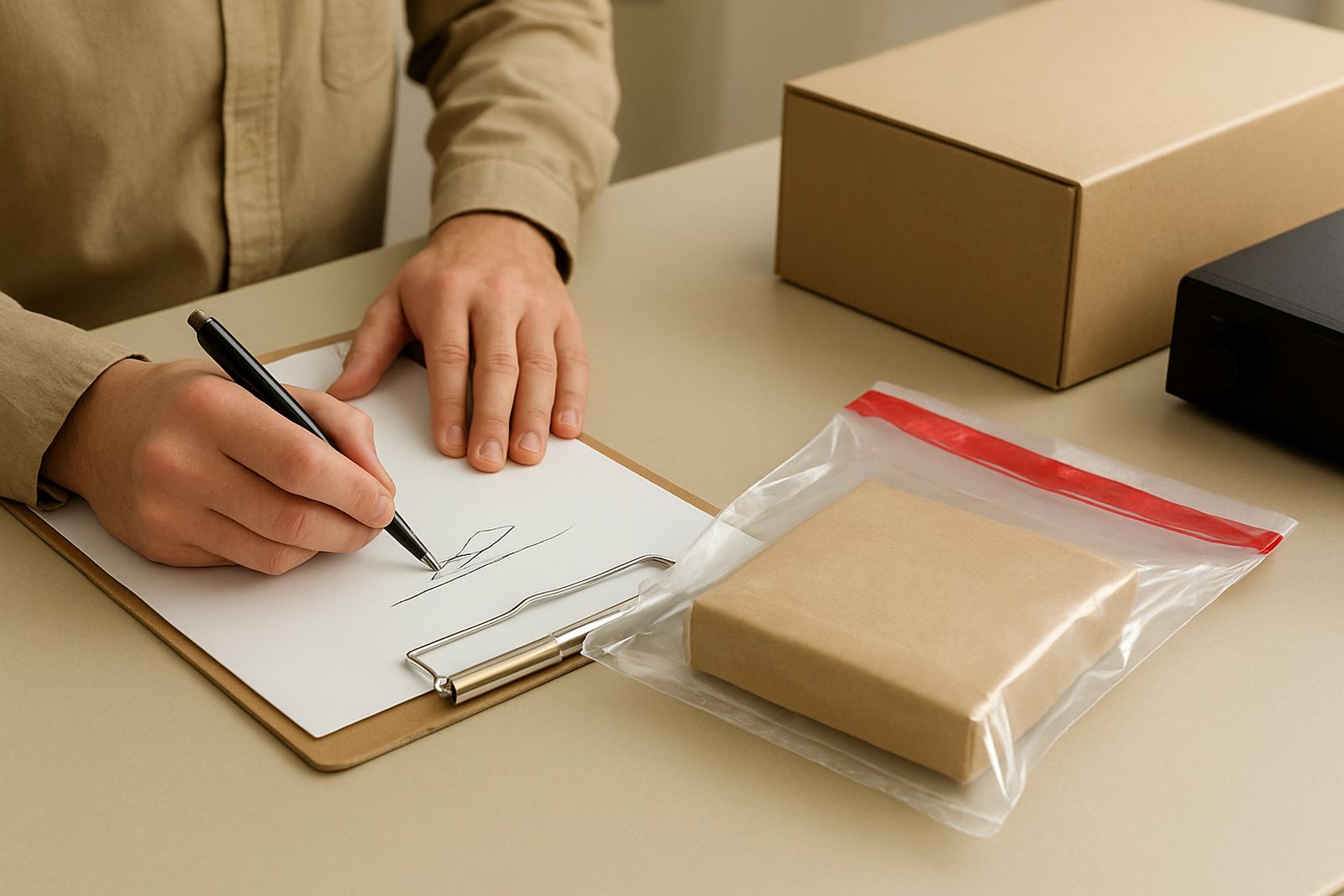
For sensitive items, ask for a delivery trail that shows collection, transit and handover. That is especially useful when more than one branch is involved, or when the package passes through different people during the day. It also helps if something needs to be checked later for timing or chain of custody.
Courier planning for offices with repeat movement
Businesses with branches, suppliers and field teams usually save time by planning a regular courier rhythm. Internal mail runs, document exchange and multi-branch support work best when pickups are predictable and the receiving teams know what to expect. This is especially helpful for practices, agencies, accounting firms and sales teams that move paperwork daily.
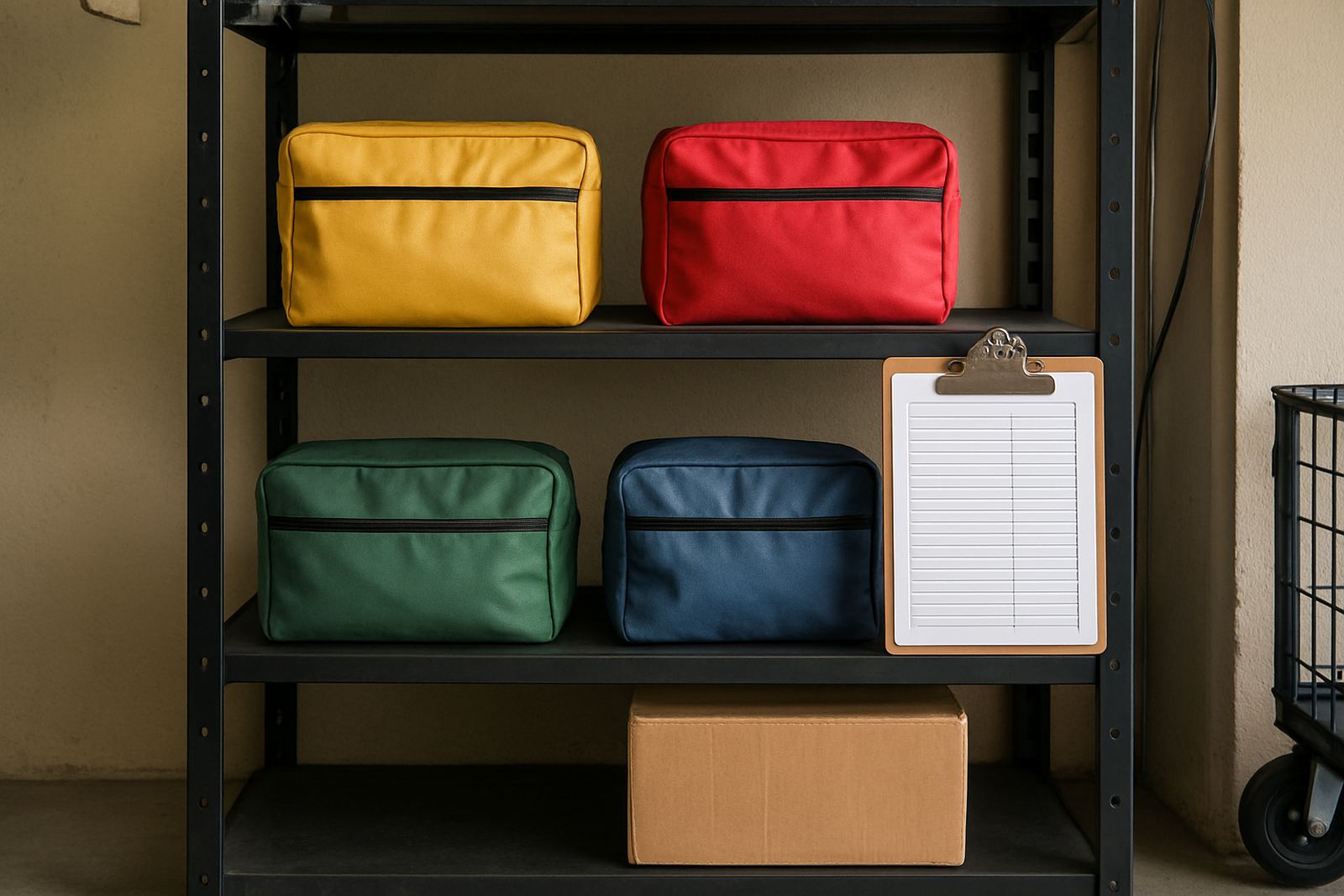
At A-Two, the goal is to keep the handover simple. A clean collection list, a confirmed route and a clear delivery note can prevent extra calls and keep the day moving. It also makes it easier to manage urgent jobs alongside regular runs, which matters when your team is balancing meetings, filing and after-hours deadlines.
- Set fixed collection times for routine routes.
- Group similar items together where possible.
- Keep a named contact at each branch for quick handovers.
- Review volumes monthly so the route still fits the workload.
Useful questions before you book a dispatch
Good planning starts with a few practical questions. What is being sent, how urgent is it, and who must sign for it on arrival? Is it one envelope, several files or a small parcel that needs careful handling? Once those points are clear, the booking is easier and the timing is more accurate. Even a simple same-day run can be affected by traffic, weather or office access so the more detail you give, the better.
If you are unsure which service fits your need, speak to our team through the enquiry form on the contact page. We can help with priority bookings, scheduled routes, dedicated courier, returns and other delivery needs across Gauteng and metro hubs in Durban and Cape Town.