

Why the first 60 seconds at reception matter
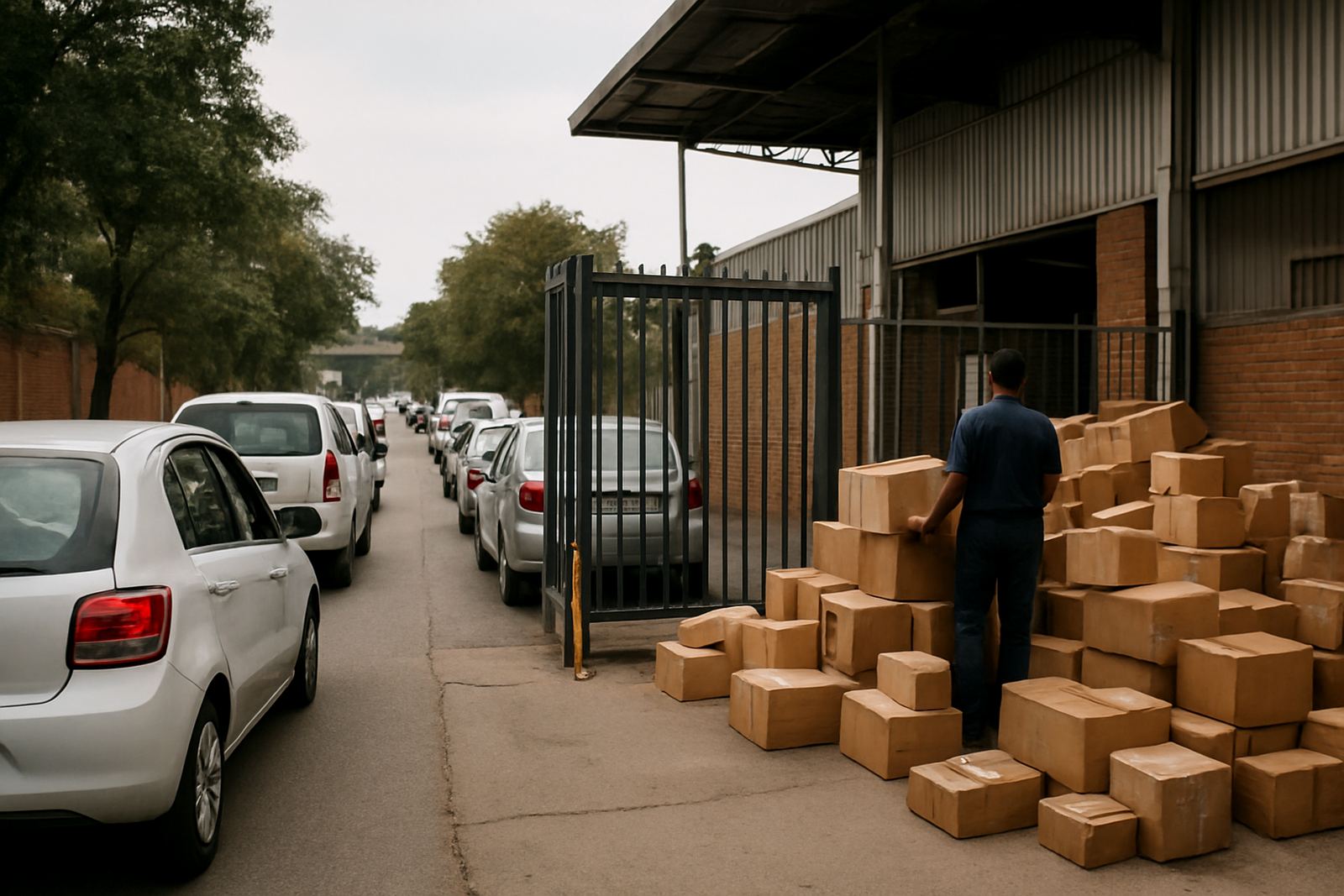
When a courier arrives at a busy office, reception is the control point. If the parcel is ready, labelled and handed over with the right details, the driver can move on quickly and the collection stays on schedule. If the item is still being packed, or nobody knows who signed it out, the run slows down and every stop after that feels the delay.
For businesses in Midrand, Sandton, Randburg and the East Rand, that matters on tight same-day routes. It matters even more on rainy afternoons, during load-shedding when access control systems can lag, or in buildings where visitors must be logged in and out at security. A neat handover process keeps your reception team calm and your courier partner on time.
The aim is simple: make the parcel ready to collect, make the sender clear, and make proof of handover easy to capture.
Set up a parcel point that reception can control
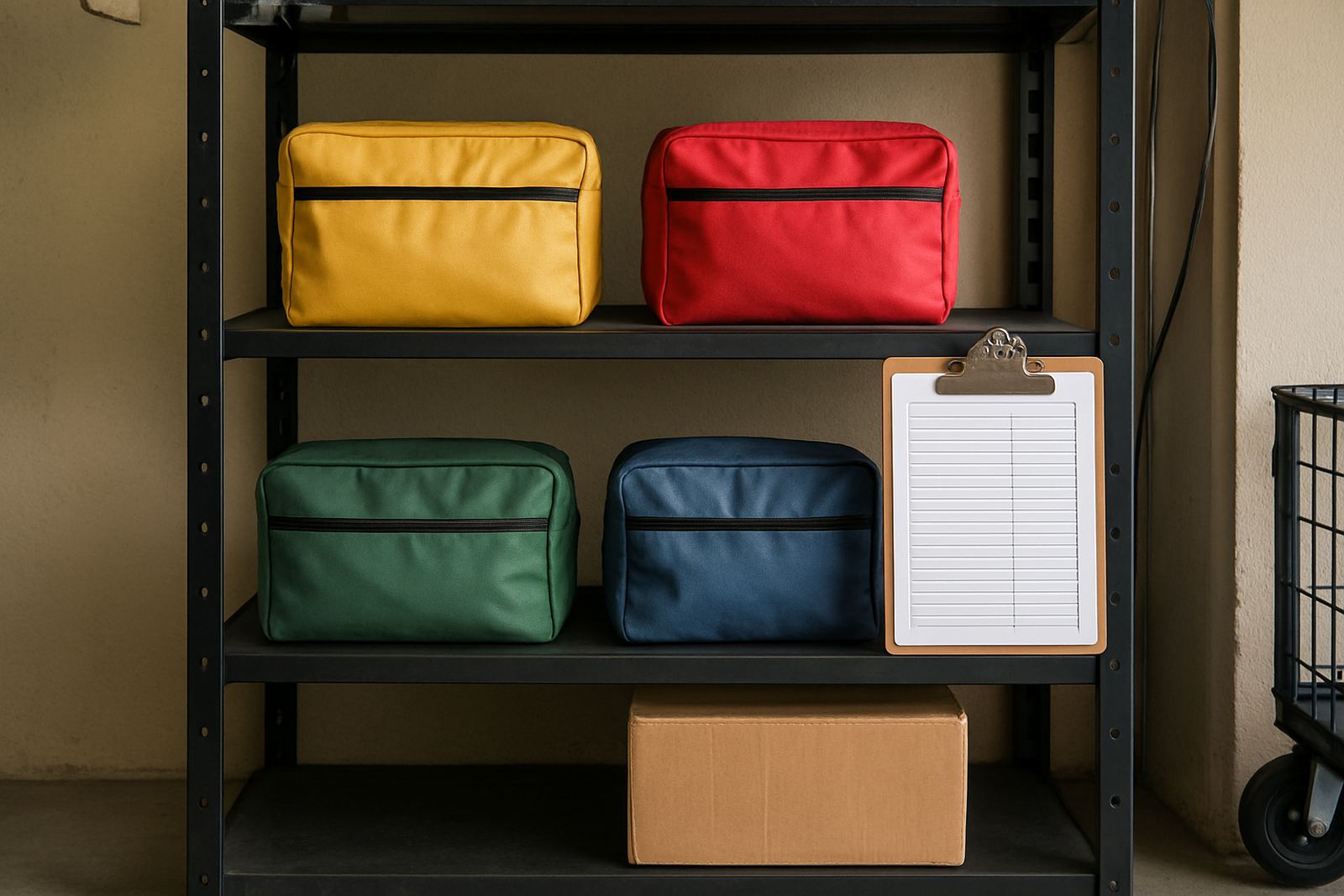
Reception should not have to hunt through storerooms, shared counters, or side offices to find a parcel. Create one marked parcel point close to the front office, with enough space for documents, small boxes and return items. Keep it away from public traffic, tea stations and the main visitor queue so items do not get mixed up.
In a Midrand office park, a simple shelf or trolley next to reception can save real time during peak collections. If your team receives a lot of internal mail or tender packs, separate outgoing items from incoming returns. That way the handover is quick and there is less risk of a wrong bag going with the driver.
- Use one clearly marked area for courier handover only
- Keep a pen, parcel register and label stickers within reach
- Separate outgoing parcels from returns and internal mail
- Store fragile or confidential items behind the counter until pickup
What reception should check before the driver arrives
A good handover starts before the vehicle pulls in. Reception staff should check that the parcel is sealed, the address or reference is visible, and the item matches the booking notes. If a document envelope is going to a court, supplier or branch office, make sure the destination name is written clearly. If it is a small parcel, confirm that the weight and size fit the service booked.
For same-day collections across Gauteng, a few minutes of checking can prevent a failed run or a second trip. This is especially useful for multi-branch businesses sending items between Midrand, Pretoria and Sandton, where more than one department may handle the same load. It also helps courier staff who arrive during a busy changeover and need to collect fast, not ask three people what is ready.
- Confirm the sender name and department
- Check that the parcel is sealed and labelled
- Match the item to the booking reference or instruction sheet
- Tell the driver if the parcel contains documents, returns or priority items
Capture proof without slowing the handover
Proof collection should be part of the handover, not an extra task at the end. Reception can prepare a short register with the date, time, parcel count, destination and the name of the person receiving it. If your office uses internal mail runs or scheduled routes, this record becomes very useful when a branch asks where a consignment went or when a client wants confirmation.
Keep the process short. One signature, one time stamp and one clear name is often enough. If the courier needs a copy of a manifest, have it ready in the same place as the parcel. For confidential documents, let reception verify the seal before signing. That small step gives everyone more confidence, and it saves arguments later if a pack arrives opened or missing pages.
In practical terms, proof reporting works best when the front counter is not rushed. If your team knows the format they use every day, there is less confusion and fewer missed signatures.
How to handle confidential files and time-sensitive items
Not every parcel is the same. Tender submissions, legal papers, contract packs and executive documents need a tighter handover than ordinary office supplies. Reception should ask who prepared the item, who authorised the release, and whether the contents must stay sealed until the driver signs for them. That is especially important in shared buildings where many people move through the foyer.
For these items, use a simple escalation rule. If the parcel is marked urgent, confidential or must be delivered before a deadline, the front counter should alert the relevant person immediately and not leave it sitting in a general outgoing tray. On days when load-shedding affects lifts, access control or basement parking, the extra notice helps the courier coordinate the pickup without wasting minutes at security.
- Keep confidential items in a locked drawer or behind the counter
- Ask for release approval before the parcel leaves reception
- Mark deadlines clearly for tender submissions and event packs
- Tell the driver about access rules, parking limits or security sign-in steps
A Midrand example that shows the difference
A client in Midrand with branches in Johannesburg and Pretoria needed daily document exchange and occasional returns management. Before the process was tightened, the driver often waited while reception looked for a seal label, checked a reference and found the correct signatory. The handover took longer than it should have, and the next collection was pushed back.
After the team set up one parcel point, a register and a quick pre-collection check, the change was immediate. The front counter knew which items were ready, which needed approval, and which were for a later route. Proof was captured on the spot, and the driver moved through the building faster. That small adjustment helped the office stay on schedule even when the parking area was full and visitors were coming and going. It is not complicated, but it does work.
The lesson is simple: good reception handling is part of the logistics chain, not separate from it.
A short handover checklist for busy front-of-house teams
Reception teams do not need a long manual. They need a short routine they can follow under pressure. If the collection process is the same every time, staff can handle morning rushes, late afternoon dispatches and multiple branch pickups without guesswork.
Use this as a daily check before the courier arrives. It keeps the process steady and helps with account management where the same office sends parcels every week.
- Place the parcel at the marked handover point
- Check that the label, destination and reference are visible
- Confirm whether the item is urgent, confidential or a return
- Prepare the register or proof sheet
- Alert security if access or parking is restricted
- Hand over the parcel and capture the signature or time stamp
When reception follows the same steps every day, same-day courier arrivals become easier to manage. The driver gets back on the road sooner, the office has cleaner proof records, and the handover feels organised instead of rushed.