
The biggest delay starts before the parcel leaves the sender
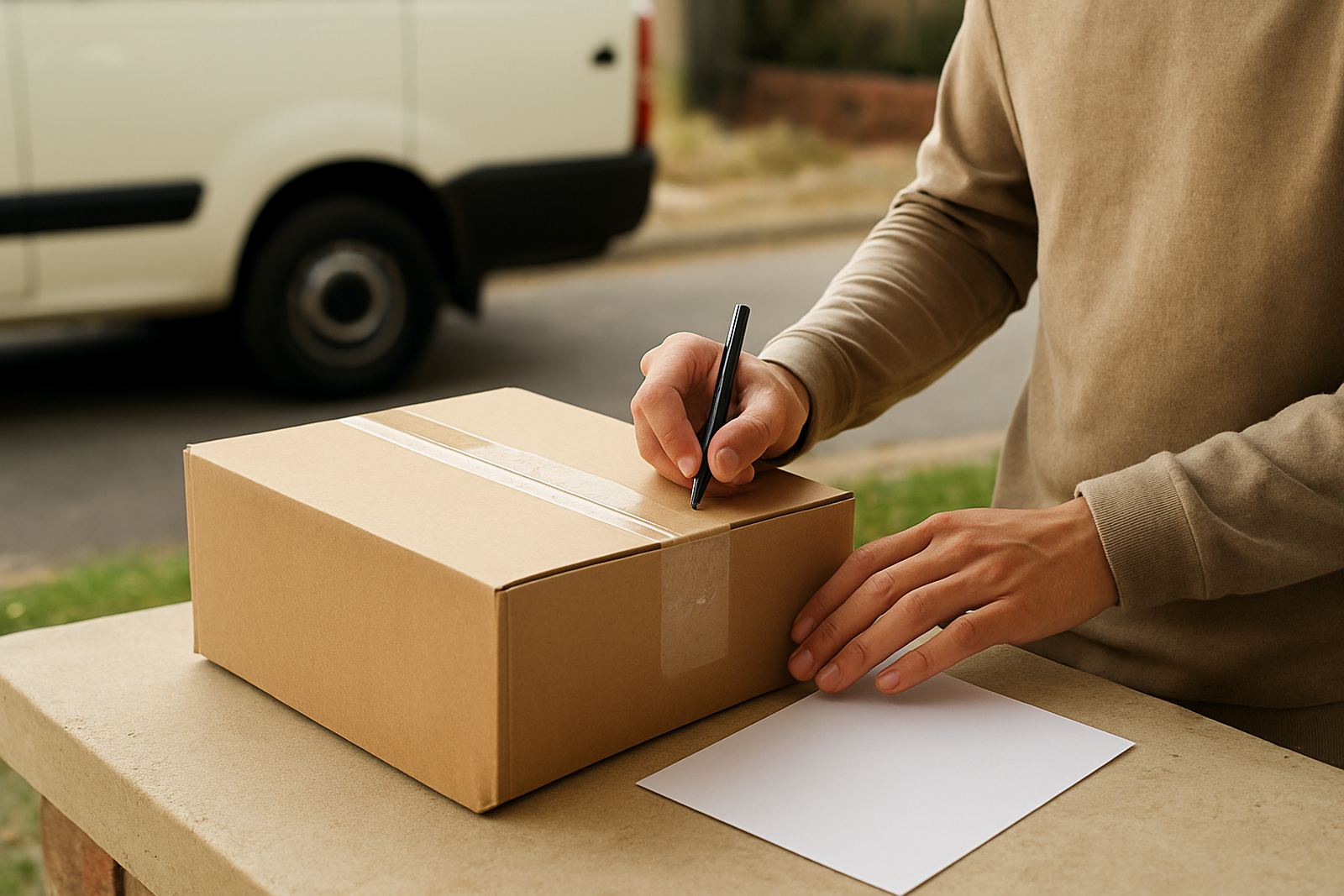
Most late deliveries do not start with traffic, they start with a poor handover. If the item is not ready when the driver arrives, the whole run shifts. That includes missing paperwork, no one available to sign, the wrong floor number, or a parcel that still needs to be sealed and labelled. In Midrand, where many businesses move between offices, warehouses and home-based staff, this happens more often than people think.
For document runs and small parcels, speed depends on clear instructions. A courier can only keep a same-day slot if the sender gives the correct collection point, contact name, access details and delivery instruction from the start. One missing detail can add 20 minutes or more, and on a busy day that is enough to throw off the next collection too.
- Have the parcel packed, sealed and labelled before booking
- Keep the recipient name and contact person exact
- Include gate codes, security rules and parking notes
- Tell the courier if the item needs a signature or proof of delivery
Traffic, roadworks and weather still matter more than people expect
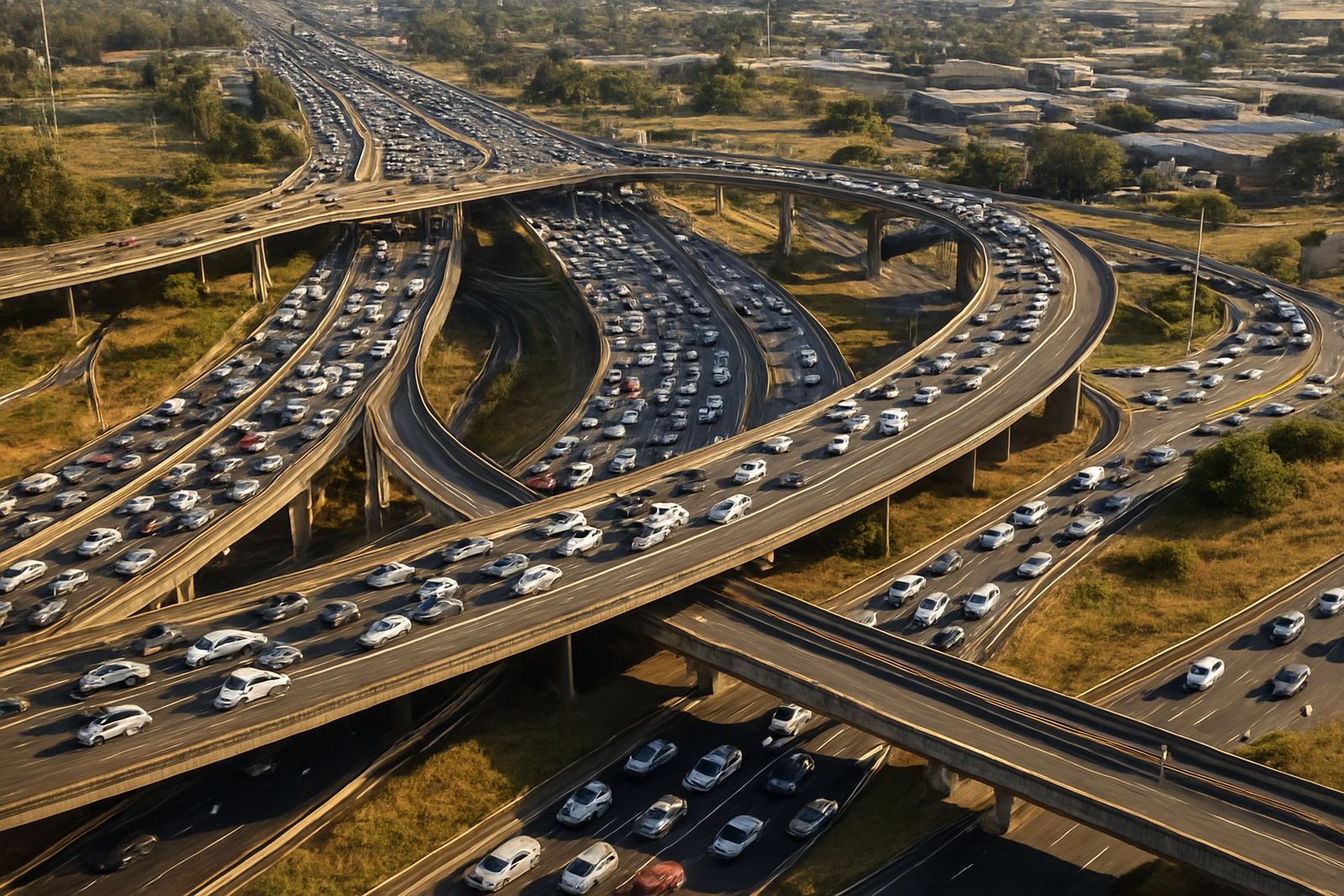
Even a well-planned route can slow down when the roads do. Gauteng peak traffic around Sandton, Midrand and Pretoria is a common cause of delay, especially when the collection is booked late morning and the delivery window is tight. In Durban, heavy rain and slippery roads can reduce average travel time in a way clients often under estimate. In Cape Town, wind, congestion near the CBD and unpredictable access around the foreshore or harbour areas can change a route quickly.
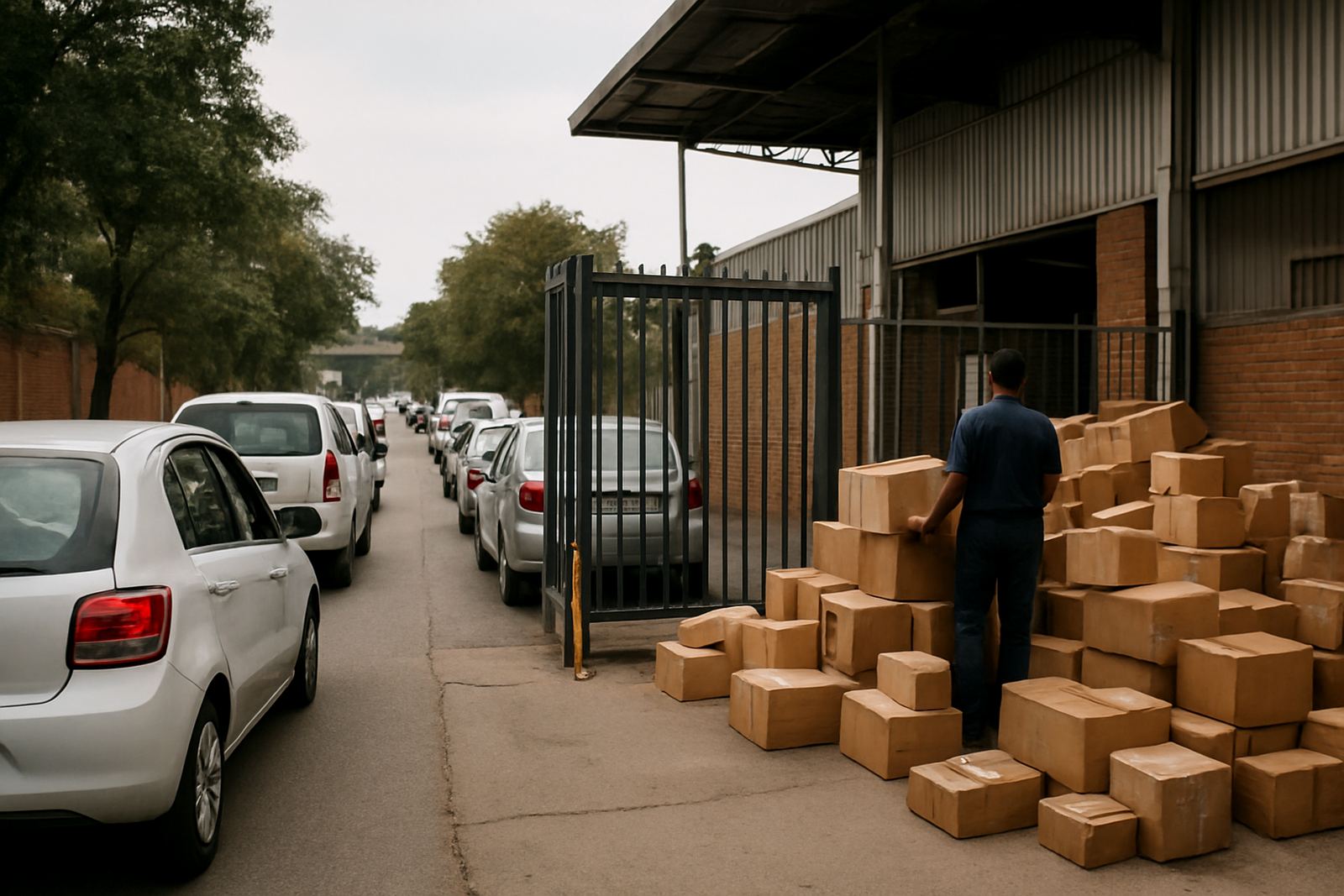
Weather is not the only issue. Roadworks, accident scenes, load-shedding at buildings with access control, and municipal events can all add waiting time. A driver might be on time at street level but still lose 15 minutes at a security gate or office reception that is running on backup power. That is not a courier fault, but it still affects the clock.
- Book earlier if the delivery crosses a rush-hour corridor
- Allow extra time during rain, wind or storm warnings
- Use a realistic delivery window for CBD, industrial and coastal routes
- Avoid last-minute bookings for time-sensitive tenders or court documents
A good rule is to build in a buffer, even when the route looks short on a map. Ten kilometres through the right congestion can take longer than 40 kilometres on open roads.
Access problems at the pickup or drop-off point
A courier can be parked outside and still not move the job forward. Security checks, visitor logs, loading bay rules, high-rise lifts and restricted entry times all cause delay. In office parks around Midrand and Randburg, some buildings only allow deliveries at certain reception points. In industrial areas, a driver may need a delivery note, a booking reference or a safety induction before entering.
At drop-off points, the issue is often the receiver. If the person who must sign is in a meeting, on site, or travelling between branches, the parcel waits. That matters for internal mail runs and multi-branch support where one delayed handover can affect several offices in a day.
To reduce that risk, the sender should check that the receiver knows the parcel is coming and is actually available. It sounds basic, but it saves time and a fair bit of frustration.
Booking too late makes the whole schedule tighter
Same-day courier work needs margin. If a booking comes in after midday and must still reach Durban or Cape Town that day, there is much less room for traffic, collections and handovers. The same applies inside Gauteng when several stops are stacked back to back. A route that starts late is harder to recover if anything goes wrong.
Late bookings also limit the option to combine jobs properly. With scheduled routes and daily collections, a courier can group nearby stops and reduce wasted travel. When every request is urgent and arrives at the last minute, the team has to split runs or reshuffle drivers, which can push one delivery later than planned.
- Place recurring jobs on a scheduled route rather than booking each one separately
- Send batch collections as early in the day as possible
- Flag urgent items clearly so they are not mixed with routine returns
- Use priority bookings only when the timeline really needs it
For businesses with branch-to-branch movement, a standing account and set collection pattern usually performs better than ad hoc requests. The process is simpler and the timing is easier to control.
The item itself can slow everything down
Small parcels still cause problems when they are badly packed. A document envelope that tears, a box with loose contents, or an item with no visible label can slow sorting and increase the risk of a return trip. In humid coastal areas, paper can soften and sealing tape can lift if the parcel is not prepared properly. That may sound minor, but on a busy day it is enough to cause a hold-up.
Size also matters. A job described as a small parcel may turn out to be awkward to carry, too heavy for one person, or not suitable for a standard vehicle load. That can mean a change in vehicle type or a second trip, especially if the delivery includes more than one branch stop.
Clear packing saves time and protects the contents too. If the item is tender submissions, confidential papers or proof-sensitive documents, it should be sealed, addressed and ready before the vehicle arrives.
How to reduce delays without paying for panic
Most courier delays can be reduced with better preparation, better communication and the right service choice. Not every job needs an emergency callout. Some need a dedicated courier, while others fit neatly into scheduled routes or daily collections. The trick is matching the service to the real urgency.
Good planning also helps when a business moves items between offices in Johannesburg, Sandton, Pretoria, Durban or Cape Town. If internal mail runs, account management and proof reporting are set up properly, there is less back-and-forth and fewer missed handovers. That gives the dispatch team more control and the client more certainty.
- Prepare the parcel before the booking is placed
- Share full collection and delivery details, including access notes
- Choose the right service for the time available
- Keep regular routes and returns on a fixed pattern where possible
- Ask for proof reporting when the item is compliance-related or time-sensitive
When everyone treats the first five minutes properly, the rest of the trip goes much smoother. In courier work, the small details are what keep a same-day job on time.
A Midrand example: one missed detail can set the day back
Say a legal firm in Midrand needs documents delivered to Sandton before 4 pm, then a signed return moved on to Pretoria the same afternoon. The file is ready, but the receiving office has changed floors and the recipient is in a meeting. The driver waits, the handover slips, and the second leg starts late. By the time the return trip is added, traffic on the N1 has already built up. What looked like a simple two-stop run has become a tight recovery job.
This is why delay prevention matters more than apology after the fact. A precise booking, a reachable contact and a realistic cut-off time can turn a risky run into a manageable one. It also helps dispatch plan around load-shedding, security gates and peak road times instead of chasing them after the fact.
For businesses that rely on same-day movement, the aim is not perfection. It is fewer surprises, fewer repeat trips and better timing from collection to proof of delivery.