











How to choose the right same-day courier option
Not every consignment needs the same service. A signed contract going from Midrand to Sandton is handled differently from tender documents moving between offices in Pretoria and Johannesburg, and a parcel for Durban or Cape Town needs a booking that suits the day’s route plan. The best option depends on urgency, how many stops are involved, and whether the item must go direct or can move on a scheduled run.
Use a dedicated courier when timing is tight or the item is sensitive. Use scheduled routes for regular collections between branches, suppliers or clients. For daily office movement, internal mail runs and document exchange are often the most cost-effective choice because the route is planned in advance and the handover points are known.
Preparing documents so they arrive in good order
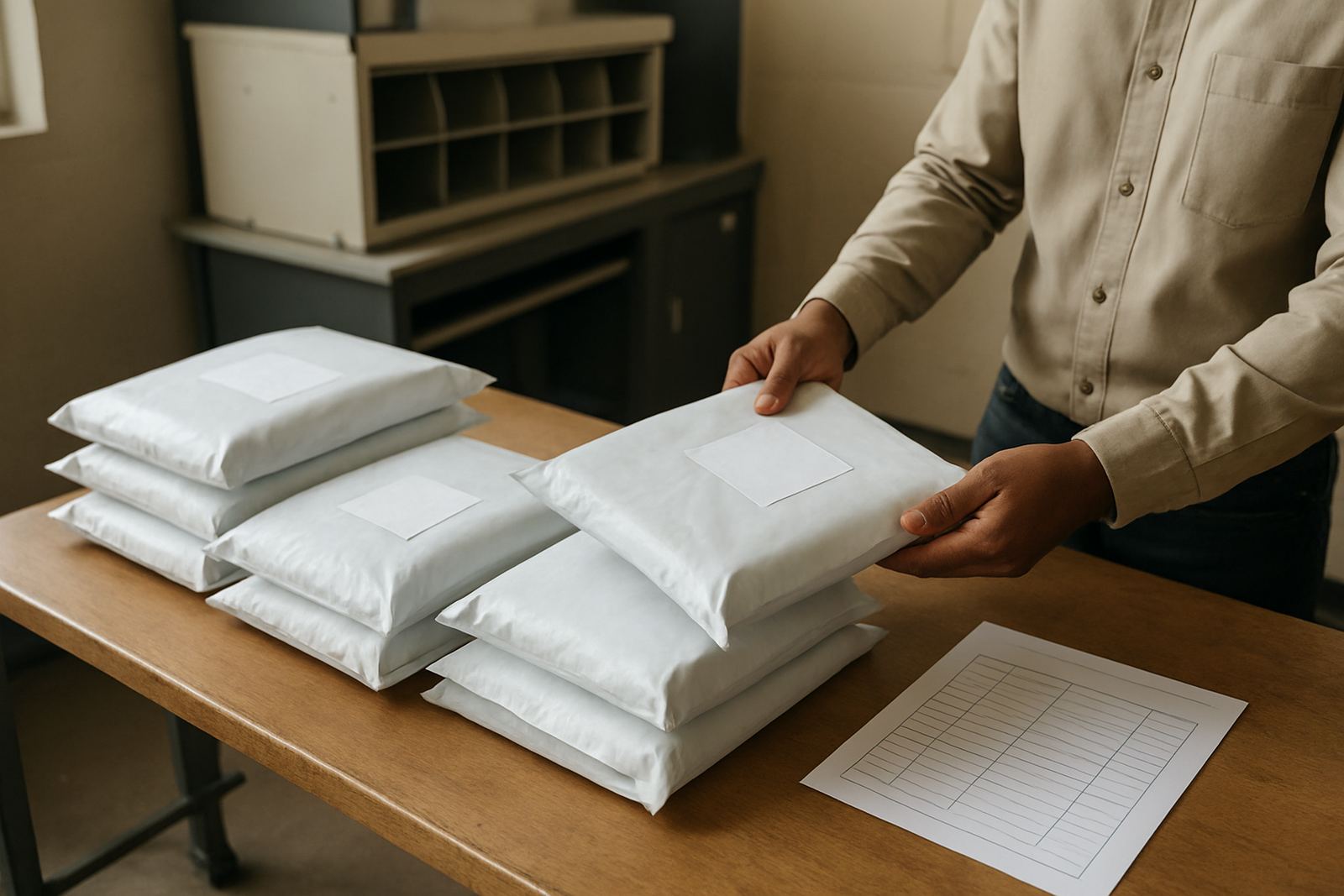
Documents should be flat, clearly labelled and protected from rain, dust and folding. In Gauteng, a lot of collections happen in office parks with security gates, visitor logs and short loading windows, so it helps if the package is ready before the vehicle arrives. If a set must stay confidential, seal it properly and mark the recipient and site name clearly.
- Use a sturdy envelope or document sleeve that will not tear in transit.
- Keep originals and copies separate where required.
- Label the sender, recipient, collection point and delivery point.
- Remove loose pages, clips and anything that can snag.
- For court, tender or compliance papers, keep the sequence in order.
Packing small parcels for local and metro runs
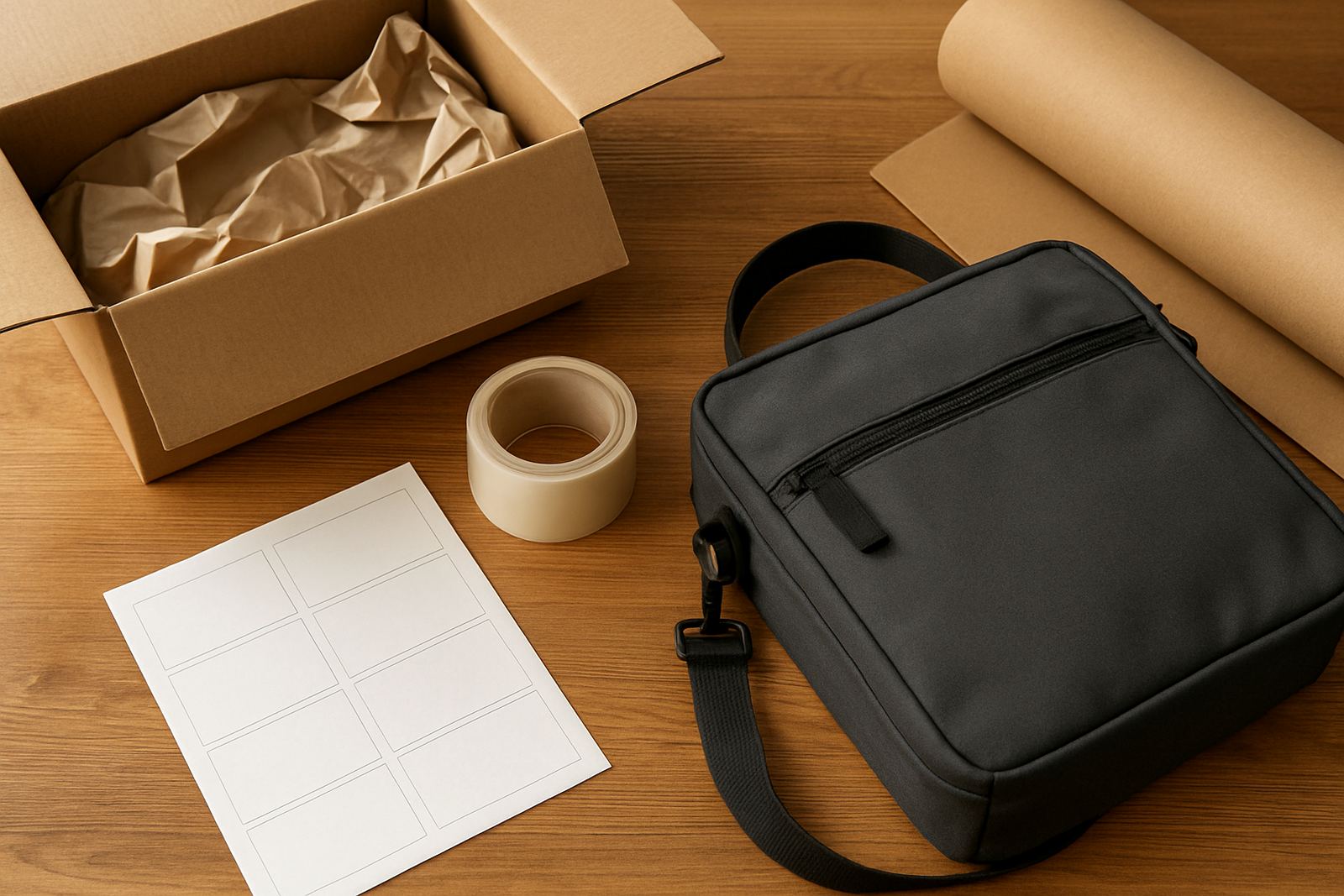
Small parcels need enough protection for repeated handling, especially when they move through busy metro hubs or are handed over across branches. Wrap fragile items inside the box, block movement with padding and close the outer packaging securely. If the parcel contains liquid, electronics or breakables, let the team know at booking so the correct handling can be planned.
Load-shedding, humid coastal conditions and summer rain can all affect the condition of a parcel. A good outer wrap and clear marking reduce the chance of damage, and it helps if the item is ready for collection with no loose tape ends or weak corners.
When to book daily collections versus a dedicated run
Daily collections suit businesses that send items at the same time each day. They work well for law firms, finance teams, logistics counters and admin offices that move files, small boxes or internal mail. If you need regular movement between Midrand and Sandton, or between Randburg and Pretoria, a set schedule keeps things predictable.
A dedicated run makes more sense when the item must leave immediately, when there is a single high-priority delivery, or when the collection point and delivery point are far apart. It also helps when a sender has a narrow handover window, such as a supplier close by a municipal office, a same-day tender drop, or a time-sensitive client sign-off.
- Choose daily collections for repeat sending and steady volumes.
- Choose a dedicated courier for urgent items and single-drop jobs.
- Choose scheduled routes for regular branch-to-branch movement.
- Choose priority bookings when timing matters more than route efficiency.
What businesses should set up before the first booking
Businesses that send often save time by setting up clear contact names, collection points and approval steps from the start. That matters when more than one person can release a parcel or sign for a document. It also helps when a company has multiple sites across Gauteng, Durban or Cape Town and needs one process for all of them.
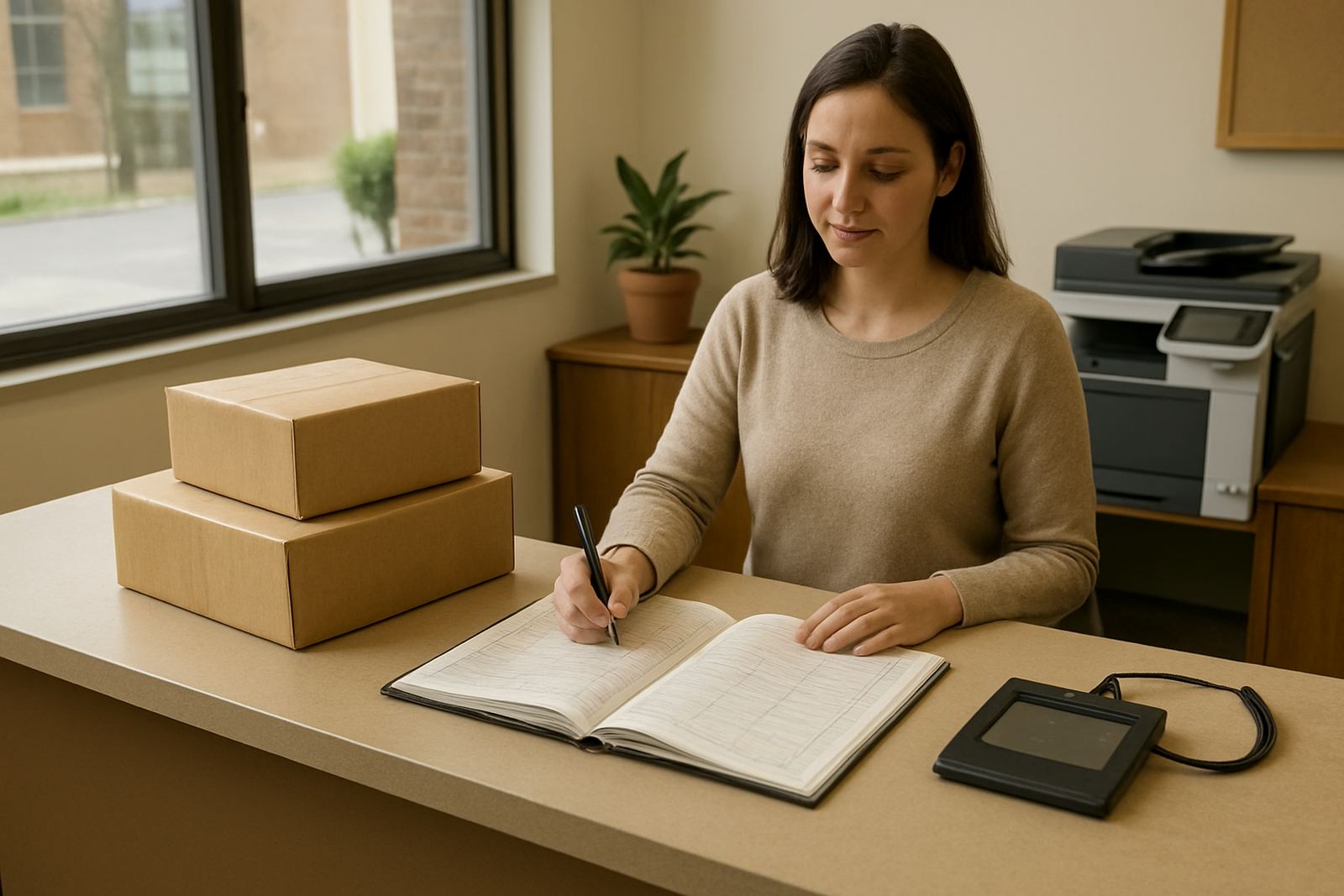
Account management is useful where there are repeat sends, returns handling or proof reporting needs. It keeps the flow of movement consistent and makes it easier to track what left, what arrived and who signed for it. A well-run process also reduces delays at reception, which is useful when the team is working through load-shedding or short staffing.
How to plan for proof, returns and multi-branch movement
Proof reporting is valuable when the sender needs confirmation after delivery, especially for contracts, samples, compliance packs and internal records. Returns management matters when items must come back to base after a meeting, event or client visit. For companies with multiple branches, a single courier partner can simplify movement between sites without creating extra admin.
If you are moving items between Johannesburg, Pretoria, East Rand, Durban or Cape Town, keep each leg simple: one sender, one recipient, one clear instruction. That reduces confusion at handover and makes it easier to trace the item if someone needs to follow up later.
Getting ready for pickup on the day
Before collection, make sure the item is accessible, correctly labelled and handed to the right person. If the building has security controls, tell reception to expect the driver. If there are special instructions for parking, loading bays or access cards, share them early. That helps the run stay on time and avoids back-and-forth at the gate.
For clients in Midrand and surrounding areas, same-day service works best when the item is ready the moment the driver arrives. A few minutes saved at collection can make the difference between an on-time delivery and a missed slot, especially when traffic builds on the N1, M1 or route into the metro hubs.