
Start With the Right Item Check
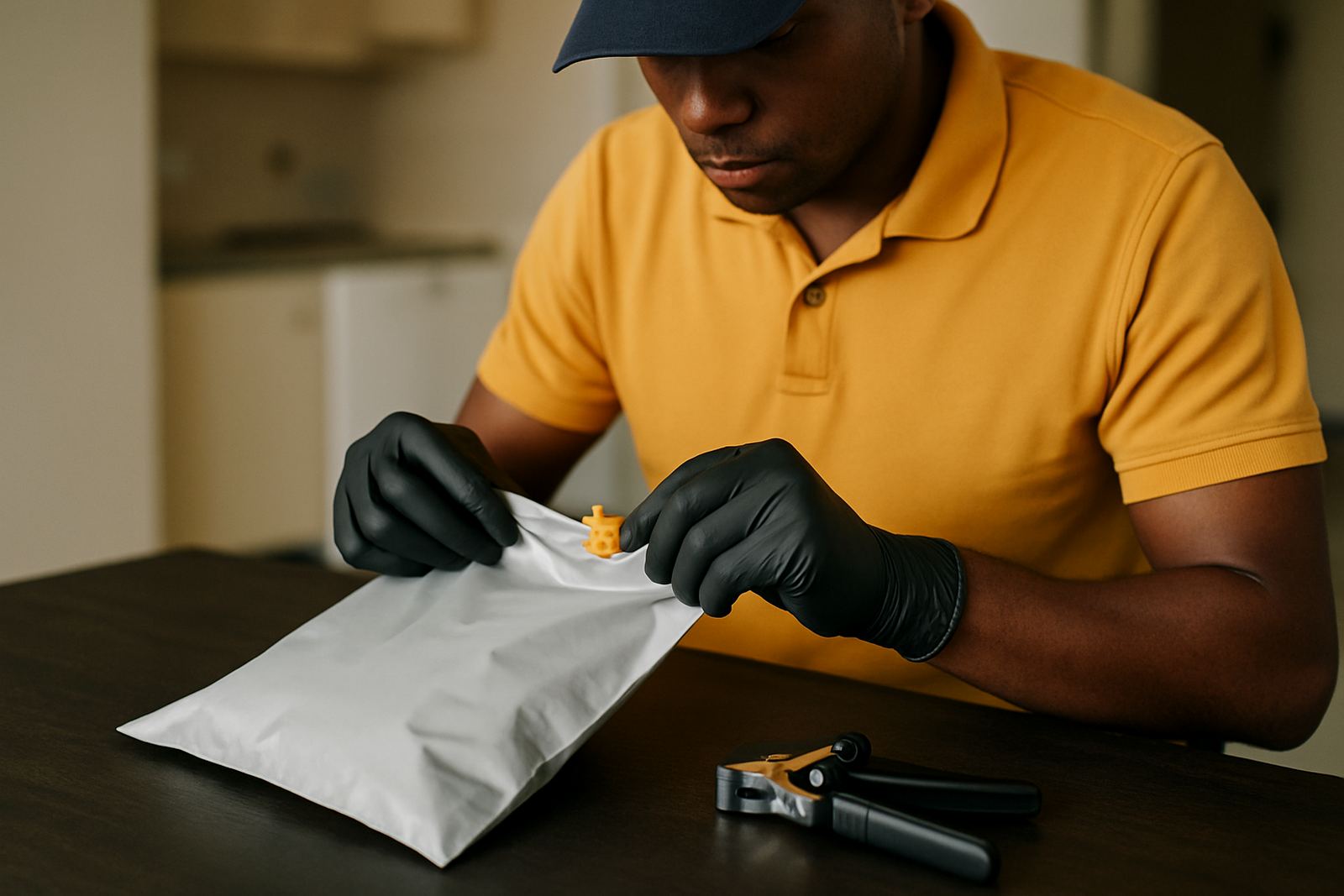
Before a parcel leaves Midrand or any branch area, check exactly what is going inside the pack. Fragile items on urban runs are often small, but they can still break if they are loose, overpacked or allowed to move around. Glass samples, medication packs, electronic parts, badges, promotional items and sealed presentation packs all need different handling. If an item has sharp corners, a liquid component or a delicate finish, treat it as fragile from the start.
Ask yourself three things: does it crush easily, scratch easily or shift inside the box? If the answer is yes to any of these, it needs inner protection and a stable outer carton. On same-day routes, packages may be loaded more than once, especially on multi-stop collections in Johannesburg, Sandton, Randburg and Pretoria. Good packing reduces risk at every handover.
Pack Small Delicates So They Do Not Move
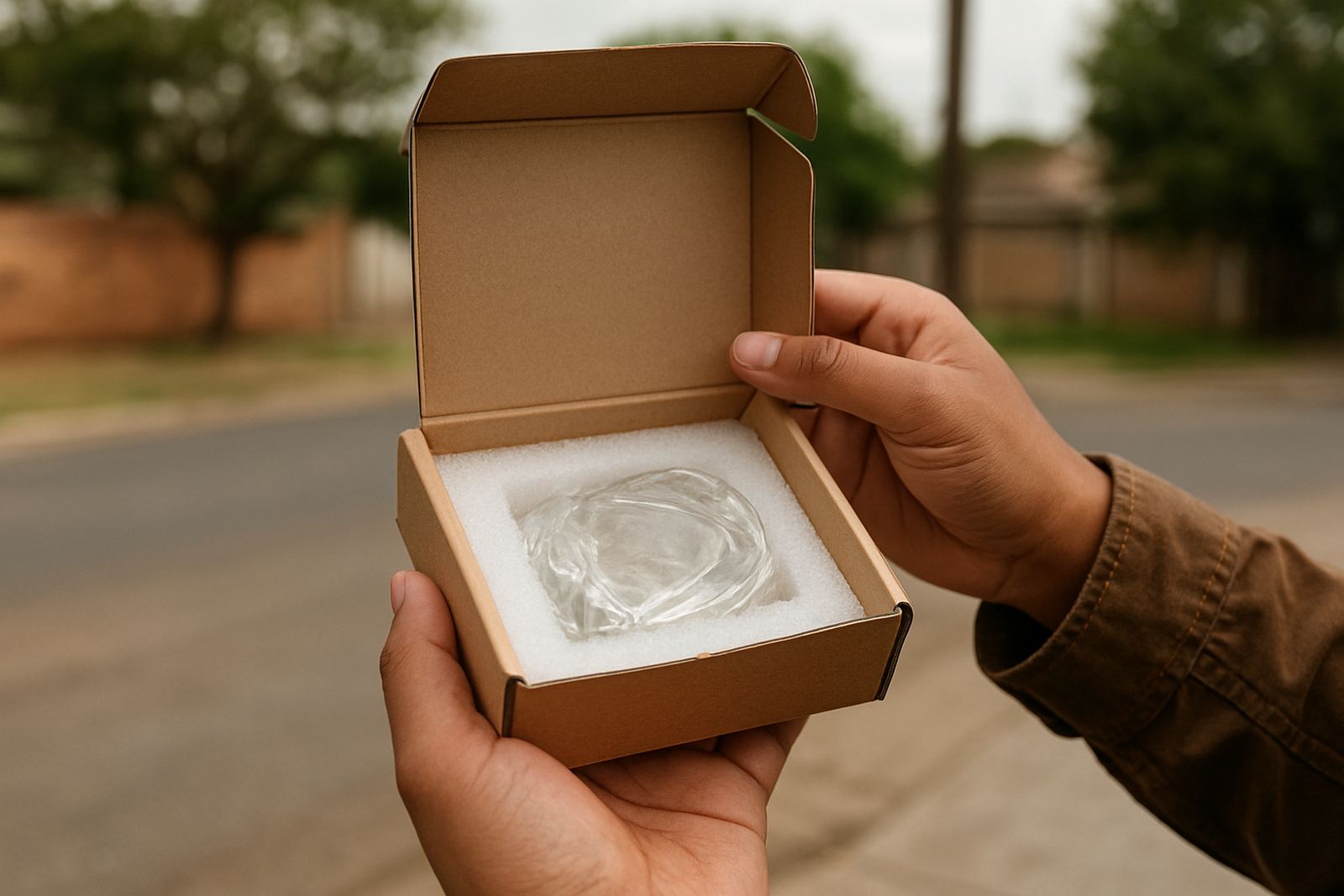
The main goal is simple: stop movement inside the parcel. Use a box that fits the item closely, then fill every gap with suitable cushioning. Air pockets are useful for light goods, but for heavier small items use layered paper, foam sheets or moulded inserts. Do not let the item rattle when you shake the box gently. If it moves, add more protection.
- Wrap each item individually, even if it is already boxed.
- Keep fragile items separate from paperwork, keys or metal parts.
- Use a rigid outer box, not a soft bag or thin envelope.
- Seal all seams with good tape, including the bottom flap.
- Double-box anything that can crack, chip or leak.
For items with glass or polished surfaces, place a soft layer between the item and the outside carton. In humid coastal areas like Durban, choose packaging that will not soften or collapse if the parcel waits briefly in a vehicle. In dry heat or strong summer sun, tape can also lose grip, so check each seal carefull before dispatch.
Label Clearly for A-to-B Courier Handling
Clear labels make a difference on busy metro routes. Mark the parcel with the destination name, contact person, collection point and any handling instruction that matters. A short note such as Fragile, This Side Up or Keep Dry helps the dispatcher and driver read the parcel quickly during loading. Keep the wording large and simple. Do not cover the label with tape or place it over a seam where it can lift.
If the parcel contains multiple small items, number the boxes. For example, Box 1 of 3, Box 2 of 3 and Box 3 of 3. This is useful for scheduled routes, tender submissions and internal mail runs where one missing box can cause delays at the receiving side. When items move between Gauteng and metro hubs in Durban or Cape Town, a clear label reduces confusion at handover points and makes proof reporting easier.
Match the Packaging to the Route
Not every route is the same. A single drop in Midrand is different from a circuit of Sandton, East Rand and Pretoria, where parcels are handled more often and travel time varies with traffic. For same-day work, use packaging that can stand up to repeated lifting, quick transfers and stop-start driving. A parcel that is fine on a smooth office delivery may need extra padding on a multi-collection run through busy industrial areas or CBD access roads.
Think about the weather too. Coastal humidity in Durban can affect paper sleeves, printed labels and adhesive tape. In Cape Town, wind can be an issue at loading points, especially if items are being carried from vehicle to building over short distances. In Gauteng, load-shedding can slow security access, lift operations and after-hours collection counters, so your packaging should be ready to wait without opening or slipping open.
- Use waterproof outer wrap if the item must pass through rain or damp loading bays.
- Choose stronger tape for overnight holdover or return movement.
- Protect corners where parcels may be stacked on top of each other.
- For high-value small items, ask for dedicated courier handling.
Prepare the Sender Side Before Collection
A smooth handover starts before the driver arrives. Keep the parcel in one place, with the label visible and any supporting paperwork ready. If there are several fragile parcels, line them up in the order they need to go out. That saves time for the collection team and helps avoid mix-ups when multiple branches are involved. For businesses with daily collections, the packing area should have tape, scissors, markers and spare cartons close at hand.
If the item is leaving from a reception or security point, tell the staff member what needs care and what must not be stacked on top. If there are any special requirements, mention them early. For example, some items must remain upright, some should not be exposed to heat, and some need immediate delivery to a specific department. The clearer the handover, the lower the risk of damage or delay.
Use a Practical Pre-Dispatch Checklist
A quick checklist helps keep fragile items consistent from one run to the next. It is especially useful when different people prepare parcels across branches in Johannesburg, Randburg, Pretoria or Sandton. A checklist also supports returns management and proof reporting because the condition of the parcel can be checked before it leaves and again on delivery.
- Item wrapped and secured inside the box.
- No loose movement when the box is gently shaken.
- All seams taped and corners reinforced.
- Destination label clear and easy to read.
- Any fragile or upright note visible.
- Supporting documents packed separately, if required.
- Sender and recipient details confirmed.
- Photo or dispatch record captured where needed.
This kind of preparation is useful for event logistics, client account work and tender submissions too. When items are packed properly, the courier can focus on timing and route control instead of sorting out preventable damage at the roadside or in a busy loading area.
What to Do if the Item Is Extra Sensitive
Some items need more than standard wrapping. Thin glass, lab samples, cosmetic samples, prototype pieces and fitted promotional items may need dedicated courier booking, separate packing and direct delivery with no extra stops. If the item cannot tolerate vibration, pressure or short delays, say so when booking. That allows the operations team to plan the run properly and assign the right vehicle.
For very sensitive freight, use inner padding, outer padding and clear instruction notes. Keep the parcel small and square if possible, because odd shapes are harder to stack safely. When in doubt, overpack rather than underpack. It is easier to remove a little excess packaging than explain a cracked item on arrival. A-Two’s same-day teams handle these details across metro routes with steady communication, so the item gets from A to B with less fuss.