
Start With the Right Parcel Size and Weight
The first step is matching the parcel to the item, not forcing the item into whatever box is lying around. A small parcel should move easily through sorting, fit neatly on a courier shelf, and stay stable when it is loaded and unloaded several times. If the contents rattle, the pack is too loose. If the sides bow, it is too tight.
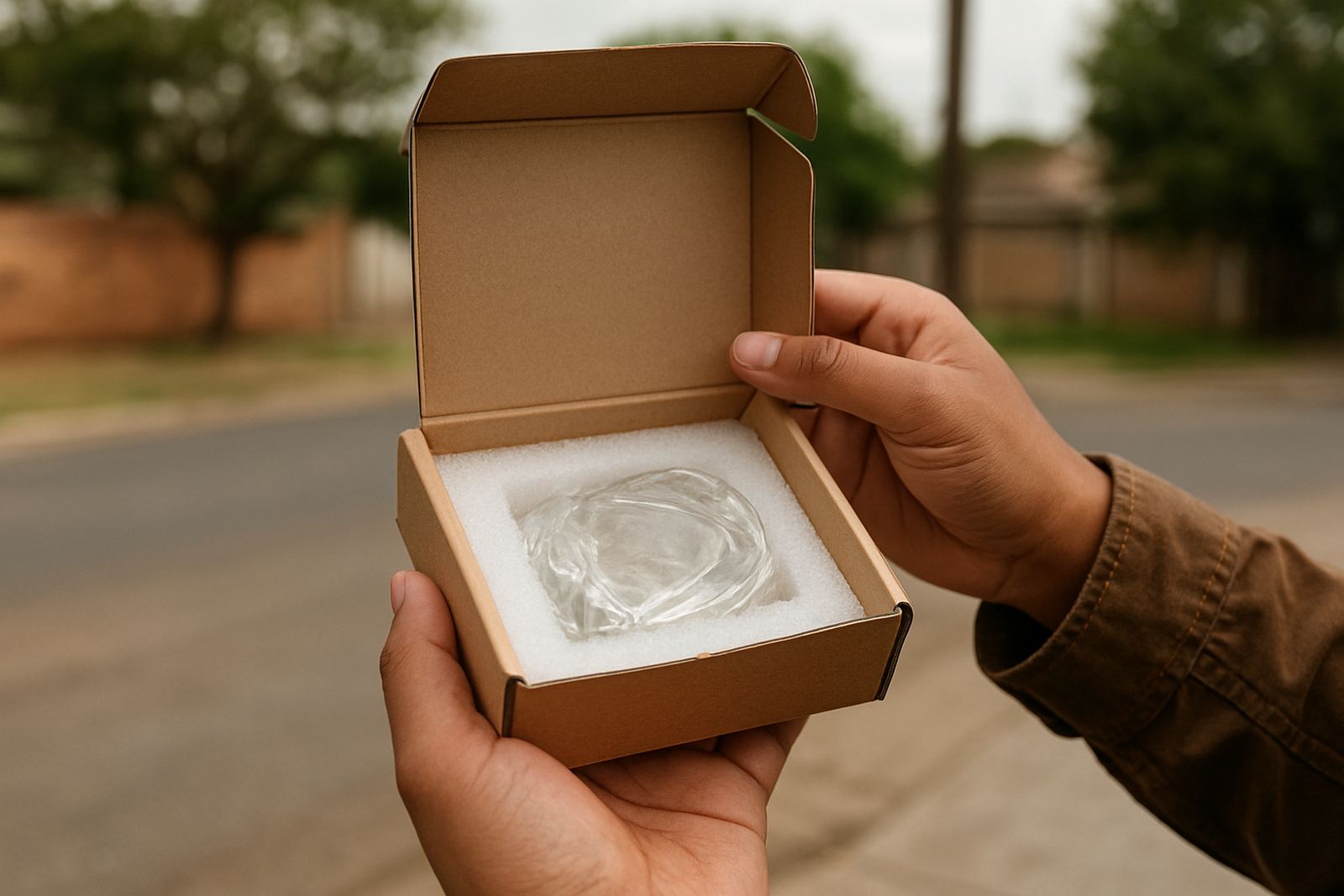
For documents, slim retail stock, samples, phone accessories, books, or small parts, choose a box or padded mailer that leaves a little room for cushioning but not so much space that the item slides about. In busy Gauteng traffic, parcels can spend time in the vehicle, especially between Midrand, Sandton, Randburg and Pretoria, so the pack needs to hold shape from collection to delivery.
- Pick a carton or mailer that is slightly larger than the item, not more than 3 to 5 cm extra on each side.
- Keep the parcel under the size and weight limit agreed at booking for same-day courier runs.
- Use a box that closes flat without bulging at the flaps.
- If the item is fragile or uneven, choose a stronger outer carton instead of a thin sleeve.
Use Cushioning That Stops Movement, Not Just Damage
Cushioning should stop the contents from shifting inside the parcel. That is the main aim. Wrapping paper alone is not enough for fragile items, and loose space around the product is a problem even if the outside box looks tidy. A proper fit matters more than using a lot of material.
For compact parcels, bubble wrap, kraft paper, foam sheets, air pockets, and folded corrugated inserts are all useful when chosen for the item. In humid areas like Durban, make sure the product is packed dry before sealing. In hot or dusty conditions, especially on regional routes, use clean inner packing so the contents do not pick up grit or moisture.
- Wrap fragile items individually before placing them in the outer carton.
- Fill empty spaces so the item cannot move when shaken gently.
- Separate hard edges from other contents with cardboard or foam.
- Do a quick shake test before sealing. If you hear movement, add more filler.
Seal the Box So It Survives the Full Trip
Small parcels get handled more than people expect. They are lifted into vehicles, stacked, shifted during route changes, and sometimes delivered after a full day of same-day movement. A weak seal can open at the seams, especially if the parcel is reused too many times or the tape is too light.
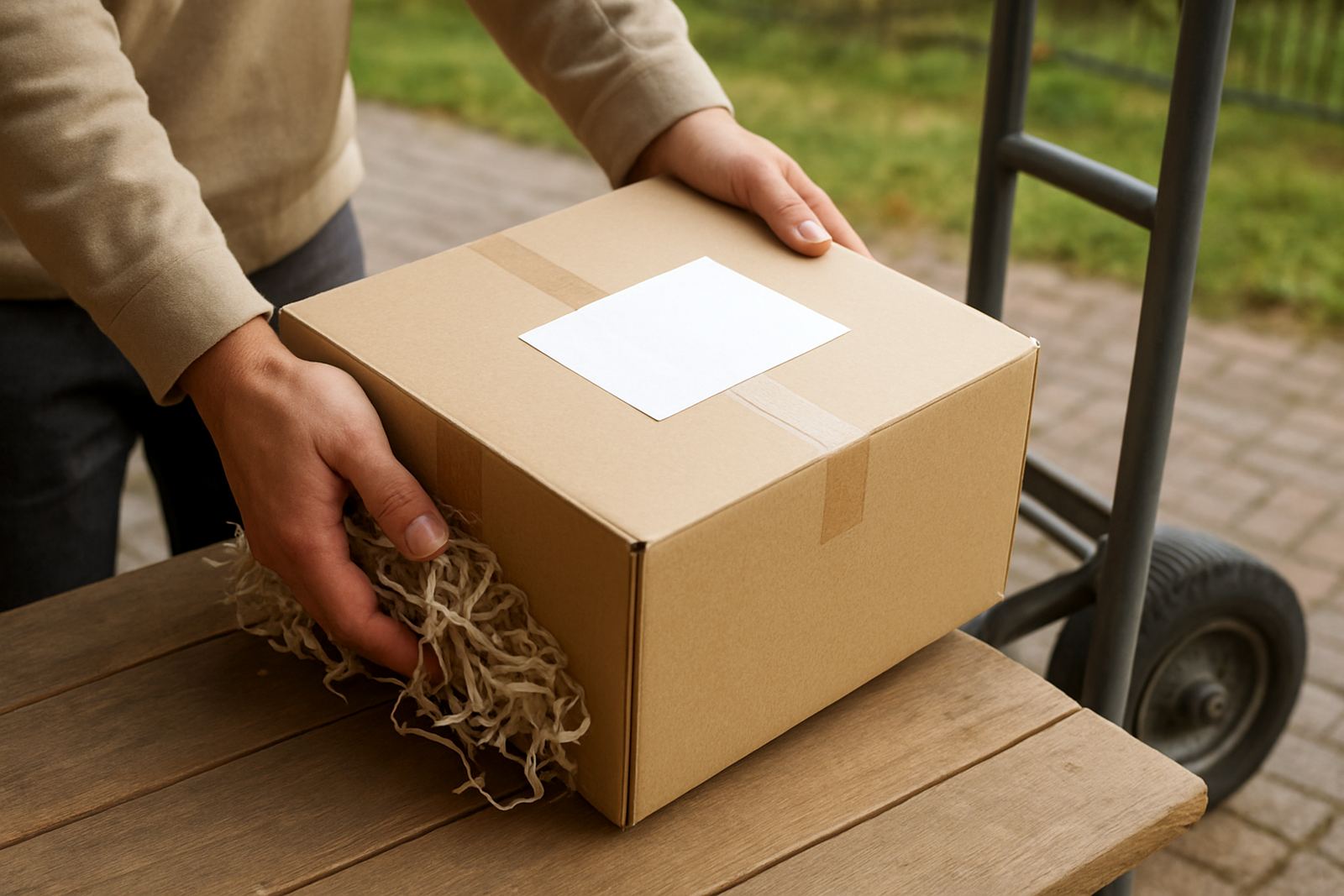
Use good packing tape on every main opening and reinforce the base if the parcel is heavier than it looks. Do not rely on stapling, string, or decorative wrapping to keep a parcel closed. If a box has been used before, check that the flaps are still firm and that the corners have not softened. Damaged cartons are a poor choice for priority bookings.
- Seal all top and bottom seams with proper tape, not small patches only.
- Use extra tape on the base for items with weight concentrated in one area.
- Cover old labels and barcodes on reused cartons.
- Avoid over-taping where labels need to stay visible and easy to scan or read.
Label Clearly for Fast Sorting and Accurate Delivery
A clear label helps the parcel move without delay. Handwritten labels are fine if they are neat, but they must be easy to read in low light, in a moving vehicle, or at a busy receiving bay. For business parcels, include the full contact person, suburb, building name if needed, and any delivery instruction that helps the driver find the right place the first time.
If the parcel is going to a branch, office park, warehouse, or event venue, add the exact gate, floor, suite or bay number where relevant. In Pretoria, Sandton, Midrand and the East Rand, many sites have security check-in points, so precise instructions save time. For Cape Town and Durban metro runs, building access times and loading bay rules can also make a difference.
- Write the recipient name, business name, suburb, and contact person clearly.
- Use a bold label on the top of the parcel, not only on one side.
- Mark fragile items plainly if the contents need careful handling.
- Remove or cover old delivery labels before dispatch.
Prepare Documents, Returns and Multi-Parcel Runs
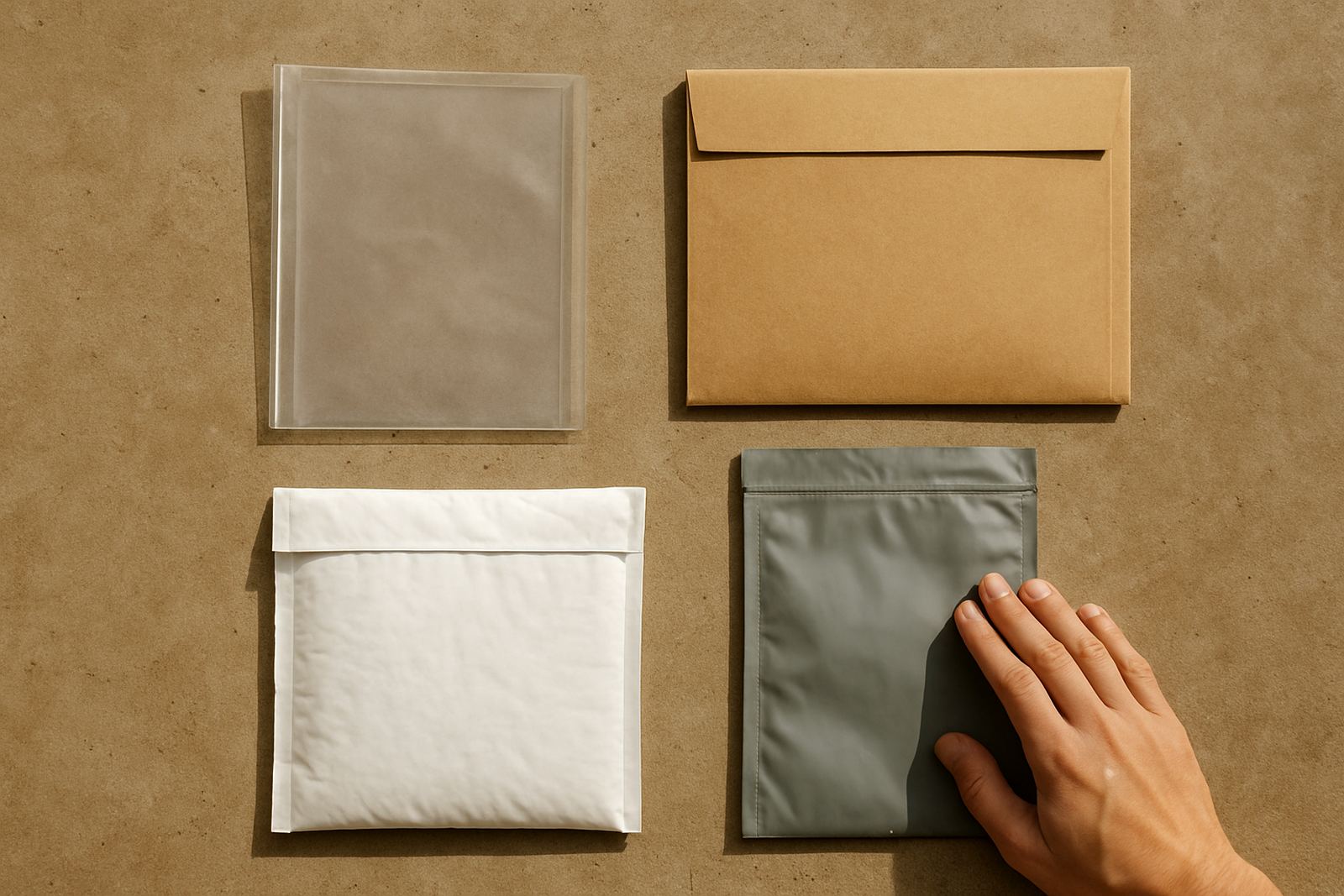
Small parcels are often sent with paperwork, samples, return items, or replacement stock. Keep the contents organised so the driver can collect and deliver without confusion. If a parcel contains documents, protect them in a flat sleeve or waterproof envelope first. If it is part of a return, include the return note, reference number, and any internal receiving details.
For businesses using scheduled routes, internal mail runs, or multi-branch support, standardising the pack makes a real difference. Staff at the Midrand base can plan collection points more easily when the parcel type, count, and destination are listed properly. That helps on daily collections, tender submissions, event logistics and priority bookings where timing matters and there is not much room for error.
- Separate documents from goods if they need different handling.
- Include a returns slip or reference inside the parcel if required.
- List the number of parcels in the booking when sending more than one item.
- Keep company stock, samples, and personal parcels clearly marked so the receiving team can sort them fast.
Do a Final Check Before You Hand It Over
Before collection, take 60 seconds to check the parcel from top to bottom. This small habit prevents delays, damaged contents, and awkward delivery calls later in the day. It also helps when load-shedding has affected office lighting and the pack has been prepared in a rush. A tidy final check is worth it.
Ask yourself whether the contents can move, whether the box is sealed, and whether the address is readable from arm’s length. If the parcel is travelling on a same-day run, it should be ready to go immediately when collected. There should be no loose parts, no unclear labels, and no missing instruction for the receiver. Simple packing saves time for everyone.
- Check that the box is closed, taped, and not bulging.
- Confirm the label is legible and fixed securely.
- Make sure the contents match the booking details.
- Keep any proof or reference note ready for account and reporting purposes.
When to Book a Dedicated Courier for a Small Parcel
Most compact parcels can move on a standard same-day run, but some items need a dedicated courier. Use that option when the parcel is urgent, sensitive, or tied to a fixed handover time. It is also useful when the delivery window is tight, the destination is split across multiple sites, or the parcel must not be mixed with other stops.
At A-Two, our team handles same-day courier services from Midrand across Gauteng and metro hubs in Durban and Cape Town. If you need a one-off parcel moved quickly or a regular collection pattern for your business, the enquiry form on our contact page is the easiest way to request help. We work with clear instructions, practical packing standards and proper proof reporting, so the parcel gets where it needs to go without fuss.
- Choose dedicated service for urgent contracts, sensitive items, or strict delivery times.
- Use scheduled routes for repeat small parcel movement between branches.
- Ask for account management if your team sends parcels regularly.
- Keep a simple packing standard across the office so every parcel is ready the same way.