
Start with the document type and the journey ahead
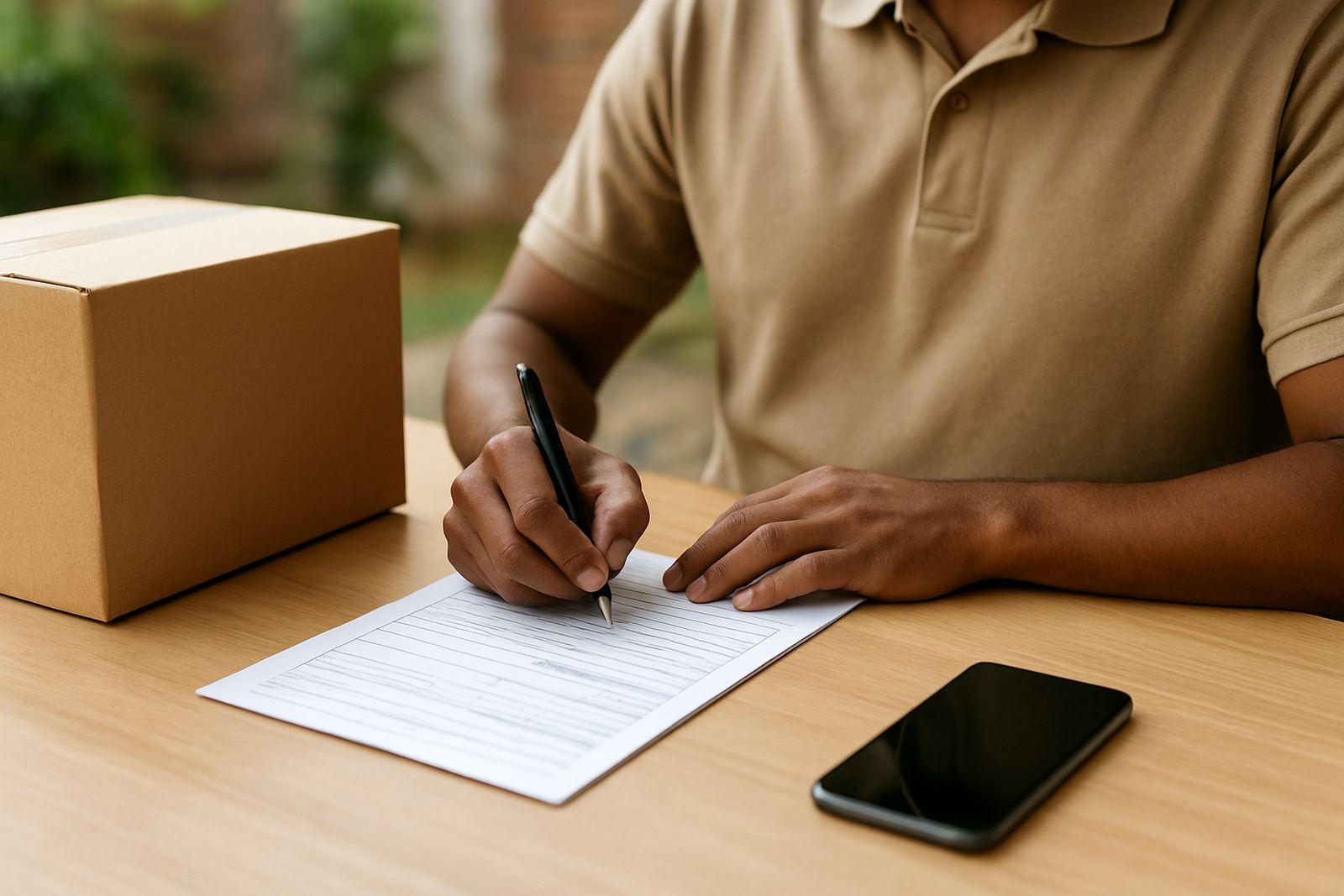
Flatten the stack before you pack. Remove staples only if the receiving party does not need them, and keep each set of papers in order with paper clips or document bands. If there are annexures, make sure they stay behind the main agreement, not mixed into the wrong batch. A neat sequence saves time at the other end and reduces errors when someone is checking signatures or dates.
Write clearly on the outside of the envelope: sender, recipient, branch, and a short reference number. If the parcel contains confidential material, mark it as such on the outer cover but do not list every detail on display. For internal mail runs and multi-branch support, a simple reference such as project name, office and date is usually enough.
- Check page count against the sender's copy.
- Confirm all signatures and initials are present.
- Separate originals from photocopies.
- Use a cover sheet with contact name and reference number.
Choose the right outer packaging for protection
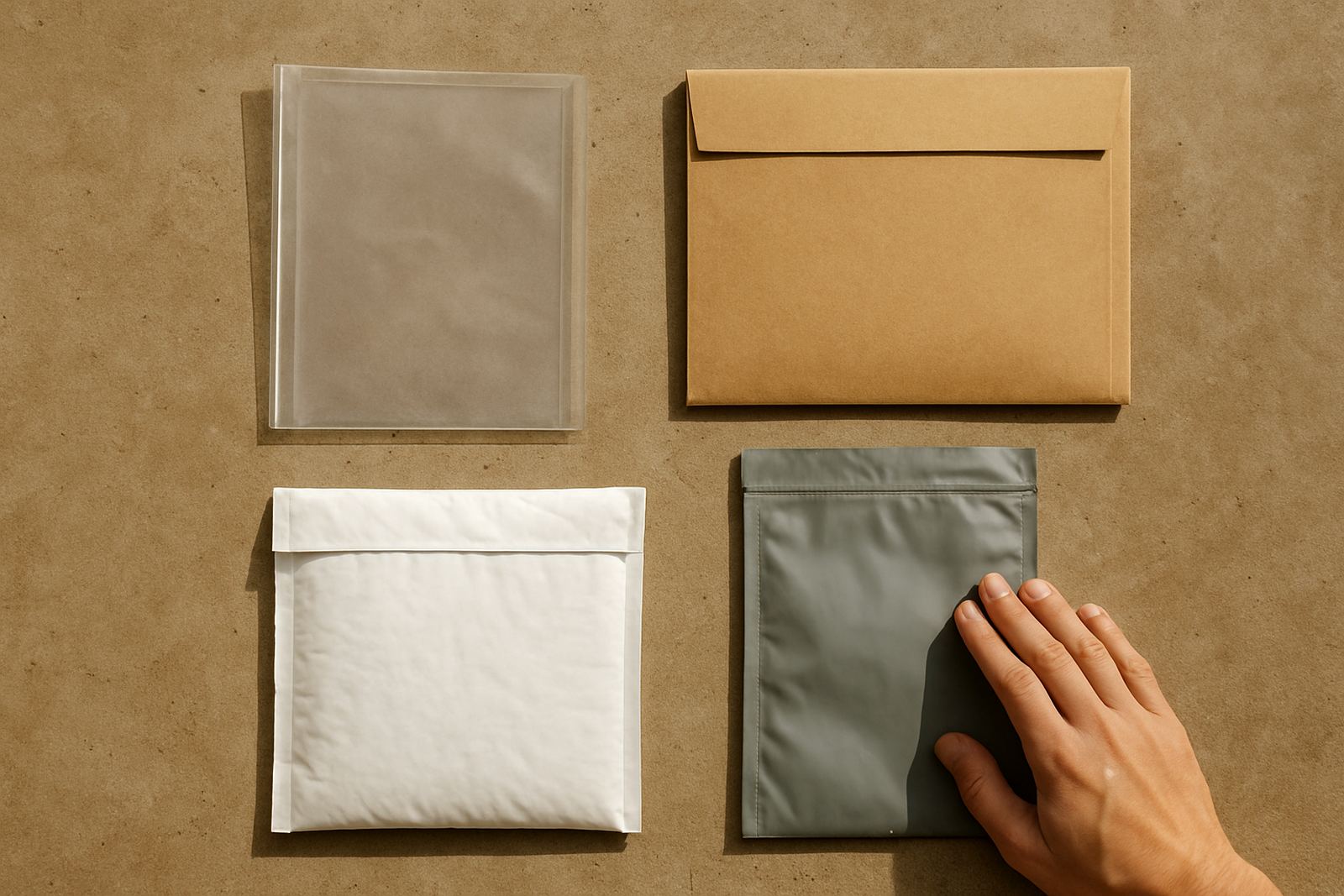
The outer layer is there to stop bending, scuffing and moisture damage. For documents that must remain flat, use a cardboard-backed envelope or a rigid document mailer. If the papers are bulky, a stronger envelope with a secure seal is better than overstuffing a thin sleeve. Overfilled packaging tears easily and can cause corners to fold during transit.
For important legal papers, place the documents inside a clear inner sleeve first, then into the outer mailer. This helps if there is rain at collection, a wet loading bay, or a long wait at a reception point. In summer heat, adhesive seals can lift if the envelope is poor quality so press every seal down firmly and keep the item out of direct sun where possible.
- Use rigid mailers for contracts, forms and certificates.
- Use waterproof sleeves for coastal or rainy routes.
- Do not pack loose pages into oversized envelopes.
- Use tamper evident tape when the contents are sensitive.
Secure confidential papers without making them difficult to receive
Some documents need privacy as well as protection. Tender submissions, HR records and client agreements should be sealed so that only the intended recipient can open them. The goal is to keep the contents private while still making the parcel easy to identify and check in. A two-layer approach works well: an inner envelope for the contents and an outer cover with delivery details only.
If you are sending multiple confidential packs on the same day, label each one with a reference and destination site. That helps our dispatch team route them correctly through Midrand, Sandton, Pretoria, Randburg, the East Rand and beyond. For courier handovers at busy offices, keep a simple signature record so you can confirm who released the item and who received it.
- Seal the inner envelope before writing the delivery reference.
- Use plain outer packaging for highly sensitive papers.
- Record the number of pages or files enclosed.
- Ask for proof reporting if the documents are time critical.
Prepare documents for collection and same-day dispatch
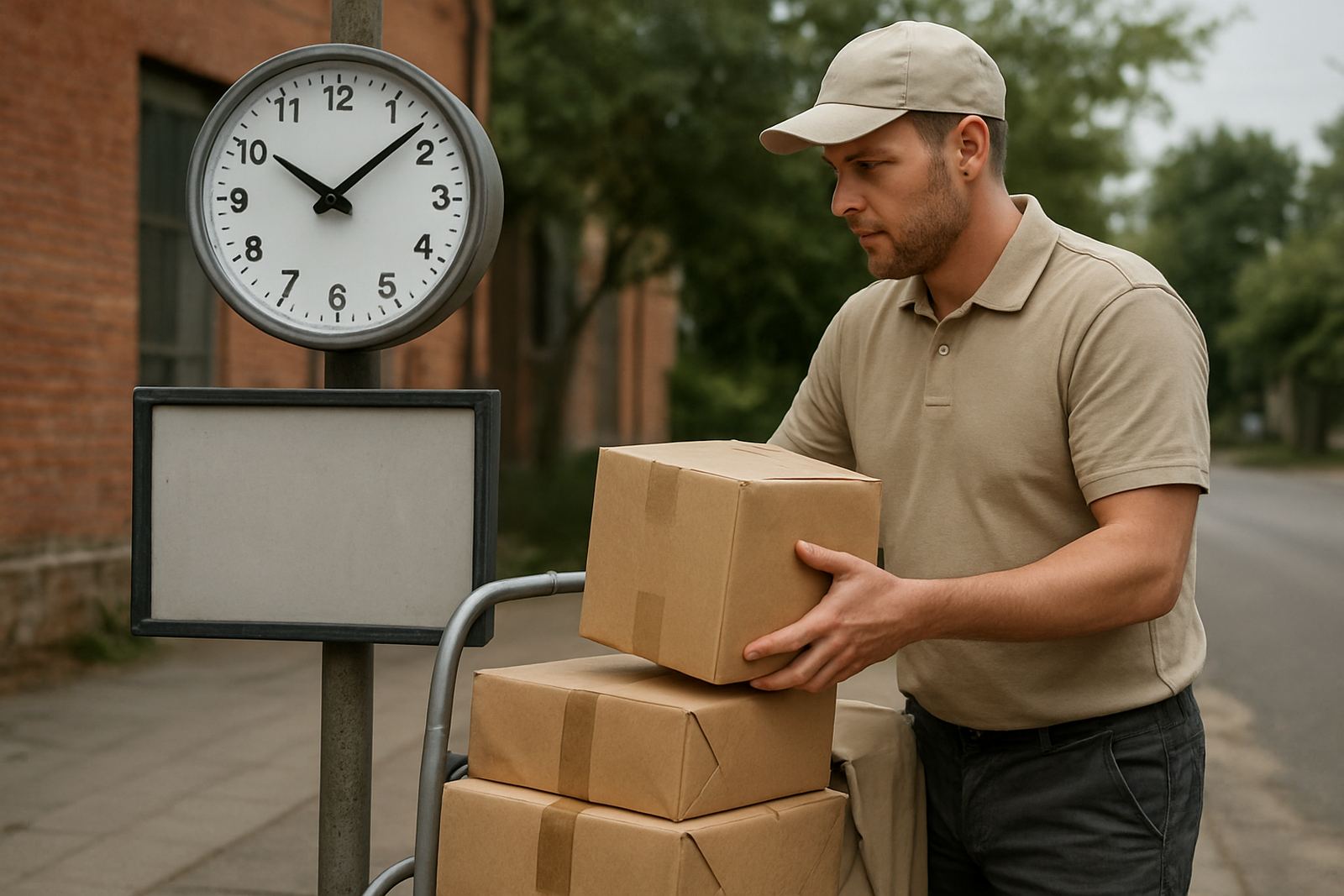
When a driver is due for collection, the parcel should be ready, sealed and easy to hand over. Keep the package near reception or the agreed collection point and make sure someone knows the reference details. If the item is for a priority booking, have the recipient name, building access notes and branch code ready so there are no delays at pickup.
For same-day courier work across Gauteng or to metro hubs in Durban and Cape Town, timing matters. Traffic around Midrand, Sandton and Johannesburg can change fast, and access gates or parking rules can add minutes. The cleaner the handover, the faster the linehaul. If you are sending documents to a municipal office or tender drop-off point, check the receiving times and any gate procedures before collection.
- Pack before the collection window opens.
- Keep the envelope sealed until handover.
- Have the recipient details written clearly.
- Note any special access instructions for office parks or government buildings.
Use a final check before the parcel leaves the building
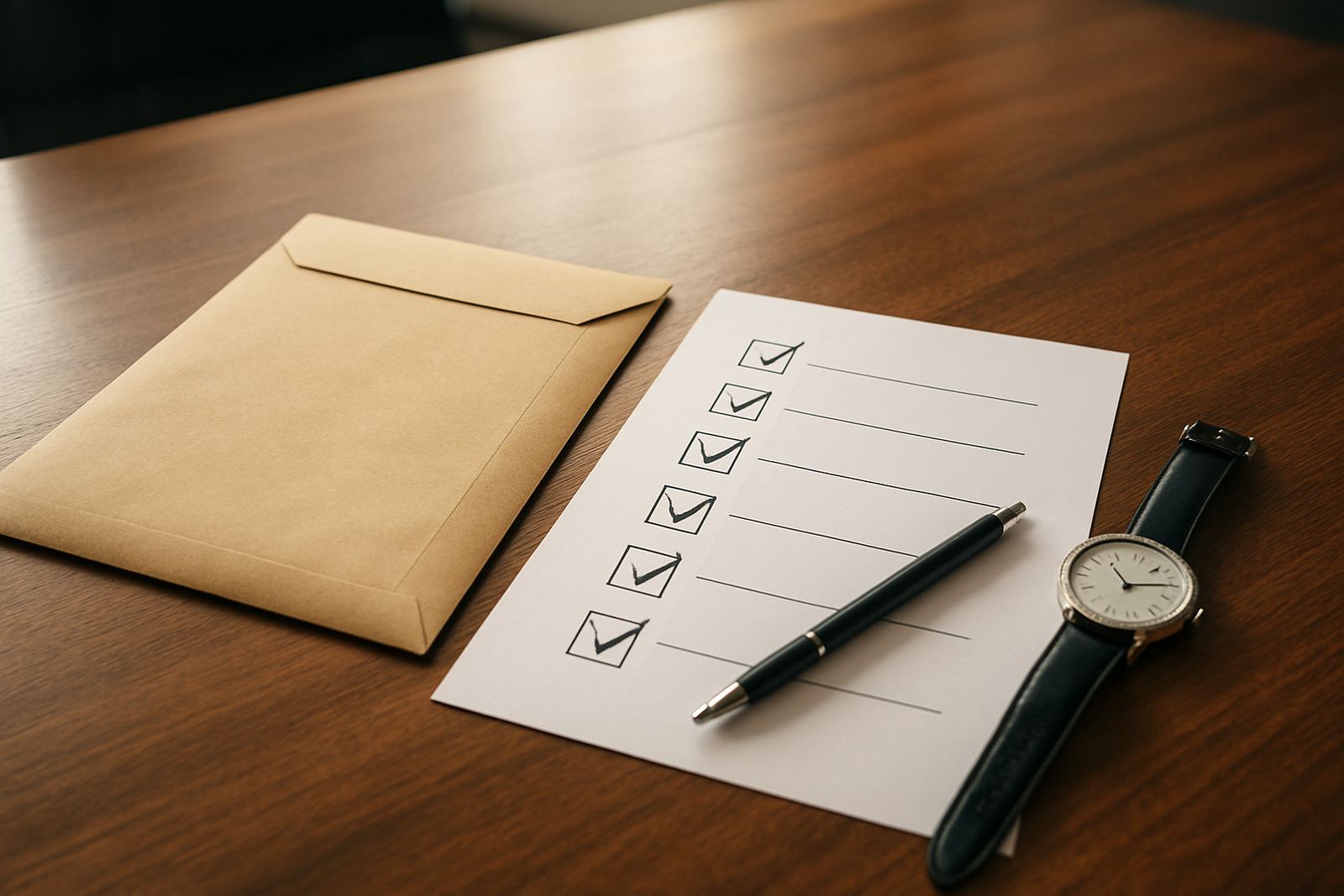
A short final check catches most mistakes before they become delays. Make sure the parcel is flat, sealed and marked correctly. Confirm that the right documents are inside, the page order is correct, and the delivery address matches the job card. If there are multiple copies, count them again. It sounds basic, but this is where the errors happen.
Good packaging also helps after delivery. When a document arrives clean and uncreased, the receiving team can file it, sign it or scan it without extra handling. That matters for account management, proof reporting and returns management, where paperwork often comes back and forth the same week. A tidy pack saves time for everyone and keeps your records in order.
- Sealed and flat
- Correct recipient and branch
- Page count checked
- Reference number visible
- Special instructions attached