
Start with the pickup window and the right service level
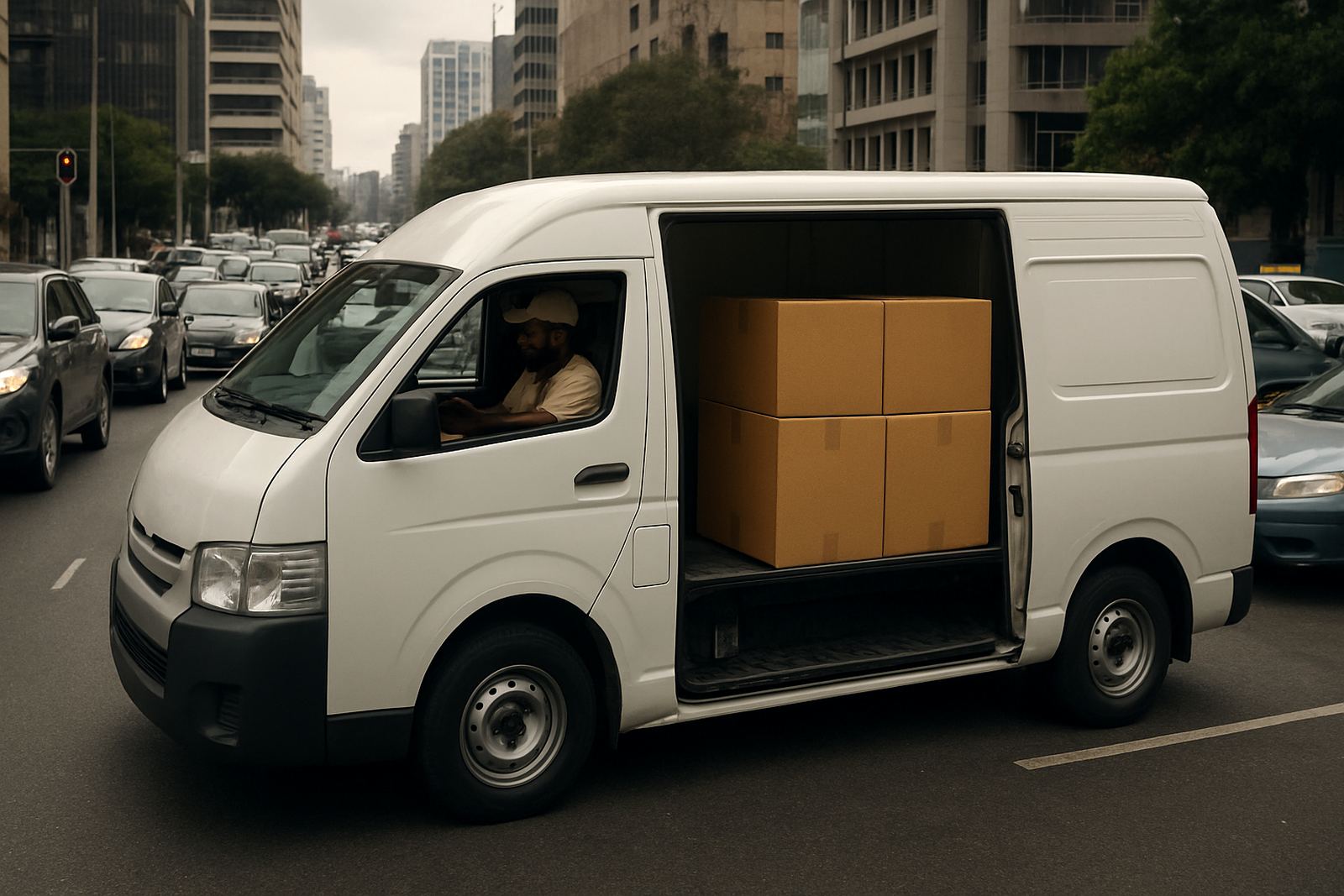
In a metro area, the first point to get right is the pickup window. A collection booked for morning traffic in Midrand does not move the same way as one arranged after 14:00, and the route can change quickly if there is rain, roadworks or an accident on the N1, N3 or M roads. When the item must land on the same day, the booking should state the collection address, the delivery suburb, the floor or unit number, and any building access rules.
For documents and small parcels, the right service level depends on urgency and handover requirements. Daily Collections suit repeat senders with regular volumes, while Priority Bookings are better when timing matters and a missed slot would cause a problem. Dedicated Courier service is useful when the item must move directly from point A to B with no stops in between.
- Confirm the pickup and delivery suburbs, not only the city name.
- State if the item is time sensitive, confidential, or needs a signed handover.
- Tell us if the site has boom access, reception screening, or limited loading bays.
- Prepare the item before the courier arrives so no time is lost at the gate.
If the address is in Sandton, Rosebank, Pretoria East or around Umhlanga, small delays at security or parking can add up fast. Clear instructions at the start keep the run moving and reduce back-and-forth calls.
Pack documents and small parcels for metro movement
Metro courier work is not just about speed. The item must also survive short stops, traffic, handovers and, in some cases, heat or coastal humidity. In Durban especially, paper sleeves and carton seals should be dry and firm, while in Johannesburg and Pretoria the main issue is dust, dusting from sites and the odd burst of rain in the afternoon. Keep parcels small, closed and easy to scan or count at collection.
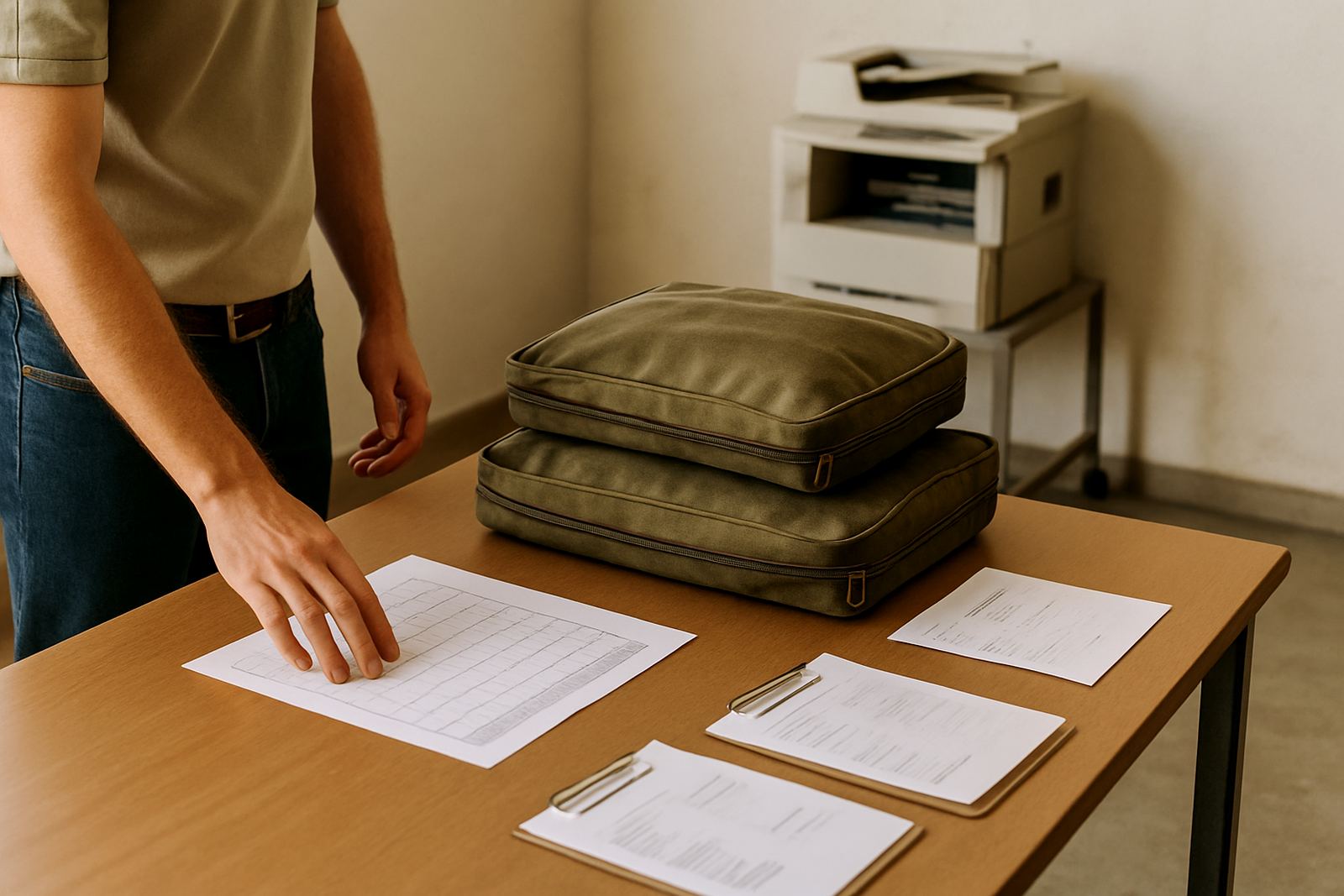
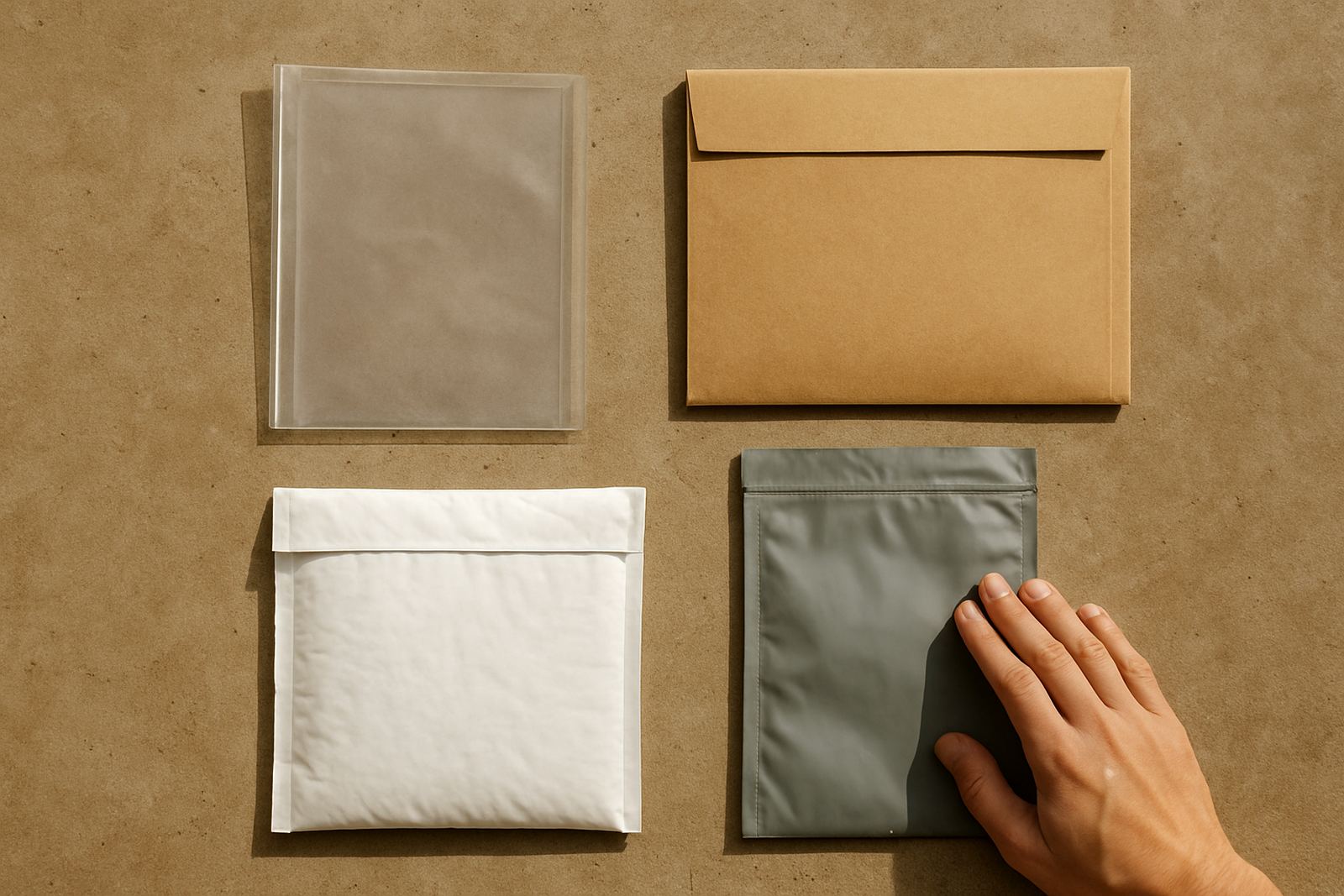
For documents, use a sealed envelope or document wallet. For small parcels, use a box that matches the contents so there is little movement inside. If you are sending multiple items, number them clearly and add a packing list inside the bundle. That makes returns, internal mail runs and branch-to-branch movement easier to track.
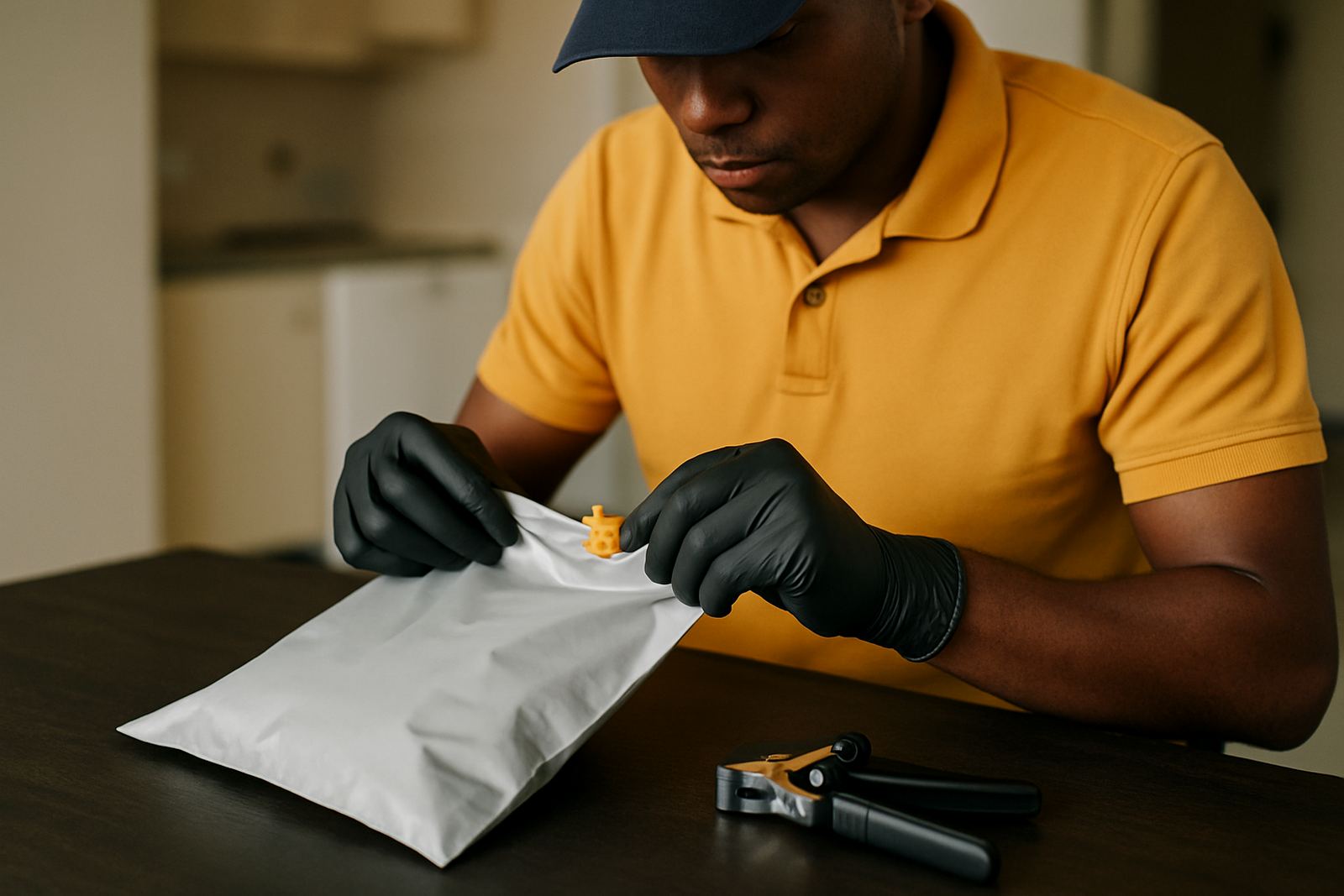
- Seal envelopes and parcels with strong tape across all opening edges.
- Mark fragile items plainly if the contents can shift or bend.
- Keep loose paperwork together, not in several separate sleeves.
- Remove old labels and previous addresses before dispatch.
When the package is ready before the vehicle arrives, collections are quicker and there is less risk of the item being left behind by mistake. It sounds basic, but in a busy hub like Midrand or East Rand it saves a lot of time.
What happens from collection to handover
Once the courier reaches the collection point, the item is checked against the booking details and handed over. In a same-day metro run, the dispatcher keeps the movement matched to the route, so a document for Randburg does not sit behind a parcel bound for Pretoria or a separate delivery in Bryanston. The aim is simple: collect, verify, move, deliver, confirm.
During the run, traffic patterns matter. Morning congestion around Johannesburg can slow the first leg, while school traffic, taxi movement and office exit times can affect the late afternoon window. On Durban routes, weather and port-side movement can also affect timing. For Cape Town metro work, wind, mountain routes and CBD access can change the best delivery sequence. A good run plan allows for these local conditions, not just the straight-line distance.
For customers using Scheduled Routes or Multi-Branch Support, the advantage is predictability. Regular handovers can be planned around office opening times, staff shifts or branch cut-offs. That is useful for tender submissions, internal mail runs and recurring document exchange, where missed timing can create admin trouble later.
Keep access details ready for buildings, estates and business parks
Many metro delays are caused by access, not distance. A courier may be 10 minutes away, but still lose time at a boom gate, a reception queue, or a business park where the security counter wants the recipient’s name and vehicle details. If the item is going to a legal office, medical practice, industrial park or shared workspace, give full instructions before the vehicle leaves the base.
In Johannesburg and Sandton, basement parking rules and visitor passes can affect the handover. In Pretoria, some office parks have tighter security during lunch hours. In Cape Town, CBD loading zones can be limited and some streets have restricted stopping times. Durban business addresses near busy retail or logistics areas may need delivery after a specific time to avoid congestion.
- Share the recipient name, department and floor number.
- Confirm if parking is available or if the courier must use visitor entry only.
- Give the contact person’s name for reception if the receiver is unavailable.
- Tell us if the site needs PPE, sign-in, or a vehicle registration in advance.
These details help the courier finish the job the first time. They also reduce the chance of a return trip caused by a missing gate code or an unannounced access rule.
Choose the right support for repeat sending and multi-site work
Businesses that send items every day need a courier plan, not just a one-off booking. Daily Collections work well for firms with outgoing statements, signed paperwork or regular samples. Account Management helps when several staff members book deliveries and you need one clear record of movement. For companies with branches in Midrand, Johannesburg, Sandton, Randburg, Pretoria or the East Rand, a single courier partner can simplify the whole process.
Multi-Branch Support is especially useful where one office sends out and another branch receives the same item later the same day. That can include internal mail runs, document exchange, or returns management where something must move back with proof of what was collected. If you are handling event logistics or tender submissions, the paper trail matters as much as the run itself.
When the plan is set properly, you get better control over cut-offs, fewer missed handovers, and cleaner reporting. It also helps when load-shedding affects office routines, because teams know exactly when the courier is coming and who should be ready to release the item.
Use proof reporting to close the loop properly
Delivery is not complete until the sender knows what happened. Proof Reporting gives you confirmation that the item was collected and delivered, with the relevant handover details captured. For many metro deliveries, that means there is no need to chase several people for updates after the run is done.
This is useful for legal documents, confidential files, finance paperwork and other items where record keeping matters. It is also practical when the recipient is not at their counter or when the item is handed to a switchboard, receptionist or security point. Proof must be clear enough to stand up to internal checks later.
- Keep the dispatch reference or booking number for your records.
- Check that the recipient name matches the receiving person or department.
- Ask for proof reporting on all urgent or sensitive items.
- Store returned items separately so they are not mixed with new outgoing parcels.
In busy metro areas, a good proof trail saves time and avoids confusion. It also helps when the same sender uses different delivery types across the week and needs one clean record of movement.