
1. Confirm what is being collected before the vehicle arrives
Start by checking exactly what needs to go. Home collections are usually straightforward, but small errors cause delays. Separate the items that are travelling from anything that is staying at home, especially if there are similar parcels, envelopes or wrapped gifts in the same room.
If you are sending documents, count the pages and make sure nothing is missing. If you are sending a small parcel, weigh it roughly and check that the contents fit within normal courier limits for hand-carried items. For fragile goods, give them a quick look over before collection so you know they are packed properly and have no loose parts.
It also helps to decide whether the item must go as priority, on a scheduled route, or as part of a regular collection. If it is urgent, keep the parcel ready in one place and do not keep adding bits to it after it has been sealed.
- Put all items to be collected in one spot near the door
- Keep personal items away from the parcel area
- Check that document sets are complete
- Make sure fragile items are already protected
- Decide whether the job is urgent or routine
2. Pack documents and parcels so they travel safely
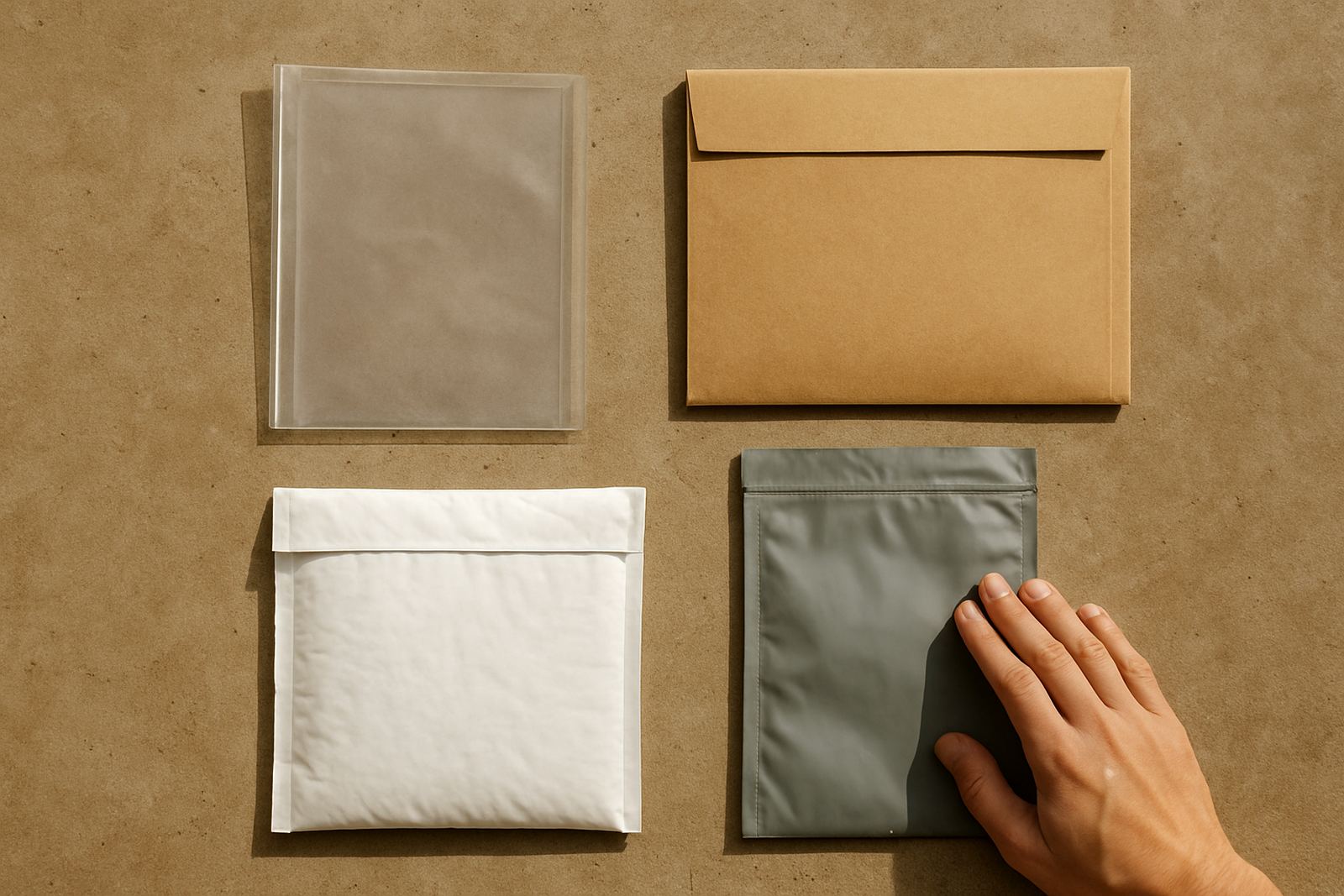
Good packing saves time and prevents damage. Documents should be placed in a clean envelope, file sleeve or document wallet, then sealed so pages cannot slip out. If the contents are confidential, use an inner envelope inside a second outer layer. That gives a little extra privacy during handling.
Small parcels should be closed properly with strong tape. Avoid leaving flaps open or using weak wrapping paper as the only layer. If the parcel contains glass, electronics or anything that can move around inside, use bubble wrap, cardboard inserts or other packing material to stop it shifting. In coastal areas like Durban or Cape Town, add an extra moisture layer if the contents are paper-based or sensitive to humidity.
Do not overfill a box. A parcel that bulges or tears at the corners is more likely to split while being moved through a gate, up stairs or into a vehicle. If you are using a recycled box, remove old labels and barcodes so there is no confusion with previous deliveries.
- Use sealed envelopes for loose documents
- Wrap fragile items individually
- Use strong tape on all seams and edges
- Remove old labels from reused boxes
- Add moisture protection for paper items in humid areas
3. Make the address easy to find on the day
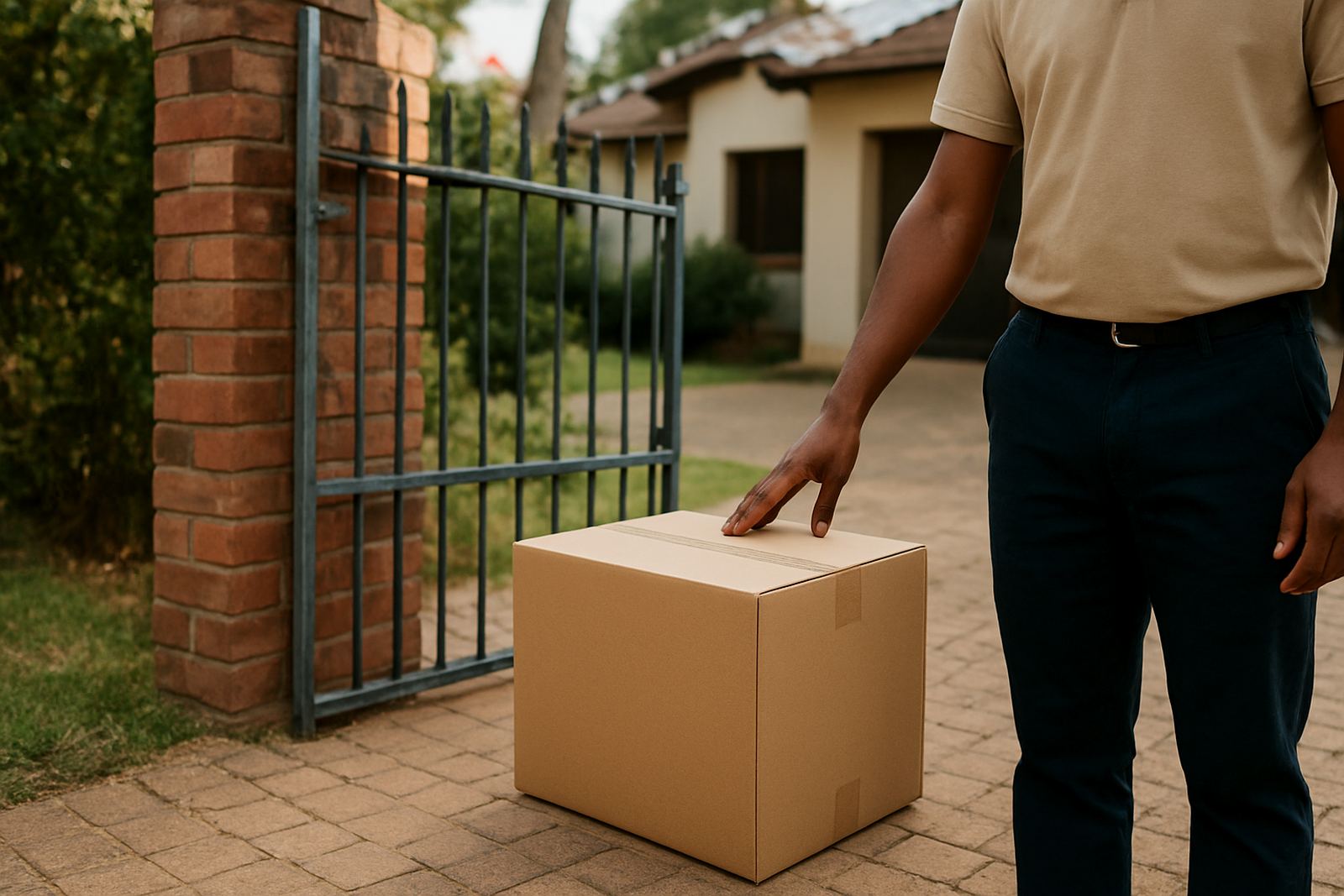
The driver should not have to guess which entrance to use. Give clear instructions for the house, flat, estate or complex, including the street number, suburb and any security gate details. In Midrand, Sandton, Randburg and Pretoria, access can change a lot between estates, boomed streets and business parks, so the more exact you are the better.
If your home is inside a complex, tell us the unit number, visitor entry point and whether the guard requires an ID or vehicle details. If you live in a block of flats, include floor number, lift access information and whether there are loading restrictions. For gated estates, it helps to mention if there are peak-hour delays at the gate or if residents need to announce visitors in advance.
It is also useful to mention any landmarks, such as a corner shop, school, filling station or estate entrance sign. A few clear directions can save 10 to 15 minutes on a busy day, especially during afternoon traffic or load-shedding related gate delays.
- Provide full street address and suburb
- Include unit, flat or complex number
- Share gate, access or security instructions
- Add a nearby landmark if the entrance is hard to spot
- Note any access times or visitor rules
4. Keep someone available to hand over the parcel
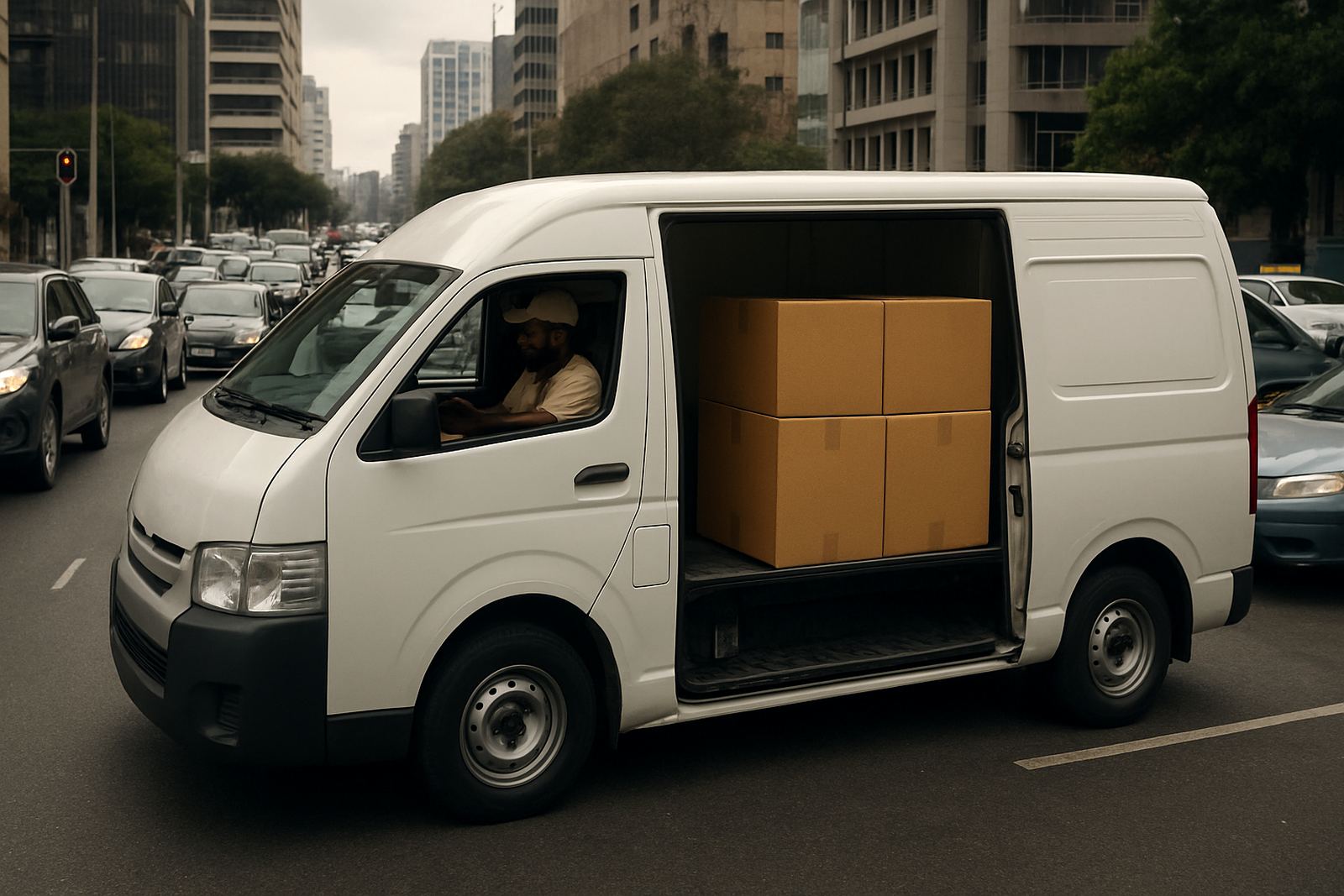
When the courier arrives, there should be someone available to hand over the item and confirm the collection. If you will be in a meeting, in the bath, or busy with children, make sure another adult is ready. Collections move quicker when the item is already sealed and the person handing it over knows what it is.
For private home collections, we may also need a quick check of the sender details and the delivery destination. If the parcel is going to a metro hub in Gauteng, Durban or Cape Town, the route can often be planned on the same day, but only if the details are clear and ready to use.
Keep your access gate remote, intercom, or security phone nearby if needed. If there is a dog, put it away before the courier arrives. It sounds simple, but this is one of the most common reasons a collection takes longer than expected. A quick handover is better for everyone.
If you are sending a document for signing, make sure the signed pages are in the same envelope and not left on a kitchen counter or car seat. Small mix-ups are easy to avoid if everything is kept together.
5. What to do before collection if you need proof or special handling
Some collections need more than a simple pickup. If you want proof reporting, ask for it when you book so the process can be tracked properly. This is useful for tender submissions, signed forms, lease papers, legal packs and time-sensitive business documents collected from a home address.
If the parcel is valuable, fragile or needs a dedicated vehicle, say so upfront. That allows the right service to be arranged and avoids last-minute confusion. A parcel containing jewellery, original IDs, or important certificates should be packed separately and clearly identified, but not labelled in a way that exposes sensitive details to the wrong eyes.
For returns management, keep the original item, return note and any reference numbers together. If there are multiple parcels leaving the same address, label each one clearly with the destination or reference. That matters when one household is sending two or three different items from the same pickup point.
- Ask for proof reporting when needed
- Flag fragile, valuable or time-sensitive items early
- Keep return references with the parcel
- Label multiple parcels clearly
- Separate sensitive documents from general household items
6. Final collection checklist for a smooth handover
Before the courier arrives, do one last walk-through. Check that the item is sealed, the address is correct and the collection spot is ready. If the parcel is going far, such as from Johannesburg to Durban or Cape Town, make sure nothing still needs to be added because once the item leaves your hands, the route starts moving.
It is also worth checking that you have not forgotten any supporting papers. A missing signature page or invoice can delay the next step. If the parcel is part of a business or personal chain of events, such as an application, booking or filing, keep copies of key pages for your own records. That way you are not left searching for them later.
Home collections work best when the sender is organised and the courier can get in, collect, and leave without backtracking. That saves time, reduces handling and keeps the process tidy from start to finish. If you are unsure about packaging or access, ask before collection so it can be sorted while there is still time.
- Seal the item and confirm the address
- Keep all supporting papers together
- Clear the collection point
- Do a final check for missing pages or inserts
- Ask questions before the driver arrives if anything is unclear