
Why branch bags matter on repeat routes
When a branch sends the same type of items every day, the small details matter. A proper branch bag system keeps transfers moving in a consistent way, which helps staff know what goes out, what arrives, and what still needs action. It also cuts down on loose items being left on counters, mixed with other work, or handed over without clear proof.
For businesses with offices in Midrand, Sandton, Pretoria and the East Rand, a standard bag routine can make daily movement far easier to control. Instead of packing each transfer differently, the same bag size, label format and handover steps are used every time. That means fewer missed items and less confusion during busy periods, especially when load shedding disrupts printing or after-hours handovers are needed.
Branch bags are not only for head office and satellite offices. They also work well for legal firms, finance teams, HR departments, tender teams and any operation that needs secure movement between branches on a set schedule. The point is simple: a repeatable system saves time and reduces errors.
Set one packing method and keep it the same
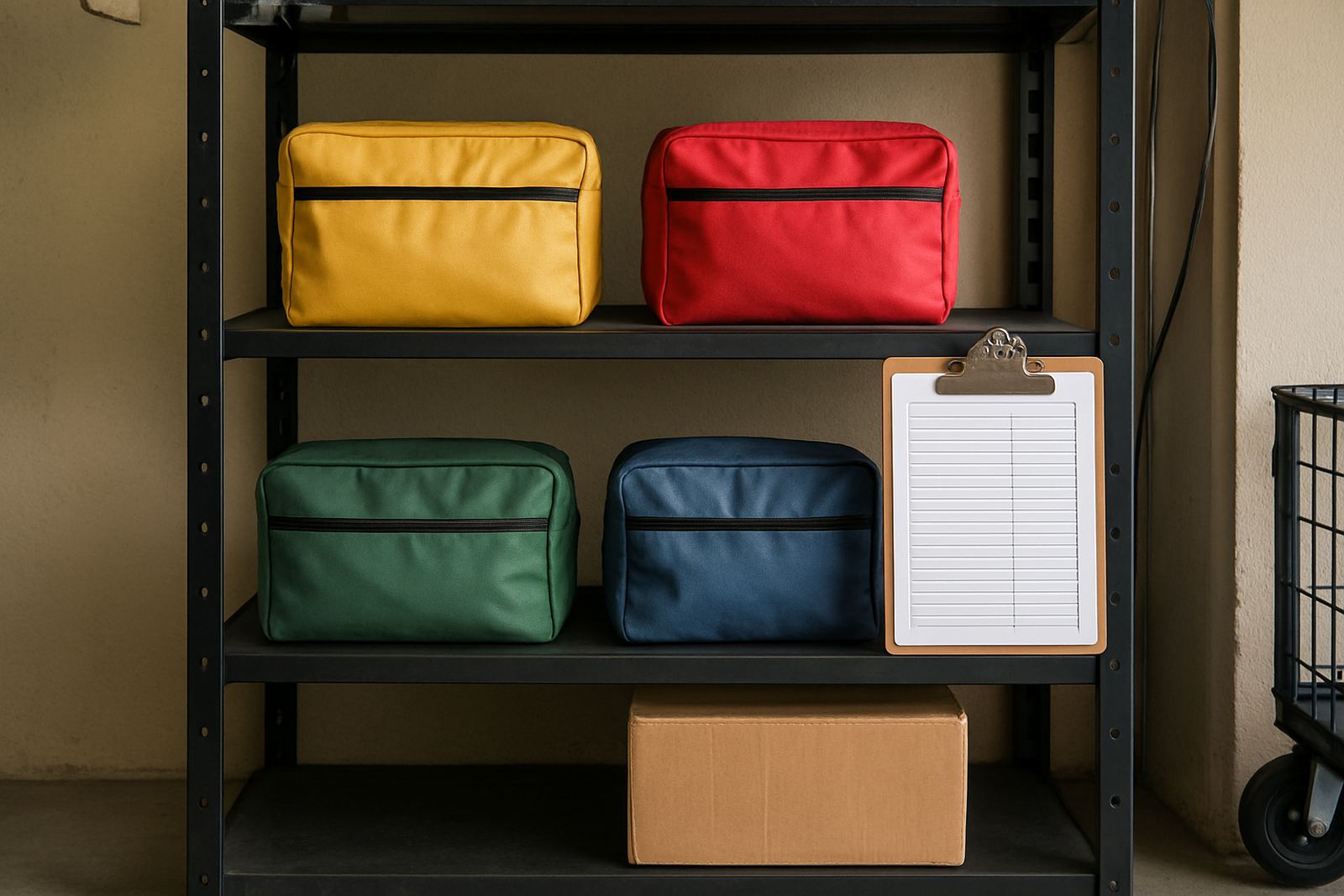
The best branch bag systems are usually the simplest. Each office should pack the bag the same way, every time, so the courier knows what to expect. That includes the bag type, the seal used, the label position and where to place paperwork inside. If one site uses a box file, another uses a satchel and a third sends loose envelopes, the system becomes harder to manage and mistakes start creeping in.
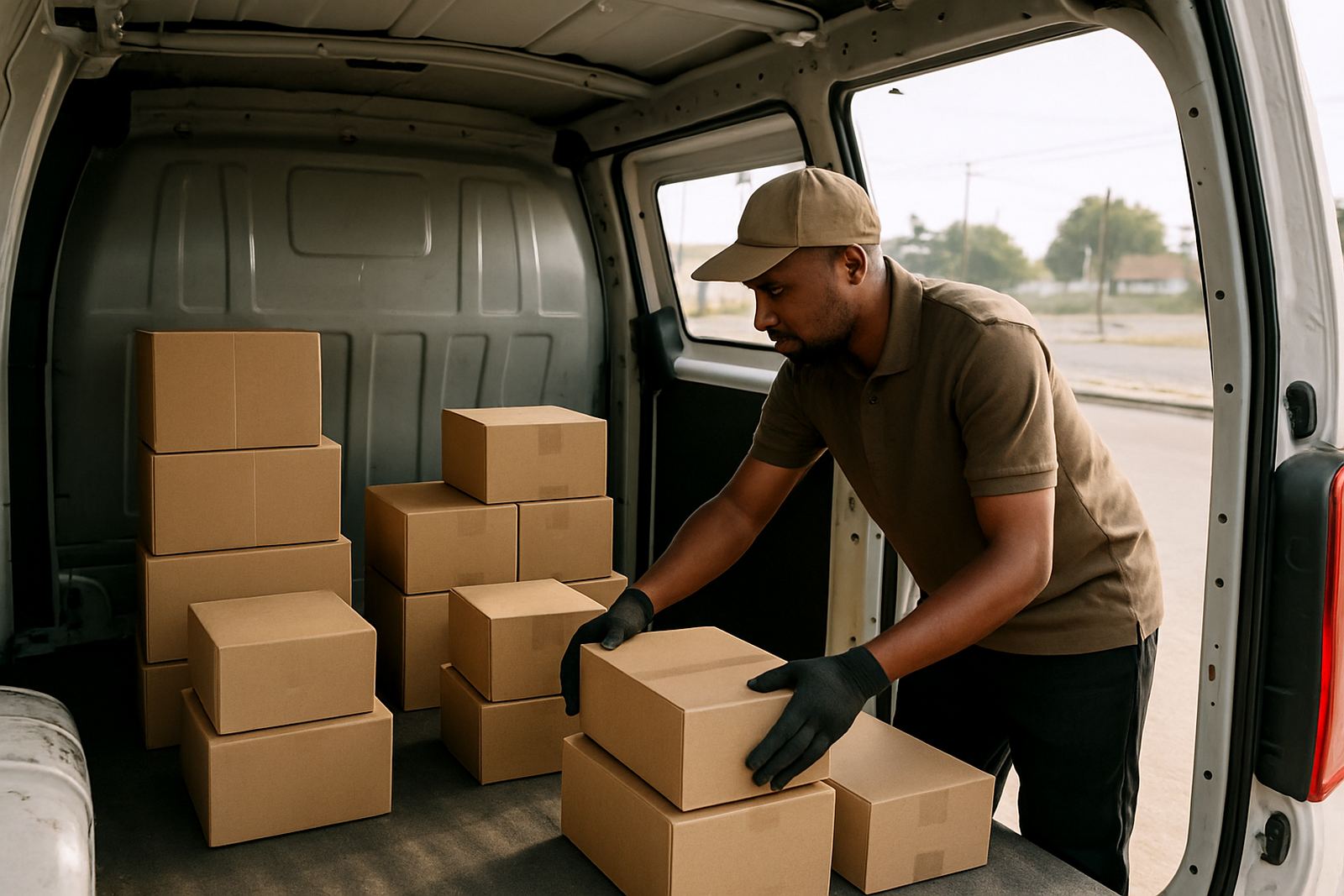
A-Two often advises clients to assign one packing owner per branch. That person checks the contents, applies the label and confirms the outgoing time before collection. It helps if the bag is packed before the vehicle arrives, because that keeps the run tight and avoids drivers waiting at reception while staff search for missing documents. On busy days in Johannesburg, those extra minutes add up quickly.
- Use one standard bag size for each route, where practical
- Keep documents flat and facing the same direction
- Place the route label on the front, not folded over the side
- Seal the bag in a way that shows if it has been opened
- Keep a simple packing log at reception or in the office file
What should go on the branch bag label
A label should tell the courier everything needed to move the bag without delay. It must be easy to read at a glance and it should match the details on the collection instruction. Handwritten labels are fine if they are neat and consistent, but printed labels are better when the same route runs every day and the same office names are used again and again.
The label does not need to be crowded. Too much information can slow things down and cause confusion, especially when the driver is sorting more than one bag at a branch hub. Keep the wording short and practical. If the route changes, the label should change too, so the team does not send a Midrand bag to a Randburg stop by mistake.
Useful details to include are:
- Sending branch and receiving branch
- Date and planned collection time
- Bag number if there are multiple bags on one route
- Contact person at both ends
- Any special handling note, such as urgent or confidential
Match the route plan to real operating times
Branch transfer bags work best when the collection time matches how each office actually operates. If a Durban branch closes its front counter early on Fridays, the run has to be adjusted. If a Cape Town office needs the bag collected before traffic builds up on the N1 corridor, that timing should be fixed into the route. Planning matters because same-day courier work depends on practical timing, not wishful thinking.
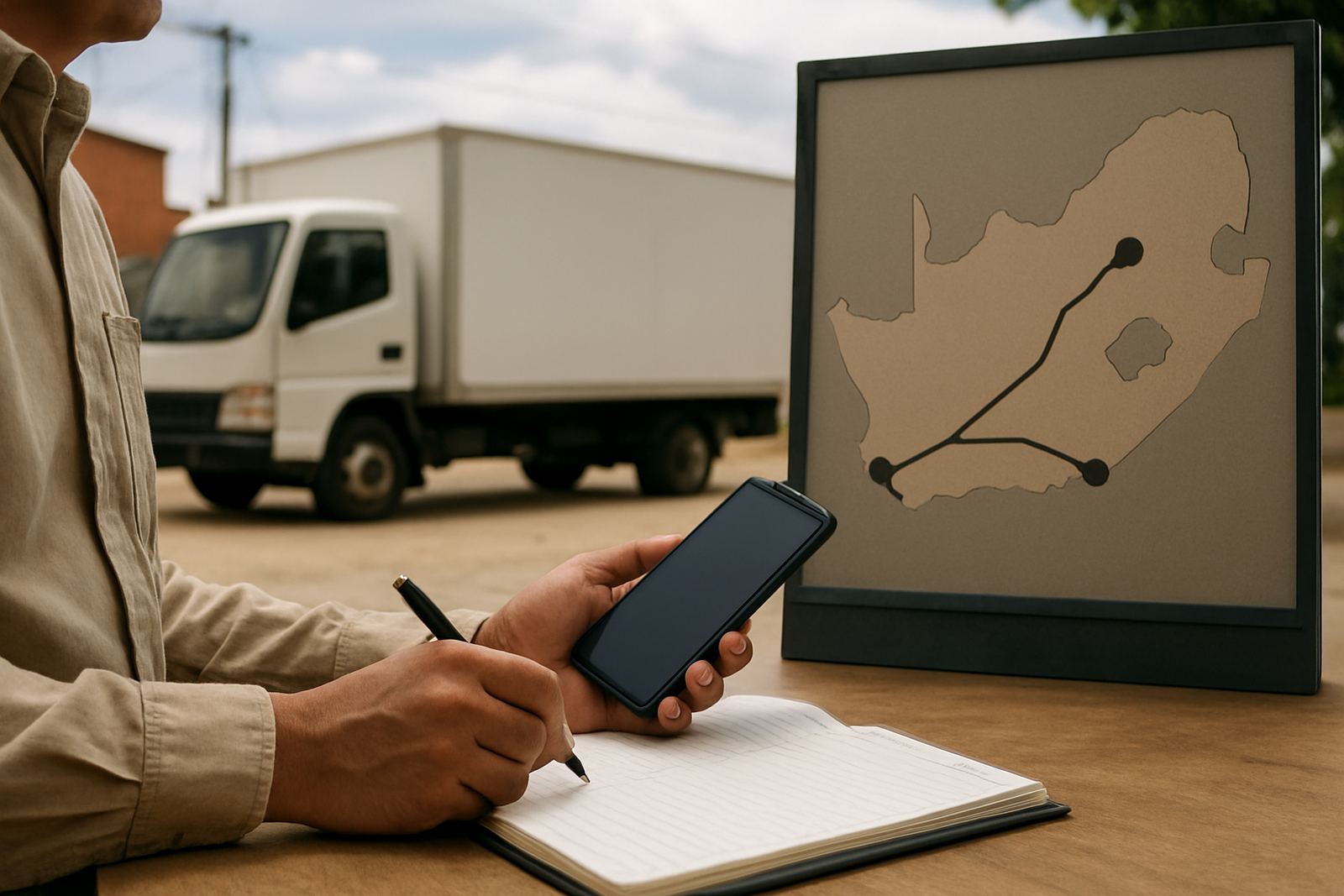
For recurring movements across Gauteng, A-Two can align collection windows with branch opening hours, security access and internal sign-off times. That is especially helpful where several sites need the same driver run on the same day. A route that starts in Midrand and moves through Sandton, Randburg and Johannesburg can stay on track only if each branch packs the bag by the agreed handover time.
Good route planning also helps when municipal rules, parking limits or security restrictions affect where the handover happens. Some buildings only allow collections through a loading bay, others require reception sign-in and a release note. Those details need to be built into the routine so the bag does not sit waiting outside while staff sort out access.
Proof reporting keeps the chain clear
Once a bag leaves the branch, proof becomes part of the process. A branch transfer system should show who packed the bag, who released it, who collected it and when it was delivered. This is useful when there is a query later, especially for payroll files, tender packs, signed internal documents or compliance papers. Without proof, the handover becomes harder to trace and staff spend time trying to work backwards.
A-Two provides proof reporting for regular branch runs, which helps teams see where a bag was scanned, when it arrived and whether it was handed over as expected. For businesses handling internal mail runs across multiple offices, that record can save time during month-end checks and audit preparation. It also gives managers a cleaner view of any delay, instead of relying on WhatsApp messages or memory alone.
If your branches send confidential files, proof reporting is even more important. It shows the movement trail without turning the process into extra admin for office staff. That matters in busy operations where one clerk may already be handling visitors, deliveries and load shedding backup tasks at the same time.
A local example from Midrand to the metro hubs
Consider a group with a main office in Midrand and smaller teams in Sandton, Pretoria and Durban. Each day, the offices exchange signed forms, client packs and urgent printouts. If those items are sent in random envelopes, the reception team spends time checking names, and the courier may need to stop twice at the same site. With a branch bag system, the Midrand team packs one labelled bag, seals it and releases it before the agreed collection time.
That same approach works for Cape Town metro runs too. If the branch needs regular movement of small parcels and documents, one bag can carry a complete route pack instead of several loose items. The collection is faster, the receiving office knows what to expect, and the branch manager can see when the next movement is due. It is a simple process but it pays off quickly once the route repeats every week.
For businesses with more than one site, the real value is consistency. Staff do not need to rethink the process each day. They just follow the same steps, use the same labels, and hand the bag over on time. That is what keeps recurring branch transfers orderly and reliable.