
Start with the delivery order, not the kilometre count
A multi-stop run looks simple on paper until traffic, gate access and handover times get involved. The best route is not always the shortest one. In Gauteng, a 30 km trip can take less time than a 12 km run if the shorter route cuts through rush-hour bottlenecks or several security-controlled business parks.
Start by listing every stop in the order that makes sense for the client’s deadline. If one parcel must reach Sandton by 10:00 and another can arrive in Randburg by noon, the urgent stop goes first even if it is not the nearest. For same-day work, we also check whether a delivery sits inside a loading bay with time limits or a reception area that only accepts couriers at certain hours.
This is where clear instructions matter. A route plan should include the full building name, floor, contact person, parking access, and any security notes. One missing detail can add 15 minutes to a stop, and on a packed route that delay multiplies fast.
Match the route to the kind of cargo
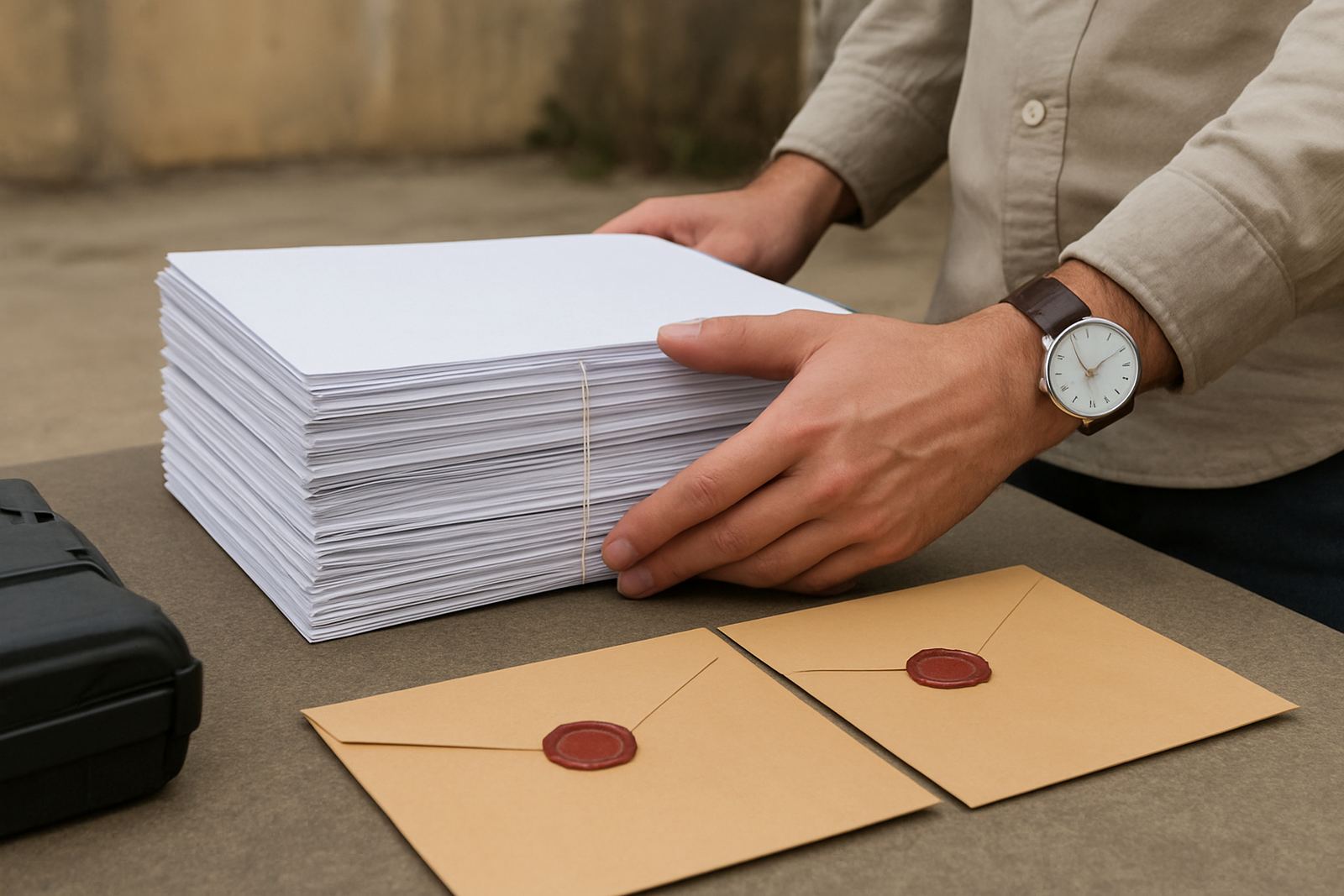
Multi-stop planning is different for document runs and for small parcels. Documents usually need speed, intact envelopes and direct handover. Small parcels may be heavier, more fragile, or require a signature plus photo or stamp reference. If there are returns involved, the driver also needs enough space in the vehicle for items coming back to the base or to another branch.
For A-Two clients, we often plan a route that mixes daily collections with internal mail runs and priority bookings. That only works when the load is grouped properly before departure. A stop carrying tender submissions should not sit under a stack of loose parcels. Similarly, wet-weather packaging matters in Durban and along the coast where humidity can affect paper and outer wrapping.
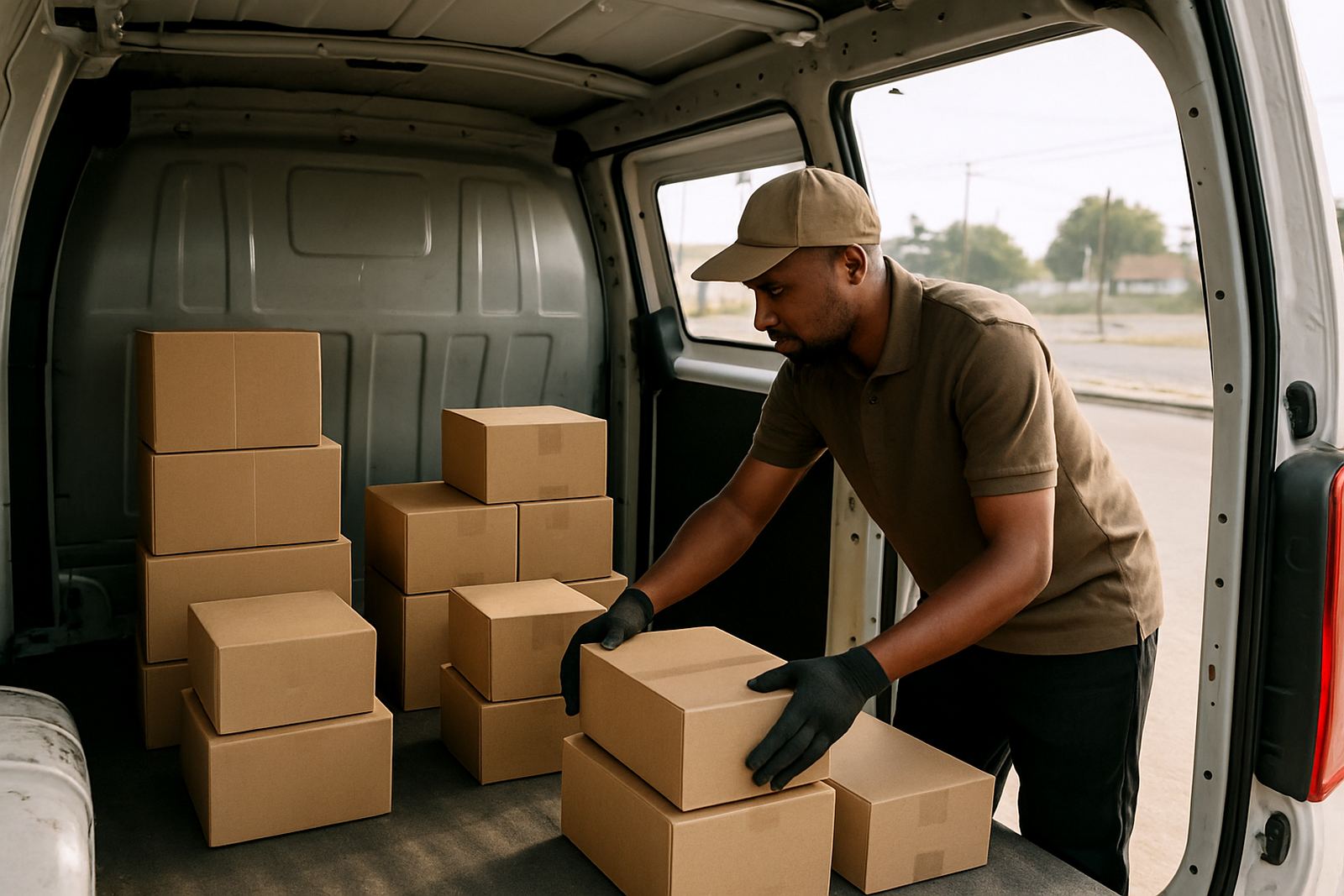
- Separate urgent documents from bulkier items before the vehicle leaves Midrand.
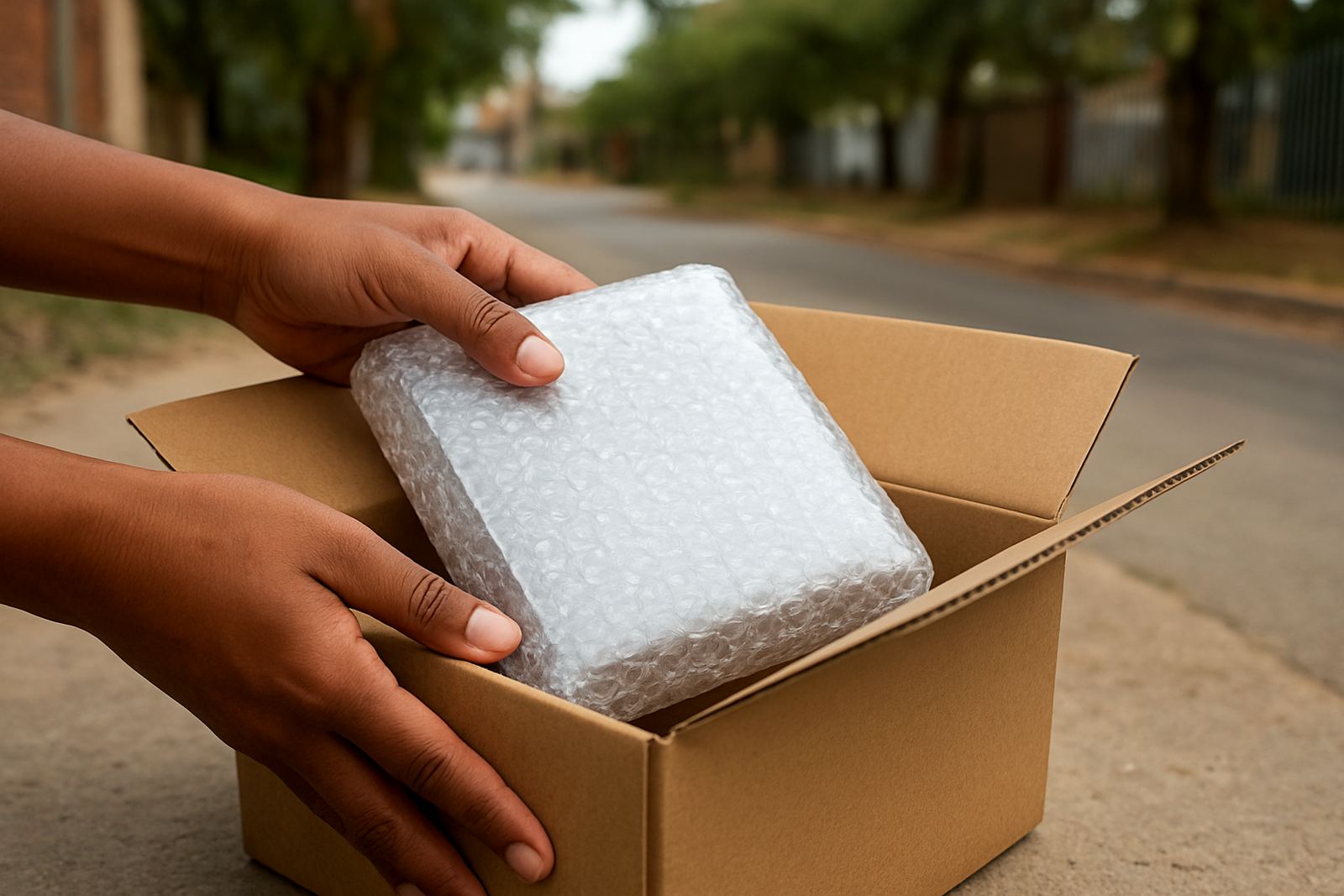
- Use sealed envelopes or weather-safe packaging for sensitive paperwork.
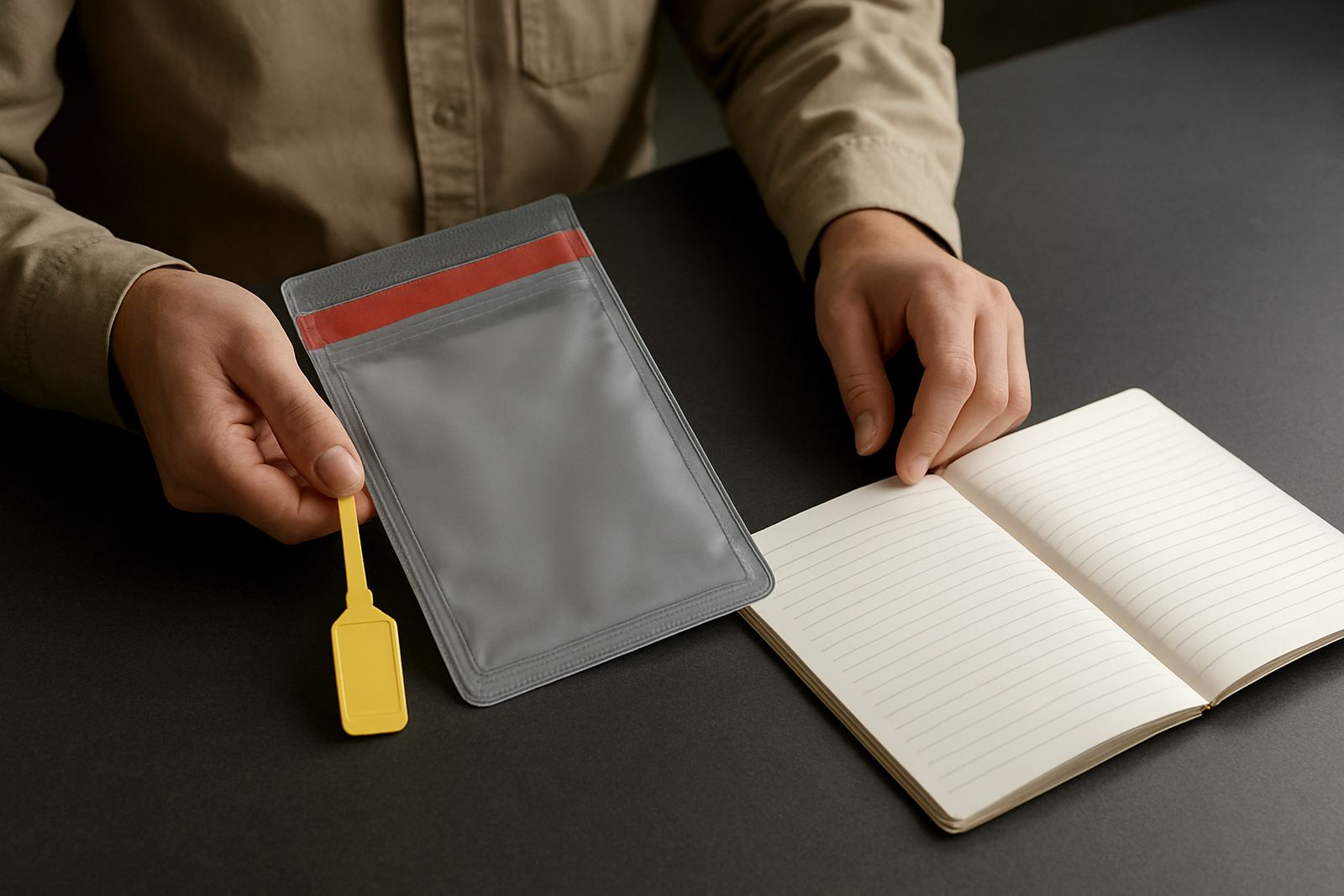
- Mark any item that needs proof of delivery, return signature, or branch handover.
- Keep fragile parcels away from the front of the load where they can shift under braking.
Build in time for traffic, security and handover delays
A courier route is only efficient if the timing is realistic. In Johannesburg, one stop in Sandton can take longer than expected because of basement parking queues, access cards or lift delays. In Pretoria, a route near government buildings or business parks may need extra time for security checks and visitor processing. In Cape Town, traffic around the CBD and access restrictions in certain delivery zones can change the order of a run by the hour.
Plan for three kinds of delay: road delay, site delay and handover delay. Road delay is the traffic or a road closure. Site delay is the time spent getting into the building and finding the right person. Handover delay is the moment when the delivery is ready but the recipient is not. If you ignore those three, a route that should have taken half a day can spill into the afternoon and miss the next collection window.
A practical route sheet should also show the latest acceptable drop-off time for each stop. That gives the dispatcher a clear picture of whether the route still works or needs a split. In some cases it is better to send a second vehicle than to cram too much into one run and risk late delivery.
Use one dispatcher view for the whole run
When several deliveries are moving at once, the dispatcher needs one clear view of the route. That means seeing the collections, drop-offs, and any return items together instead of as separate jobs. Without that full picture, it is easy to miss a priority stop or send the driver across town twice.
At A-Two, our operations team and dispatch support planned multi-stop runs from the Midrand base for clients across Gauteng and metro hubs in Durban and Cape Town. The practical goal is simple: fewer empty kilometres, better timing, and fewer surprises. If a client adds a last-minute stop, the dispatcher checks whether it fits the route or needs to go on the next run.
- List every stop in the same order the driver will follow it.
- Flag urgent items, returns, and any proof reporting needed after delivery.
- Note who signs for each item at each branch or office.
- Confirm if the route needs account handling, a dedicated courier, or a shared run.
A local example: Midrand to Sandton, Pretoria and back through Randburg
Consider a weekday route starting in Midrand at 08:00. The vehicle collects two sealed document packs from a finance team, then heads to Sandton for a signed contract handover. From there it moves to Pretoria for an internal mail exchange, before returning through Randburg for a small parcel drop and a proof update to the client.
On paper, that sounds like four simple stops. In practice, the sequence needs to account for morning traffic on the N1, parking access at each site, and the time needed for each recipient to sign. If the Pretoria stop is tied to a board meeting at 11:00, it may need to come before Randburg even if Randburg is geographically closer. That is the kind of call that protects the timetable.
A route like this also shows why communication matters. If one office asks for an extra envelope to be added, the dispatcher checks whether the item can be folded into the run without pushing out the last delivery. Sometimes it can, sometimes it cant. Being realistic upfront avoids missed expectations later on.
What good proof reporting should show after the run
Once the route is complete, proof reporting closes the loop. Good reporting tells the client what was delivered, where it was handed over, who received it, and whether there were any exceptions. For business clients handling tenders, compliance packs or internal records, that information is often as important as the delivery itself.
Strong proof reporting should not be vague. It should answer the basic questions without a follow-up call. If a stop was delayed because the contact person was in a meeting, that should be recorded. If a parcel was handed to reception instead of the named recipient, that should be clear too. Accurate notes help with account management and future planning, especially on repeated scheduled routes.
- Record the delivery time, recipient name and any signature or stamp reference.
- Note exceptions such as closed offices, incorrect access details or refused items.
- Capture return items separately so they are not confused with completed deliveries.
- Keep the report in a format the client can use for filing or internal tracking.
When to split a route instead of forcing it into one run
Not every multi-stop route should stay as one vehicle trip. If the route crosses too many metro areas, has narrow delivery windows, or includes a mix of urgent and non-urgent items, splitting it can save time and reduce risk. This is especially true on days with load-shedding related access problems, heavy rain, or unexpected roadworks.
A split route may be the better choice when one client needs a dedicated courier for a priority submission while another stop can wait for the next collection cycle. The same applies when a route has too many handovers and would leave the driver circling between business districts. A clean split is often more economical than one over-stretched run that runs late across the board.
For businesses that move documents and small parcels daily, the aim is not to make the route look busy. The aim is to make every stop count. That takes planning, good dispatch control and a clear understanding of how local roads, building access and client timing work in practice.