
What confidential handling should look like from first collection
Confidential items need more than a fast trip from point A to point B. They need a clear chain of responsibility, a driver who knows the route, and a client who knows when the item was collected and when it was delivered. That is the basic standard for documents, sealed envelopes, medical records, payroll packs and other sensitive paperwork.
At our Midrand base, every booking starts with the same practical questions: what is being moved, who may receive it, and whether the item needs a signature, photo proof or a named recipient only. That is how you reduce the chance of a parcel being left with the wrong person at a reception, security gate or loading bay.
For business clients, confidential handling is often about protecting process as much as protecting paper. A tender submission that arrives late can cost a contract. A signed agreement left in the wrong inbox can delay work by a day or more. For that reason, we keep the handover simple and traceable.
Packaging and sealing that keeps sensitive paperwork private
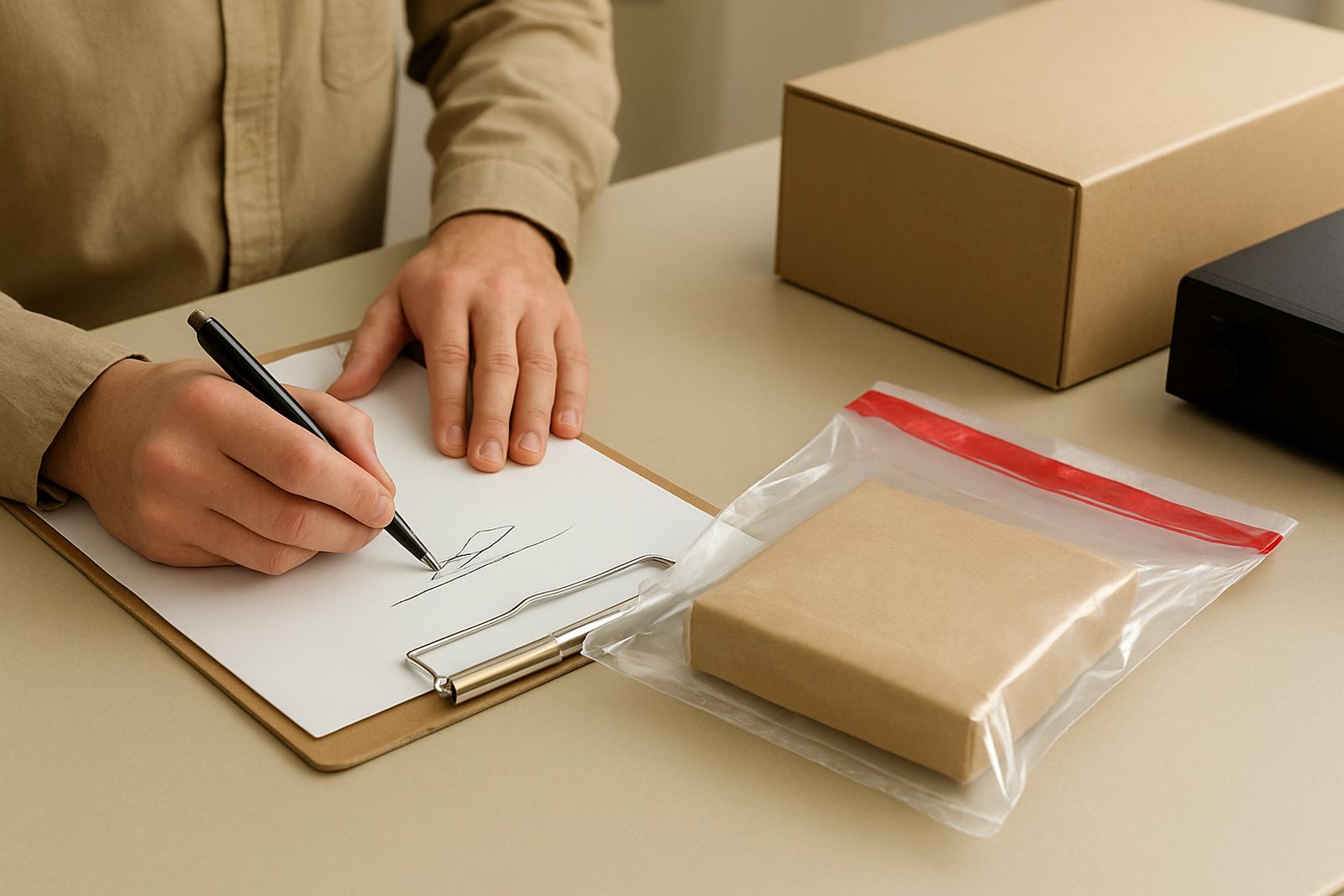
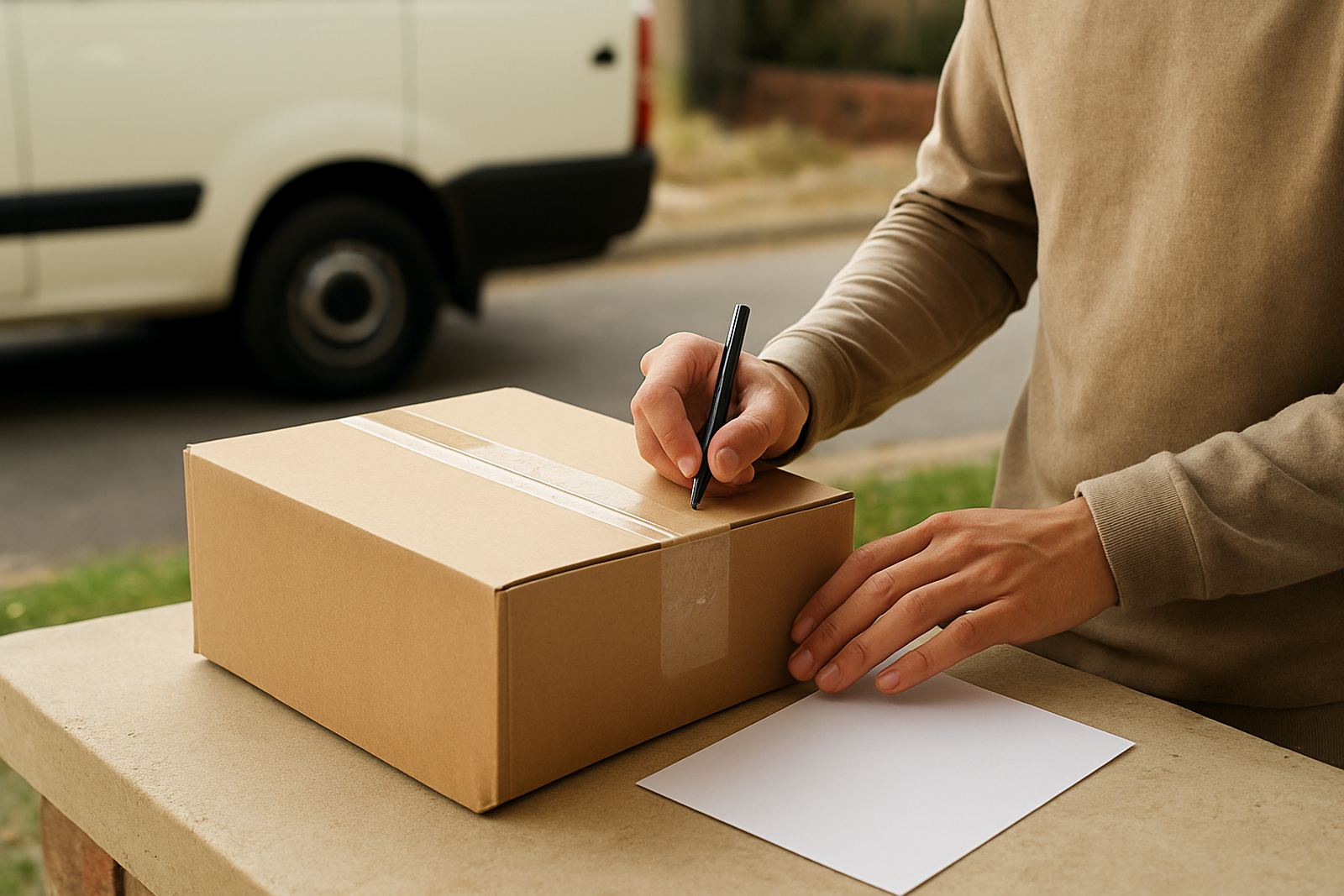
Good packaging is not about bulk, it is about restraint. A confidential file should be kept flat, sealed and marked clearly so it is easy to identify without being opened. For small parcels, we recommend plain outer packaging with no visible description of the contents. If the item is fragile or time-sensitive, the outer layer should still stay discreet.
In Gauteng, where drivers move through busy office parks, municipal buildings and retail centres, packages are often handled by more than one set of hands before they reach the final counter. A seal that shows tampering, a label with the recipient name only, and a document sleeve inside a larger envelope all help keep the contents private. In humid coastal conditions in Durban or on wetter days in Cape Town, this extra layer also protects against damp and curling edges.
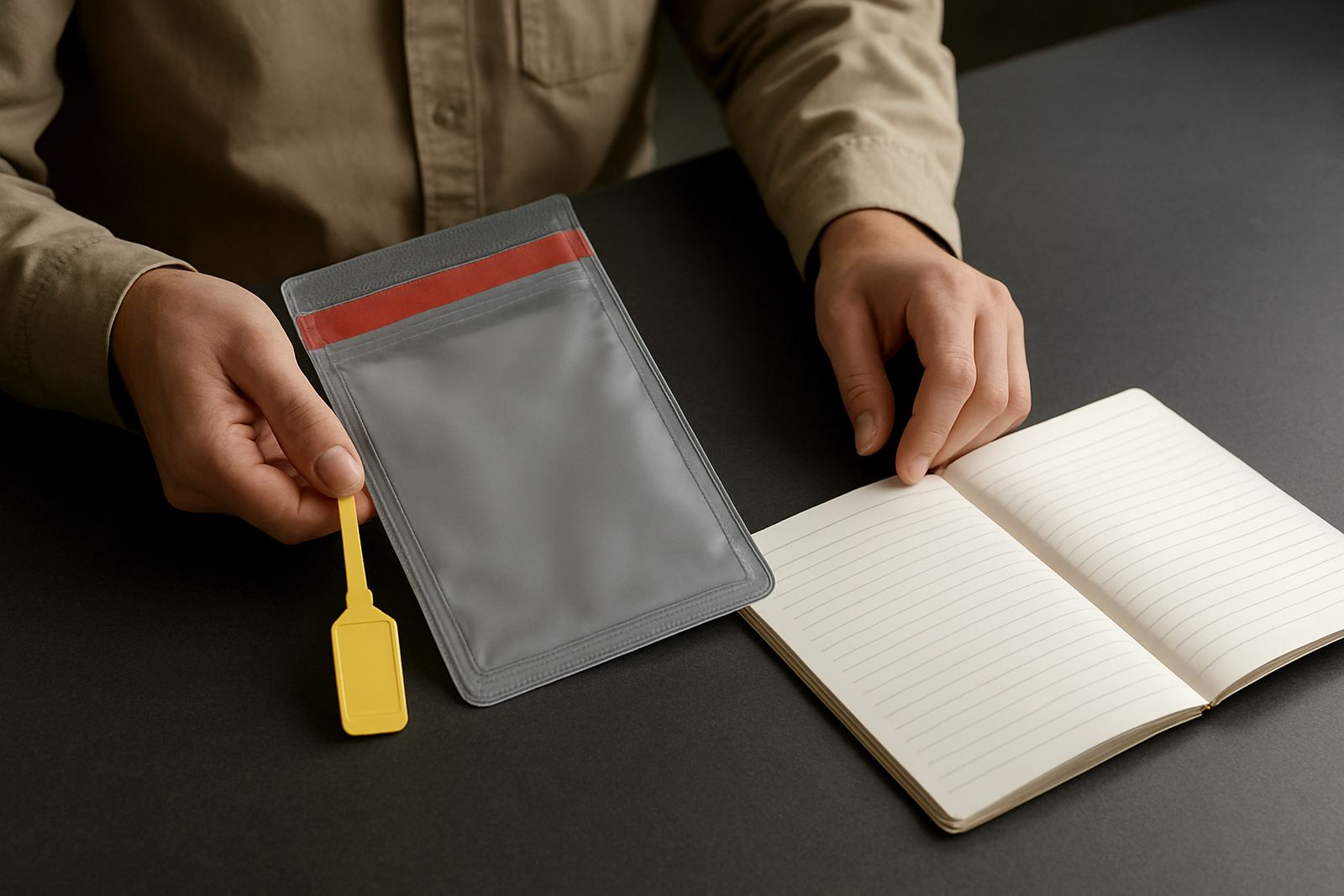
- Use tamper-evident sealing where possible
- Avoid marking the contents on the outside
- Keep pages flat to prevent damage in transit
- Separate original documents from copies when needed
Chain of custody is the part most people forget
Confidential work is only as safe as the handovers in the middle. If a document passes from one driver to another, or from dispatch to a branch team, each transfer should be logged. That way there is no confusion if a recipient asks who handled the parcel, when it left the depot, or why a delivery was delayed by traffic on the N1 or a gate backlog in Sandton.
We use structured dispatch control so that sensitive items stay visible to the team from collection to final drop-off. Zama Ngwenya oversees operations, while Nandi Zulu handles dispatch timing and Mishka Moodley keeps client service updated when a delivery window changes. That kind of coordination matters when the parcel is urgent and the client needs clear updates.
For companies with offices in Midrand, Randburg, Pretoria and the East Rand, a simple record system also helps with internal mail runs and repeat collections. It cuts down on lost time and makes accountability easier during month-end, audit season or tender cycles.
When same-day timing matters more than anything else
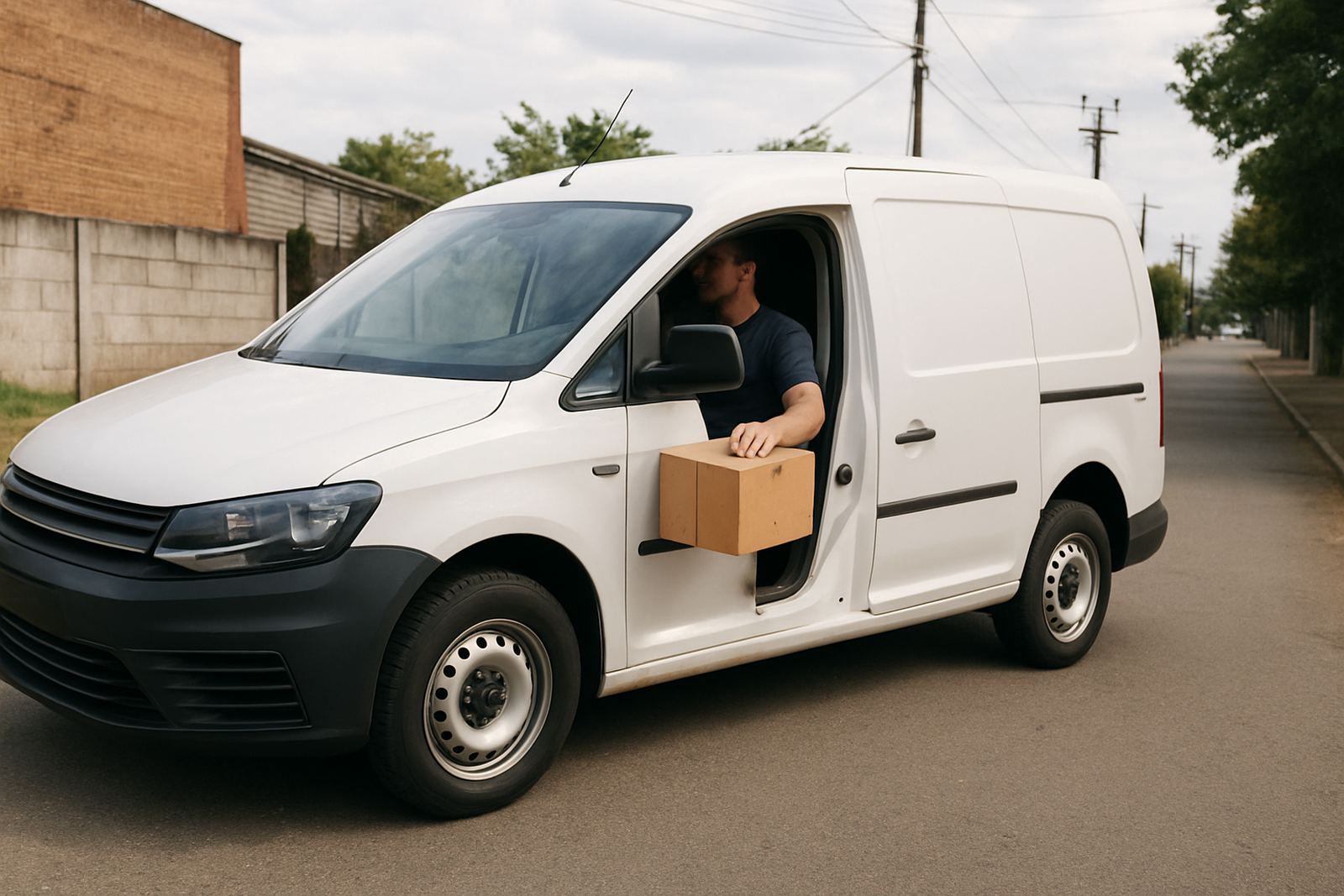
Some items cannot wait for tomorrow. Court papers, signed HR records, board packs and procurement files often need to move the same day they are released. In those cases, a dedicated courier run is usually the safest option because the vehicle is assigned to one job only, with no unrelated stops along the way.
Same-day movement across Gauteng is especially useful when a client needs a document collected in Midrand, signed in Johannesburg and delivered back to Pretoria before close of business. It also helps when load-shedding affects office hours and teams are working shorter windows, or when security access at a site only opens for a limited period.
For metro runs into Durban and Cape Town, the same principle applies. Book early, confirm the recipient, and allow for building access rules, parking limits and reception cut-off times. A good courier does not just drive fast, it plans the route properly.
- Priority bookings for urgent items
- Dedicated courier for one client or one job
- Scheduled routes for repeated office collections
- Multi-branch support for businesses with several sites
Practical examples from office floors and reception points
A common situation is a Midrand firm sending signed tender papers to a consultant in Sandton, then needing a copy delivered to a second office in Randburg before 4 pm. Another is a manufacturing business in the East Rand sending payroll packs to a regional manager in Pretoria, where the delivery must be handed to a named person only. These are ordinary jobs, but they need careful handling because the contents are private and often time-bound.
At reception level, problems usually start with assumptions. A guard may accept a parcel without checking the full name. A reception team may place an envelope on a shared counter. A busy office may forget to mark an item urgent. These little gaps are where confidential deliveries go wrong, so our process stays clear and direct.
Willem Botha, our compliance and safety officer, keeps the team focused on correct handling, while Kreeson Appalsamy manages vehicle readiness and route planning. That means the courier assigned to the job knows the pickup point, the recipient, and the delivery condition before leaving the base. It sounds simple because it should be.
How businesses can make confidential courier work easier
The best confidential delivery process starts inside the office. If your team prepares items consistently, the courier can move them faster and with fewer errors. That means using the same format for labels, the same approval step for sensitive files, and the same person to release urgent documents when possible. It also helps to keep a clean record of repeat routes, especially for branches that send mail every day.
For companies with account-based work, dedicated collections and scheduled routes reduce last-minute pressure. They also make it easier to support event logistics, internal mail runs and tender submissions without mixing routine parcels with sensitive items. If your business operates across Johannesburg, Pretoria, Durban or Cape Town, that consistency saves time and cuts down on follow-up calls.
Confidential handling is not complicated, but it does need discipline. When collection times are confirmed, packaging is plain, handovers are logged and delivery proof is supplied, the risk drops sharply. That is the standard we keep at A-Two, from our Midrand base across Gauteng and metro hubs further afield.