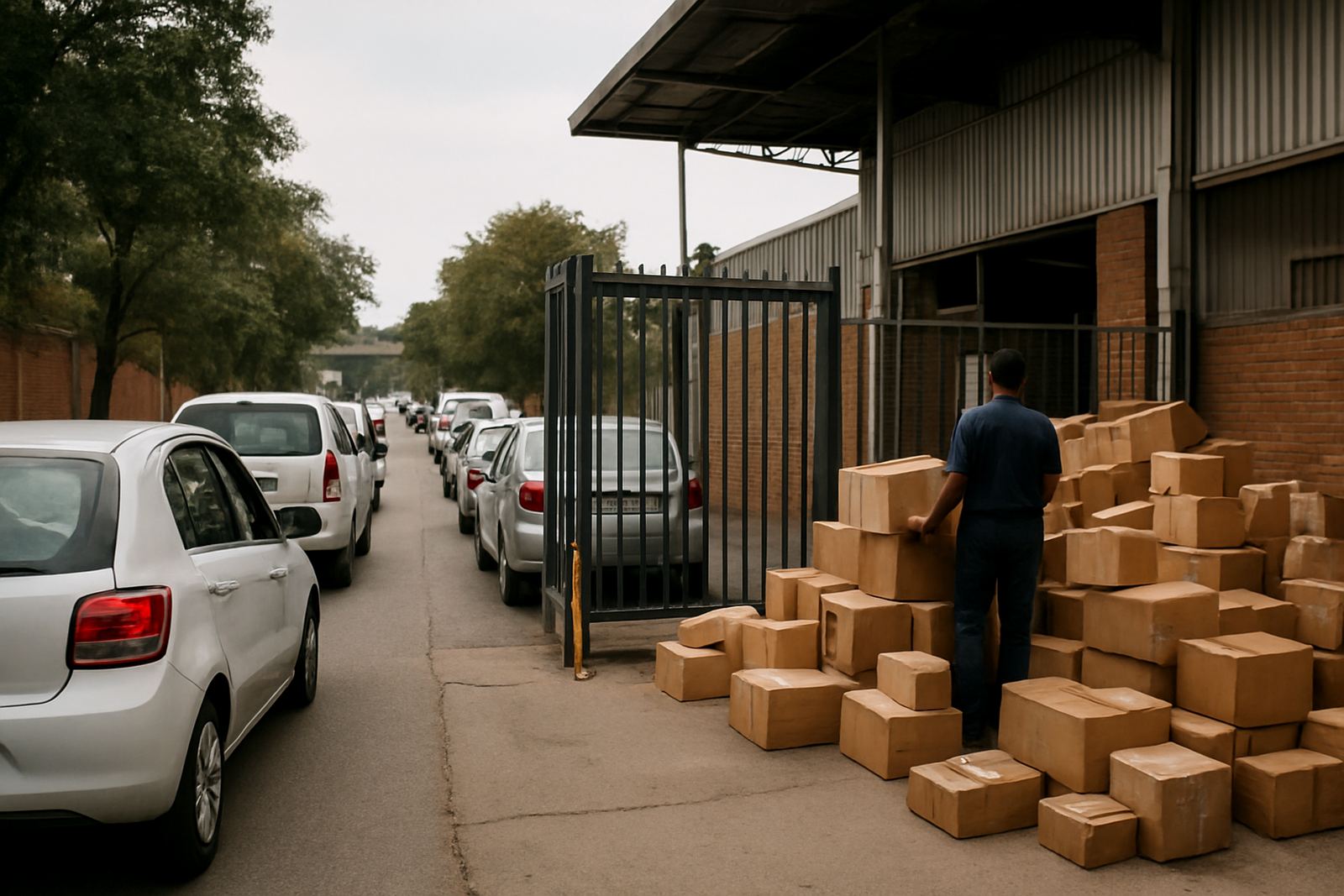

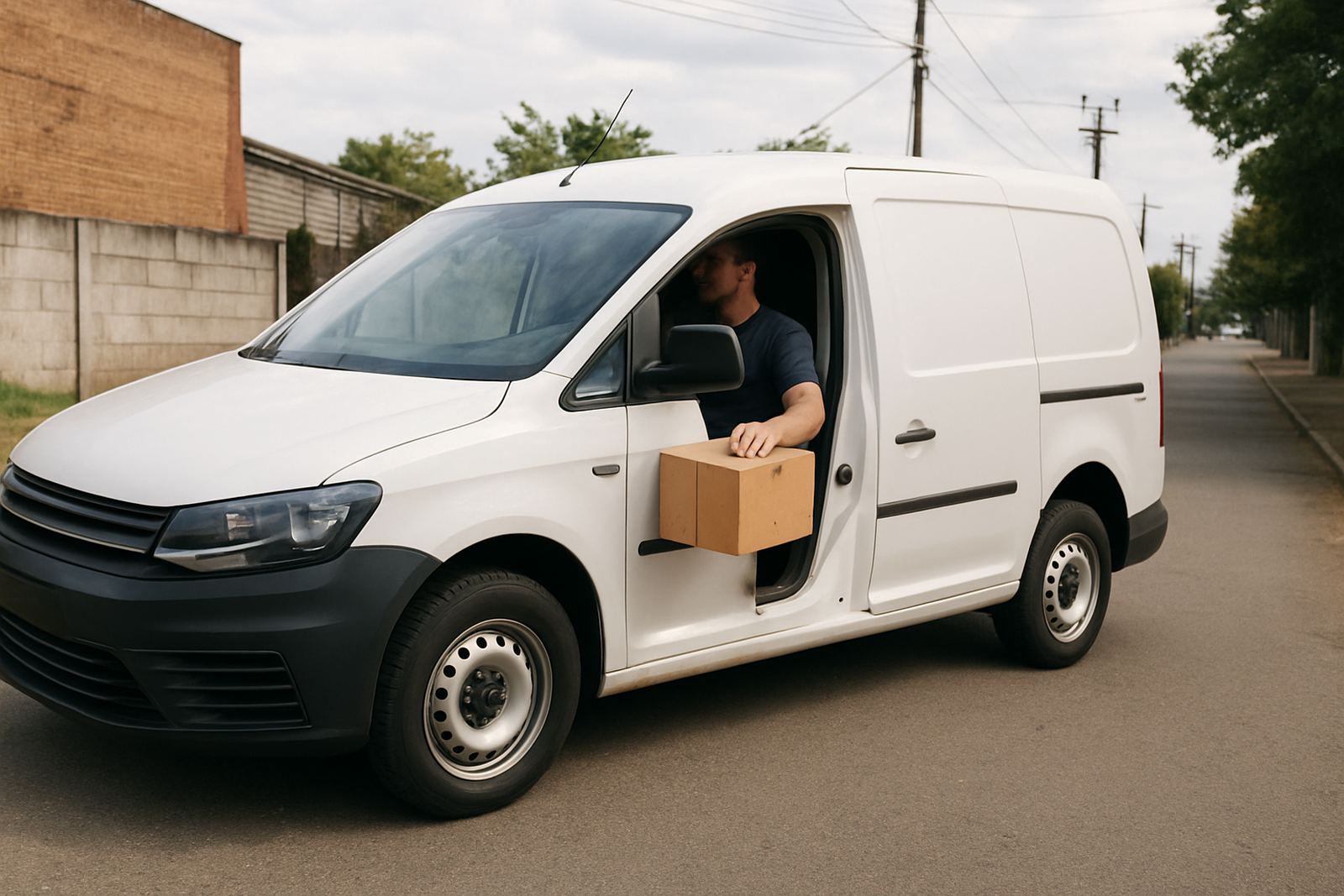
When a straight trip beats a route with multiple stops
A standard route works well for routine, flexible deliveries, but a dedicated A-to-B trip makes more sense when the item has a hard deadline or needs careful handling. If a tender pack must reach an office before close of business, or a signed contract needs to land on a decision maker's table in Midrand before noon, a direct run cuts out the delay that comes from other collections and drop-offs along the way.
That matters in Gauteng where traffic on the N1, M1 and busy industrial roads can change by the hour. A direct run is planned around your collection point and final address only, so there is less waiting, fewer handovers and a clearer delivery window.
What you gain from an A-to-B courier plan
The biggest advantage is control. With one shipment, one driver and one route, the risk of a missed connection drops right away. You also know who is moving the item and when it is expected to land, which helps when staff are waiting for originals, permits or signed forms.
- Less handling, which is useful for folded documents, sample packs and small sealed parcels
- Faster turnaround for same-day work between Johannesburg, Pretoria, Sandton and Randburg
- Clearer timing for client meetings, internal approvals and filing deadlines
- Better fit for private or sensitive paperwork that should not sit in mixed loads
For many businesses, the real saving is not only time. It is the admin that gets reduced when the delivery can be tracked as one simple job instead of a chain of stops.
Common jobs that suit direct runs best
Direct runs are not only for urgent emergencies. They are also sensible for planned work where reliability counts more than volume. A finance team sending signed originals to a head office, a law firm moving copies for filing, or a supplier sending a procurement pack to a municipal office all benefit from a focused trip.
- Contracts, affidavits and signed pages
- Tender submissions and supporting documents
- Small branded packs, samples and event materials
- Internal mail runs between branches in Gauteng, Durban or Cape Town
- Returns management for items that must go back the same day
These jobs tend to be time sensitive, and they are often easier to manage when they are sent direct. You avoid the extra wait that can come from a multi-drop schedule, especially on Fridays or month-end when every office is trying to get something out the door.
A Midrand example that shows the difference
Say a company in Midrand needs to get a signed supplier pack to Sandton by 2pm so a meeting can go ahead. On a standard route, the parcel may share space with several other collections, which can add an hour or more depending on traffic, load shedding delays at buildings and access control at each stop. A direct run changes that picture. The driver leaves the Midrand base, heads straight to the pickup, then goes directly to Sandton with no extra detours.
In practice that can be the difference between a meeting going ahead or being pushed to the next day. It also keeps reception teams from having to chase updates because the job is simple and the handover is limited to two points only.
How to decide if direct run is worth the Rand
The best way to judge value is to compare the courier charge with the cost of delay. If a late document could lose a tender, upset a client or hold up a payment, the direct run usually makes sense. If the item is not urgent and can wait for a planned route, a shared service may be enough.
Ask yourself three questions before booking:
- Does the item have a fixed deadline today?
- Does it need to stay in one vehicle with minimal handling?
- Would a delay create extra admin, risk or lost business?
If the answer is yes to any of these, a dedicated run is worth serious consideration. It is a practical choice, not a luxury, and it often saves more than it costs when the pressure is on.
Why local knowledge matters on direct work
Direct runs still need good planning. A courier moving between Gauteng hubs must know peak traffic times, office park access rules and the way security gates work in places like Sandton, Randburg and Pretoria. Coastal work brings different issues, with Durban humidity and Cape Town weather sometimes affecting packaging and handover timing, so the team must plan for that too.
At A-Two, the Midrand base supports same-day work with a clear focus on punctuality, proof reporting and proper handover. That means the right vehicle goes out, the route is set carefully and the job is managed by people who understand the pressure of time-sensitive deliveries, no nonsense.
The practical takeaway for businesses and individuals
Choose a direct run when certainty matters more than sharing the trip with other parcels. It is the safer option for sensitive documents, important originals and small items that must arrive without extra stops. For routine work, a scheduled route may be enough, but for urgent deliveries the direct option gives you more control and less risk.
That is why many clients use direct runs for one-off tasks as well as repeat jobs. It keeps the process simple, the timing clearer, and the outcome easier to trust.