
Why small parcels are often the most at risk
People usually think damage happens to big boxes, but small goods can be far trickier. A watch part, glass sample, medical item, laptop charger, seal, hard drive, lens or printed original can move around inside a parcel if it is not packed properly. In a busy same-day network, that movement becomes impact, and impact becomes breakage.
Fast courier work in Midrand, Sandton or the East Rand means parcels may be handled more than once before delivery. There can be collection, sorting, linehaul transfer, rider loading and final handover. If the item is light and loose, even a short trip can cause chips, scratches or crushed corners.
Humidity also matters. Coastal runs into Durban and Cape Town can expose paper, labels, adhesives and some packaging to moisture. In summer, heat and stop-start traffic can soften tape and make ordinary cardboard lose shape. That is why fragility is not only about the object itself, but the whole journey.
Pack for movement, not for the shelf
A common mistake is wrapping the item once and hoping the outer box will do the rest. The parcel needs to survive movement, stacking and a few knocks. Start by choosing a box or mailer that fits the item closely, then add internal cushioning so the contents cannot shift. If there is space for rattling, there is space for damage.
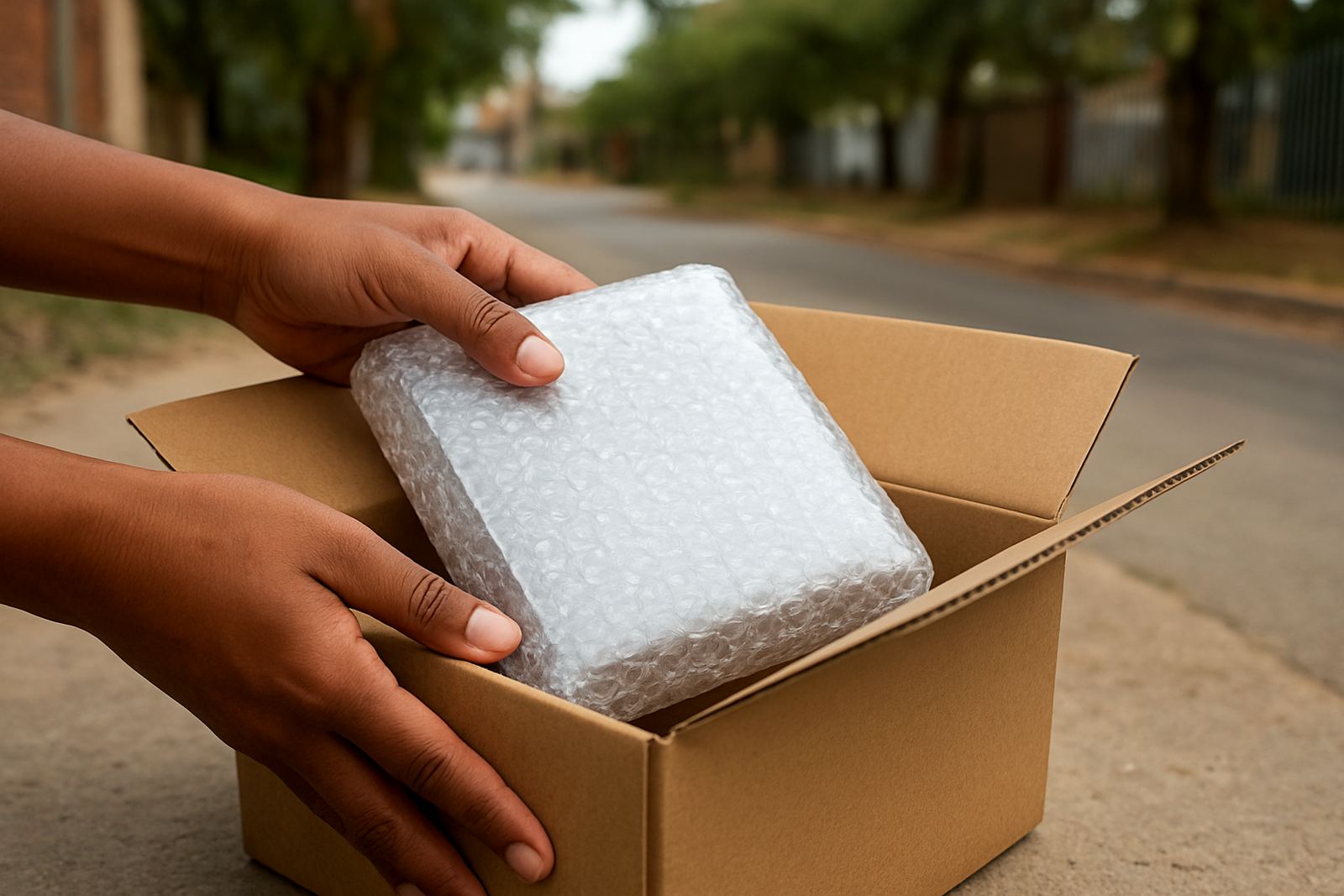
Use a first layer directly on the item, then a second layer that blocks movement. Bubble wrap, foam sheets, corrugated inserts and paper void fill all have a role. For very small items, a zip pouch or inner bag can keep components together before they go into the outer parcel. Keep sharp corners away from the sides of the box, otherwise the box will wear through under pressure.
- Wrap each item separately, even if the items are going to the same address.
- Fill all empty space so the contents cannot slide side to side.
- Seal the parcel with proper packing tape on all seams.
- Use a rigid outer box where possible, not a soft envelope for delicate items.
Label clearly so handlers know what to do
Clear marking helps, but it should never replace proper packing. A parcel marked fragile still needs protection, because the marking only tells the team to handle it with care. Good labels help with placement in the vehicle, stacking order and final handover.
When sending small delicate goods through a same-day service, include the recipient name, branch or site, contact person and a brief item description on the booking note. If there are special instructions such as upright only, keep dry, or deliver to reception, add them early. The more specific the note, the less chance of confusion at a busy collection point.
We often see delays caused by vague labels. A box marked only with a surname may be fine in a quiet office, but not in a multi-branch setup with several daily handovers. For account clients and recurring routes, item notes help the dispatcher load the parcel in the right order, and that saves time at the other end.
Match the packing to the route and the weather
Not every route has the same risk. A short run from Midrand to Sandton is not the same as a cross-metro transfer to Durban or a coastal delivery in Cape Town. Traffic, road vibration, loading points and weather all change how a parcel should be prepared. A paper file bundle may only need a flat, sealed envelope with a stiffener, while a delicate product sample may need a box with insulation and extra padding.
For routes affected by rain, mist or heavy humidity, it helps to use moisture-resistant outer layers and a sealed inner bag. For heat, avoid leaving parcels in direct sun at collection sites or in the back of a vehicle for long periods. If the item is temperature-sensitive, say so at booking and keep the handover short.
- Use waterproof sleeves or sealed liners for coastal runs.
- Add a stiffener to documents, certificates and artwork prints.
- Keep fragile parcels away from loose tools, keys or heavy stock.
- Choose priority booking when timing and handling are both important.
What businesses should do before a same-day collection
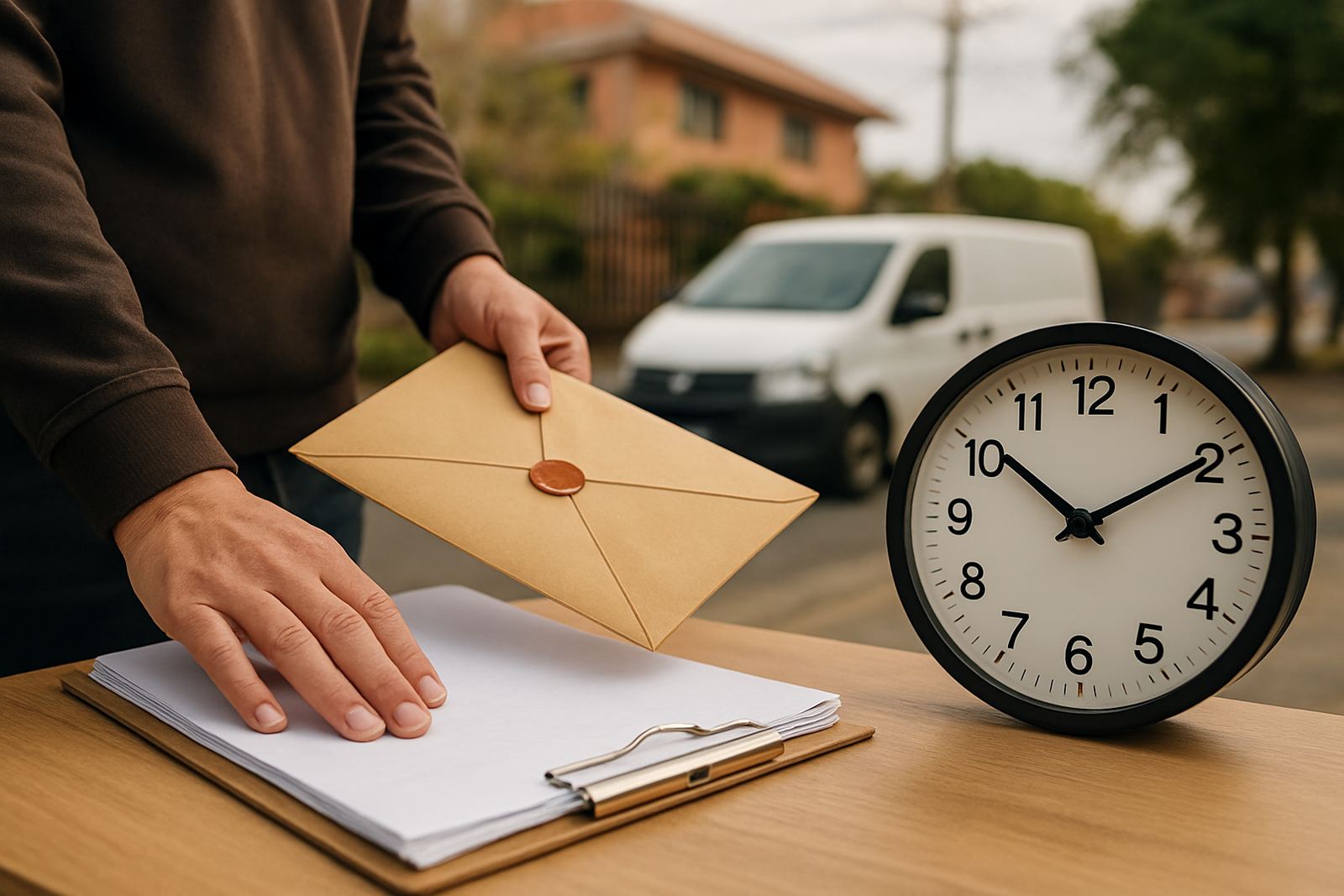
Good preparation starts at the sender side. If you are moving tender submissions, internal mail, signed contracts or small stock items between branches, assign one person to check the parcel before handover. That person should confirm the item count, packing quality and destination details. It takes a minute and can save an entire return trip.
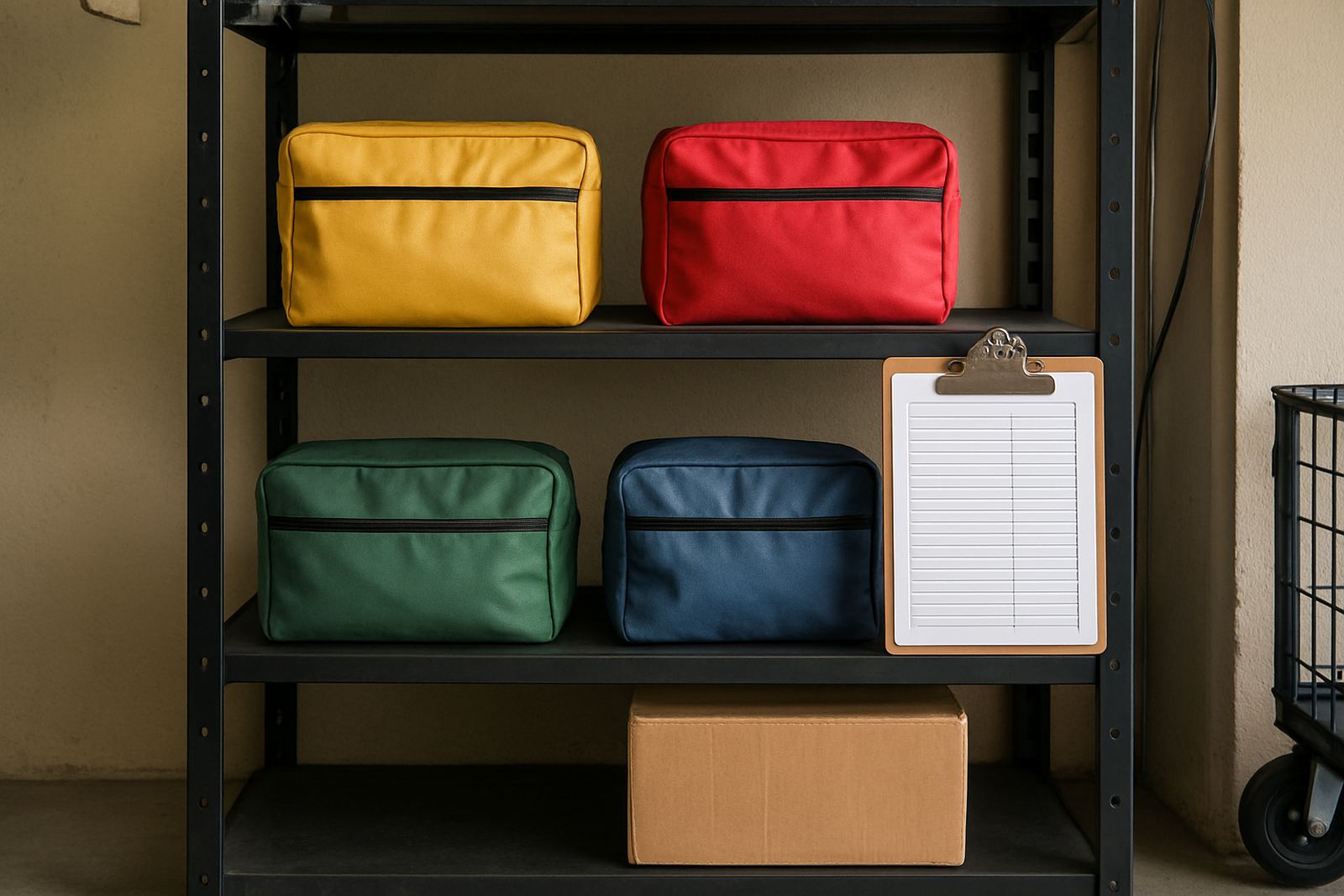
For office collections, keep fragile items in one marked area rather than scattered across a counter or reception shelf. This avoids mix-ups when a driver arrives during load-shedding or a busy peak period. If there are multiple outgoing parcels, group them by urgency and make it clear which one must go first. Small delays become big problems when a document is tied to a tender deadline or a client sign-off.
When the item is especially delicate, take a photo before collection. That gives both sides a reference point if there is any concern later. It also helps with internal tracking for claims or proof reporting. In our experience, the clearer the handover, the smoother the delivery. Simple as that.
A Midrand example from the real working day
Picture a business in Midrand sending a small sealed parcel to a Sandton office and then forwarding two more items to Pretoria the same afternoon. One parcel contains a signed original, another has a set of electronics parts, and the third is a delicate product sample. All three are light, but only one loose parcel can cause trouble. If the sample box has empty space inside, the contents can shift on every speed bump between office parks and the highway.
With a proper same-day process, the collection note states the item type, the receiving contact and the handling priority. The parcel is packed tightly, marked clearly, and logged for proof reporting. The dispatcher can then place it in the right load sequence and the delivery team can hand it over without confusion. That is how a small item stays safe while the route stays on schedule.
For clients with repeat work, scheduled routes and account management make this easier. The same packing standard can be used every week, and that means fewer errors, less repacking and less risk. It also helps in branches where different teams handle the same documents, because the process stays consistent.
The safest habit is to plan for the worst bump
Fragile small items do not need special treatment every time, but they do need sensible treatment every time. Assume the parcel may be stacked, tilted, slowed suddenly or handed from one person to another more than once. If it can survive that, it will usually survive the rest of the trip too.
For businesses and individuals using same-day courier services across Gauteng and metro hubs in Durban and Cape Town, the best protection is a combination of strong packing, clear notes and realistic timing. That approach keeps documents clean, small goods intact and delivery teams moving efficiently, even on a busy day. It’s practical, and it works.