
Why submission delays happen more often than people think
Most late deliveries are not caused by a long route alone. They happen when a document is collected too close to the cut-off, when the sender is not ready with the final version, or when the delivery point has strict receiving hours that nobody checked in advance. In Johannesburg, a pack can move quickly from Midrand to Sandton or Pretoria, but one missing signature or a queue at reception can still make the difference between accepted and rejected.
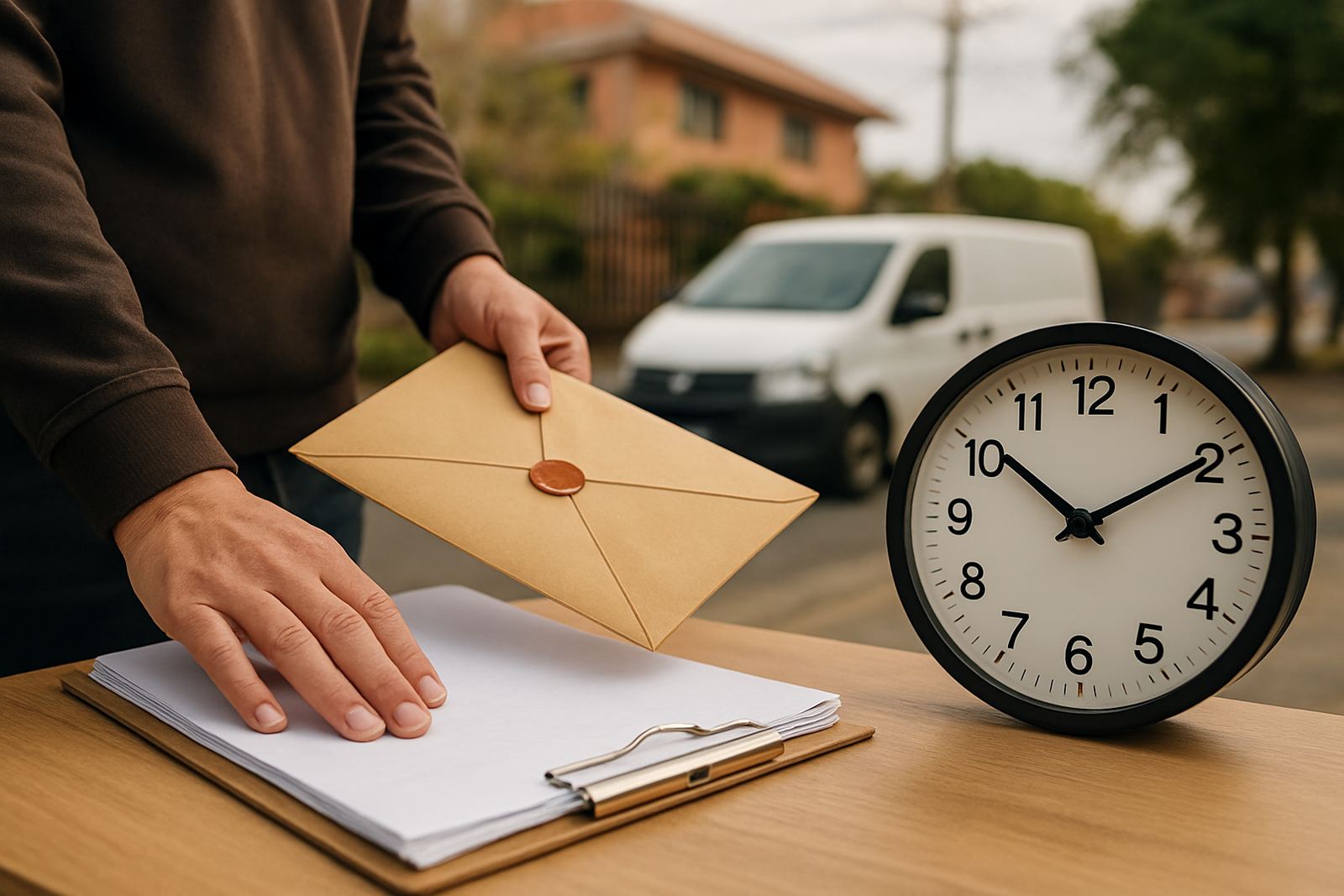
Tender offices, municipal filing counters and corporate security counters often work to very fixed times. Some will close the receiving window early if there is a backlog. Others require the name of the recipient, the reference number, or a proof of delivery slip before they will sign. If those details are not ready at collection, the courier ends up waiting, and the chain gets slower from there.
In our work, we see the same pattern again and again: the package is ready, but the sender has not checked the route, the deadline, or the backup contact. That is how a simple delivery becomes a rescue job.
Common mistakes that put tender packs at risk
There are a few errors that cause most of the trouble. They sound small on paper but they can change the outcome of a submission.
- Leaving printing, signing, or binding until the last hour
- Sending a tender pack without checking the exact receiving address
- Using a courier with no clear handover note or reference number
- Assuming building security will release the item without the correct name
- Booking a delivery after traffic has already built up on the N1, R21 or M roads
- Not accounting for load shedding, especially where the sender still needs to finalise copies or scan proof
Another common issue is overpacking. A tender file that is too bulky for a small document bag can tear, bend, or become difficult to sign for. For filing deliveries, a clean envelope or secure satchel is often better than a large loose box. Keep the contents flat, legible and arranged in the same order as the receiving office expects.
What a proper pre-collection check should cover
Before a same-day run leaves Midrand, the pack should be checked as if the recipient will inspect it line by line. That means the sender confirms the final version, the reference number, the destination, and the contact person who will receive it. It also means checking whether the office wants physical delivery before lunch, by close of business, or before a specific tender box time.
For busy teams in Gauteng, this is usually the point where delays are prevented. A good handover saves time later. If the recipient is in Sandton, Randburg, East Rand or Pretoria, the route can be planned around peak traffic and building access. If the destination is a metro hub in Durban or Cape Town, the courier can be routed for same-day receipt with enough margin for security checks and parking delays.
Useful items to confirm before collection include:
- The full name of the recipient and department
- The exact physical address, including floor or suite number
- The deadline or receiving window
- The reference, tender number, or filing number
- Any access instructions for security, loading bays, or reception
How same-day courier planning protects deadlines
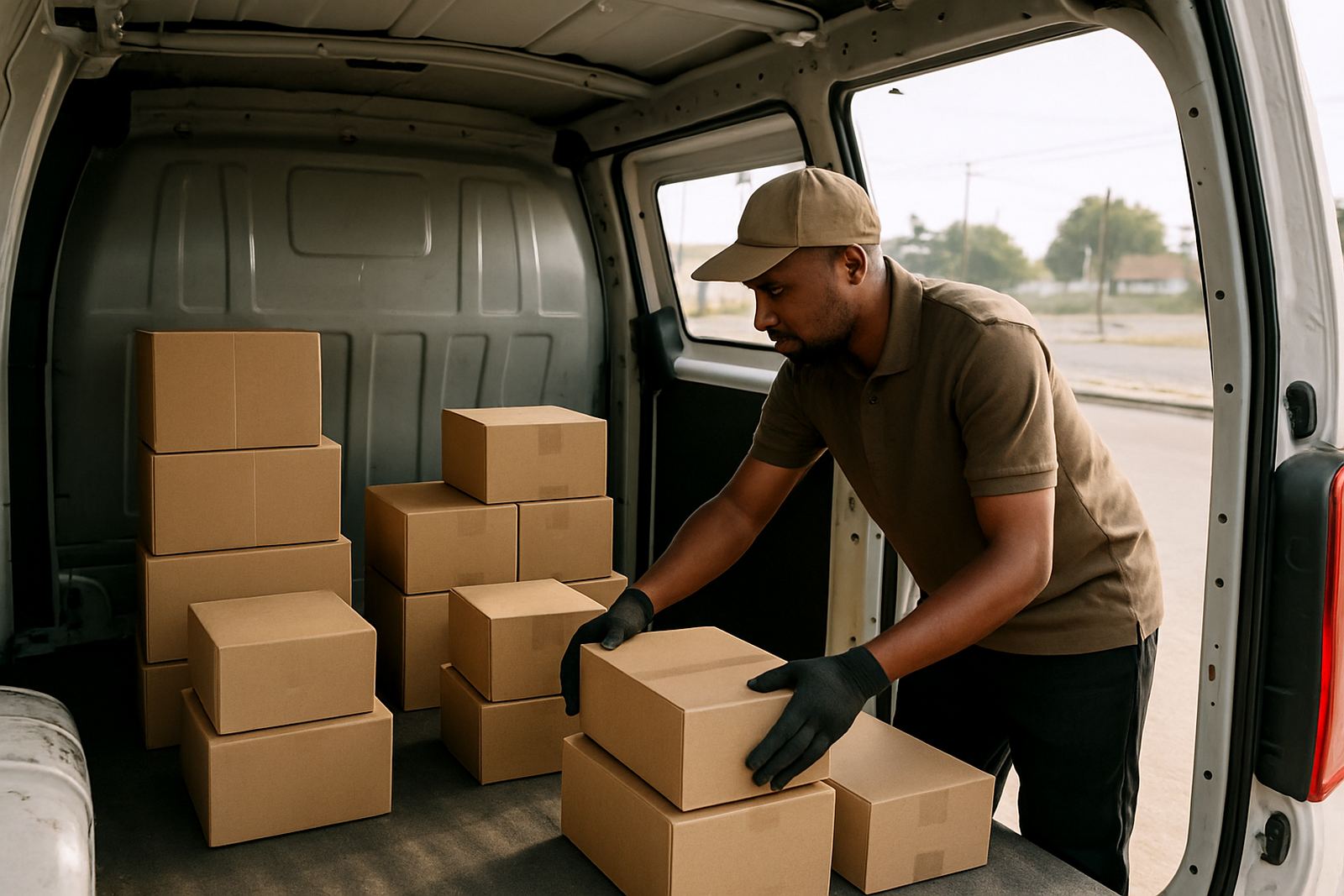
Same-day delivery works best when it is treated as a scheduled process, not a rushed favour. A collection from Midrand in the morning can still reach many Gauteng points the same day, but the senders who succeed are usually the ones who start early. They allow time for traffic, building access, and a second attempt if the first handover point is busy.
For tender submissions, timing matters more than almost anything else. If the destination is a public office or a large corporate head office, it may be worth booking the run with a clear service level rather than waiting until the final hour. A dedicated courier can hold one route, one package and one deadline in focus. That is often better than sending a driver with a mixed load and hoping everything lines up.
In Durban, humidity can affect paper if a document sits in a vehicle for too long. In Cape Town, wind and wet weather can make short walks between parking and reception slower than expected. Even in the city, small practical details matter. A sealed pack, a protected envelope, and a proper proof trail help keep the delivery intact and on time.
A local example from Midrand to a Pretoria filing counter
A common situation is a client in Midrand with a statutory filing deadline in Pretoria. The documents are ready, but the final signed page is still being scanned just before collection. If the courier leaves too early, the pack is incomplete. If it leaves too late, the receiving office may close before the item is logged. The result is avoidable pressure on everyone involved.
The better approach is simple. Prepare the final pack earlier in the day, confirm the recipient and deadline, then send a direct run with proof reporting. That way the sender knows when the item left, who signed for it, and whether any issue came up at the gate. For businesses that handle recurring filings, this kind of reporting also helps build a clear internal record for audits and follow ups.
When the same process is repeated for monthly submissions, a business stops losing time to last-minute scrambling. It also becomes easier to train staff on what must be ready before a courier arrives.
A practical checklist for avoiding late deliveries
If your team handles tender packs, legal filings, or internal compliance documents, a short checklist can prevent most delays. Keep it near the printing point or document control area so the same steps are followed every time.
- Confirm the deadline and the receiving office hours
- Check that every page is signed, stamped or initialled where needed
- Verify the destination address and recipient name
- Use the right packaging for the size and condition of the documents
- Book the courier with enough time for traffic and building access
- Ask for proof reporting after delivery
These steps may seem basic, but they are the ones that protect your submission when the day gets busy. The businesses that stay ahead are usually the ones that treat delivery as part of compliance, not as an afterthought. That mindset matters whether you are sending one envelope or managing repeated runs between branches.
Why a steady courier partner helps more than a last-minute scramble
A reliable courier partner gives you consistency. You know how collections work, who to call through the enquiry form when there is a change, and what level of proof you will receive after handover. For companies with branches in Johannesburg, Sandton, Randburg, Pretoria, the East Rand, Durban and Cape Town, that consistency matters because not every delivery point behaves the same way.
At A-Two, the focus is on same-day runs for documents and small parcels, with practical support for daily collections, scheduled routes, dedicated courier work, returns management, internal mail runs, event logistics and tender submissions. That structure helps clients avoid the common mistakes that turn a simple delivery into a late one. It also makes it easier to plan around peak traffic, municipal cut-offs and the realities of doing business across South Africa.
In the end, avoiding submission delays is less about speed alone and more about preparation. When the pack is ready, the route is planned, and the handover details are clear, the delivery usually takes care of itself.