
Start with one clear intake point for every item
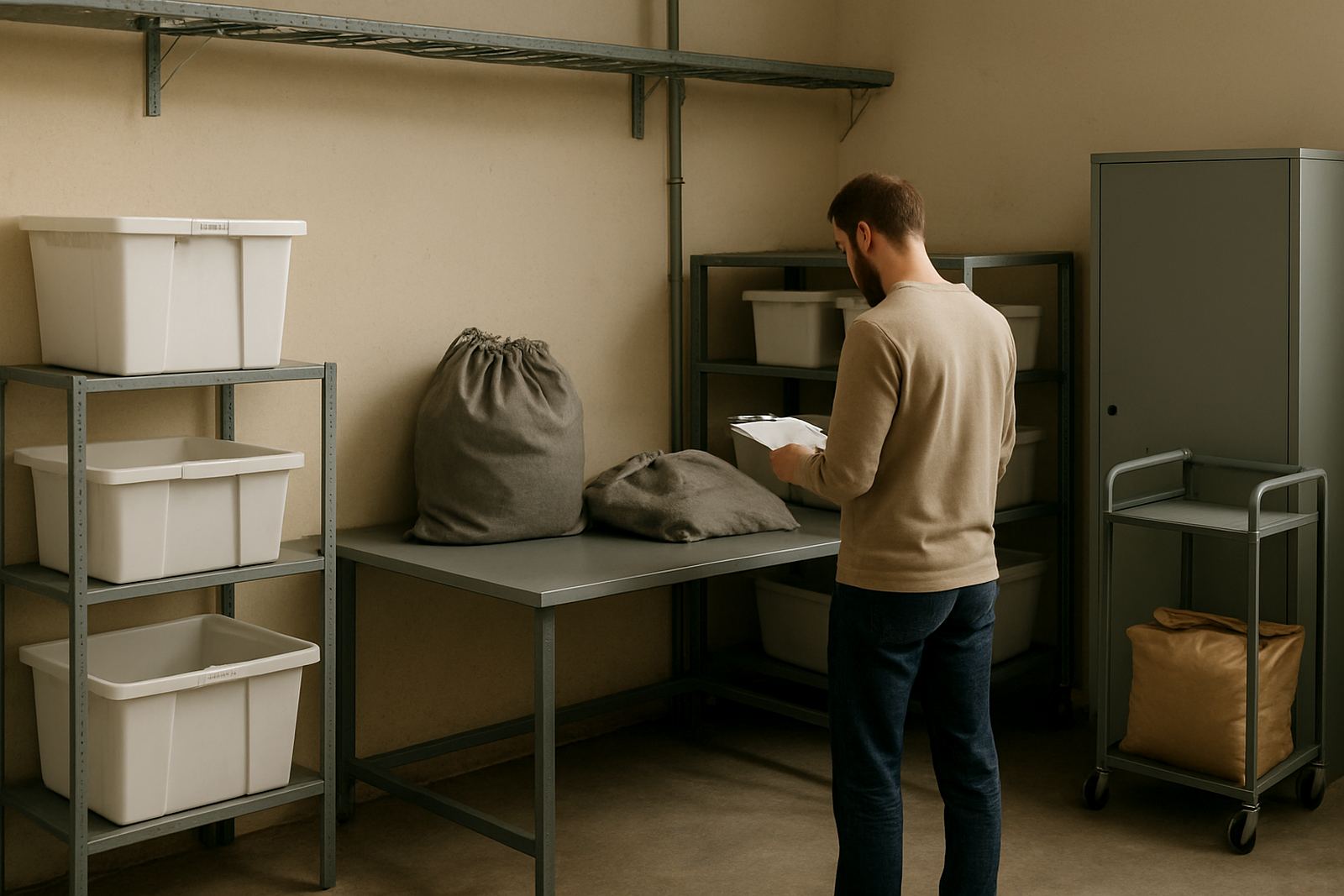
The quickest way to slow a mailroom down is to let items arrive from everywhere at once. Set one intake point for documents, parcels and returns, then keep that point staffed at the same times every day. In a Midrand office with staff moving between meetings and client calls, a single intake table or shelf works better than items being left at reception, finance and security.
Every item should be logged the moment it arrives. Keep the process simple: sender, recipient, branch, time received, urgency and whether proof of delivery is required. If your team handles internal mail runs between Sandton, Randburg and Pretoria, this first step avoids guesswork later. It also helps when load-shedding or building access delays shift your dispatch times slightly.
Use a dispatch cut-off that everyone actually follows
Internal and external dispatch works best when staff know the daily cut-off time and trust it will be enforced. Pick a time that suits your building access, lifts and collection schedule. For many offices in Johannesburg and Midrand, a 14:30 or 15:00 cut-off gives enough time to sort items before the afternoon run. If you wait too late, documents miss the same-day window and small parcels sit overnight.
Post the cut-off in visible places and repeat it in staff notices. Make sure reception, procurement, legal and executive assistants all use the same time. One late envelope can hold up a full run if the courier is already on site. A firm cut-off also makes it easier to plan scheduled routes for Durban and Cape Town branch support.
- Set one daily cut-off for ordinary items
- Keep a separate priority tray for urgent documents
- Record late arrivals for review rather than adding them to the same batch
Sort by destination, urgency and handling needs
Sorting by department alone is not enough. A better mailroom process groups items by destination, urgency and handling requirements. A tender submission for a Sandton office should not sit with routine internal mail. Nor should a moisture-sensitive packet be packed with items going to a coastal site in Durban where humidity can affect packaging.
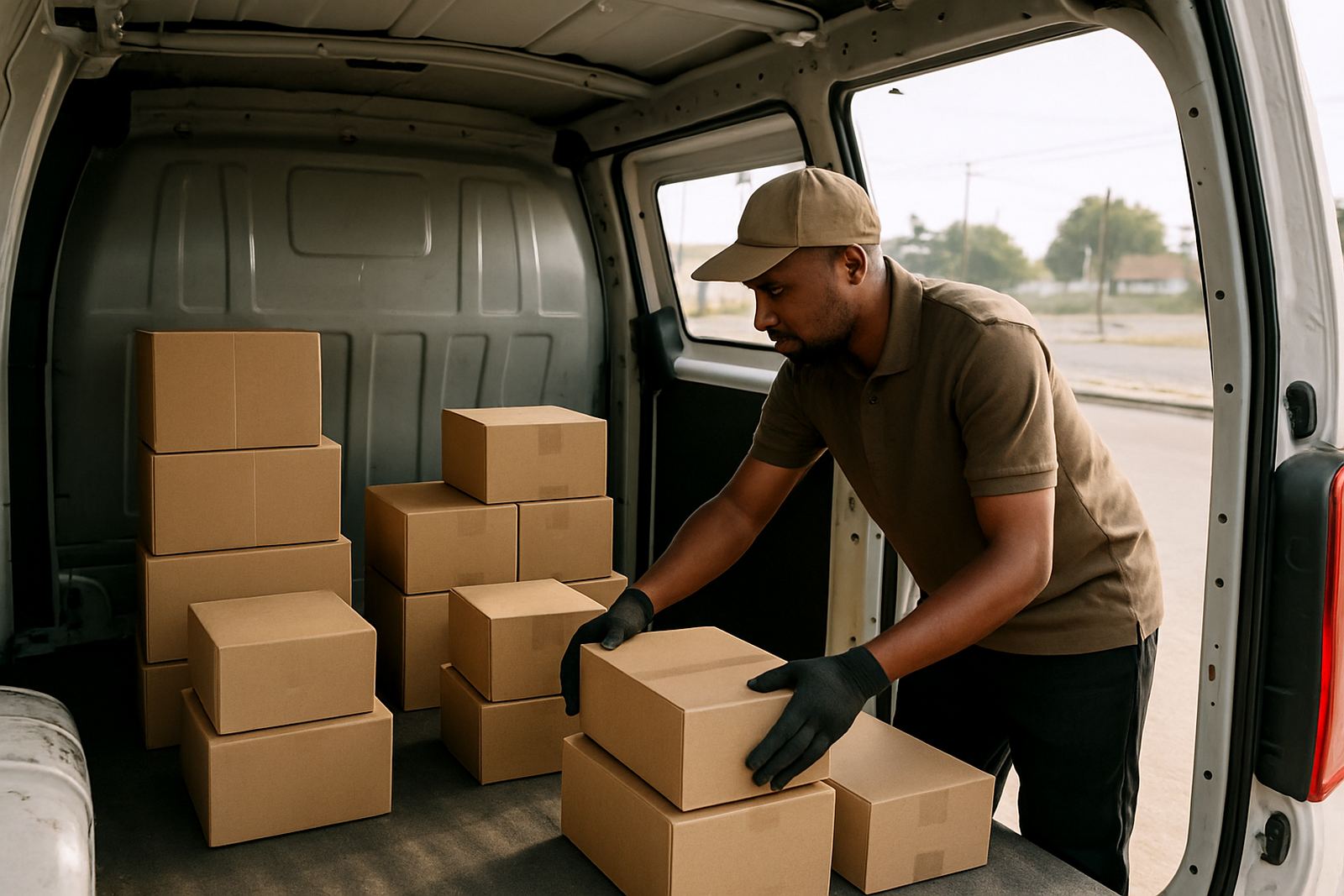
Use labelled trays or crates for local, regional and long-distance runs. Separate items that need signatures from those that can be dropped off and scanned. If you have a returns stream from multiple branches, keep those in a different zone to avoid mix-ups. This saves time when a dedicated courier arrives and needs to load quickly without opening every parcel.
- Local same-day items
- Priority documents and tender packs
- Returns and internal mail
- Fragile or moisture-sensitive items
Label clearly and keep address details consistent
Most delays happen because a label is unclear, incomplete or written in a different format from the rest of the batch. Use the same layout every time: name, department, building, street address, suburb and branch code if your business uses one. For Gauteng deliveries, a clear Midrand or East Rand destination can save a driver from phoning around in traffic and wasting time.
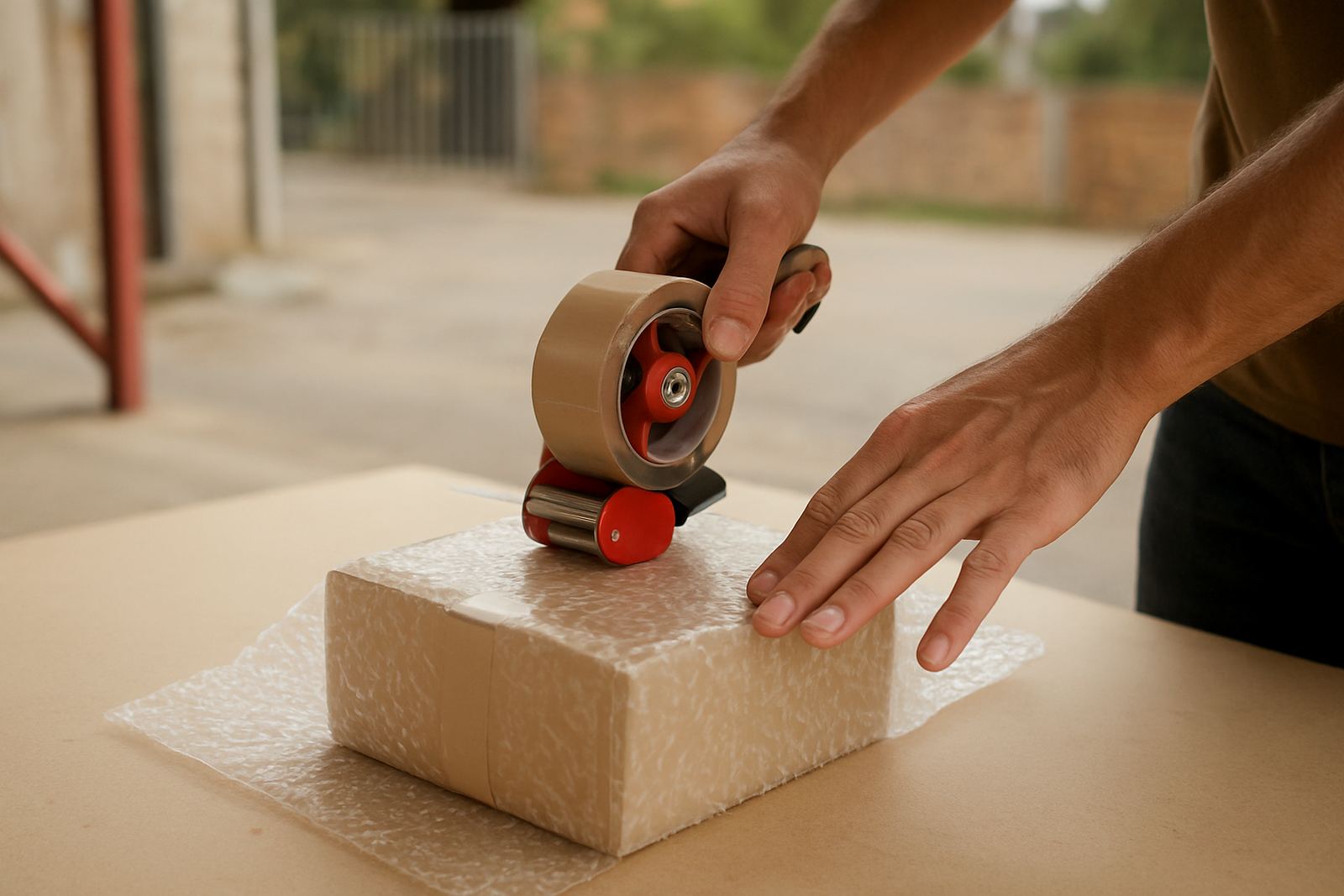
Where possible, print labels rather than writing them by hand. If handwriting is unavoidable, use block letters and dark ink. Add a return contact name inside the pack for documents that may need to come back. This is especially useful for legal, finance and compliance items where a missing reference number can stall processing. Small details matter, and a neat label reduces the chance of a delivery being reworked.
Create a proof trail for every handover
Proof of delivery should not be something you chase after the fact. Build it into the mailroom process from the start. When a driver collects, note the time, item count and condition of the parcel. When the item reaches the next site, record who signed, the time delivered and any exception such as a closed office or security delay. That record helps if a client asks when a document left Midrand or whether an item reached Cape Town on the same day.
For businesses with multiple branches, proof reporting also helps managers see patterns. If one site is regularly late with handover, you can fix the cause instead of blaming the courier every time. A clean paper trail is useful for tenders, audits and monthly account reviews too.
- Collection time
- Item count and condition
- Receiver name and signature
- Delivery time and exceptions
Make space for peak days and urgent runs
Mailrooms often run fine on quiet days then struggle when orders, tenders or board packs all arrive together. Build a little spare capacity into your routine so one busy day does not throw the whole week out. Keep extra bags, labels and secure envelopes on hand. If your office is in a building with controlled access, make sure security knows how urgent pickups are handled after hours or during lunch breaks.
In Johannesburg, traffic patterns can change quickly with roadworks, rain or major events. A good mailroom plan allows for that. Use scheduled routes for predictable volumes and reserve priority bookings for items that truly cannot wait. If your team supports branches in Pretoria, Sandton and Durban at once, batching the work by route keeps things orderly and reduces wasted movement.
Keep the mailroom useful for people, not just parcels
The best mailroom is one that helps staff work faster without asking them to learn a complicated system. Train people on the basics: where to leave outgoing items, how to mark urgent documents, who to call when something is missing and how returns are handled. A short induction works better than a long policy nobody reads.
For a Midrand base serving Gauteng and metro hubs further afield, the goal is simple. Every item should move from A to B with minimal fuss, and everyone should know what happens next. That kind of routine is what keeps internal mail runs, document exchange and same-day courier collections steady even when the day gets busy.
- One intake point
- One cut-off time
- One label format
- One proof process