
Start With the Right Box Size, Not the Smallest One
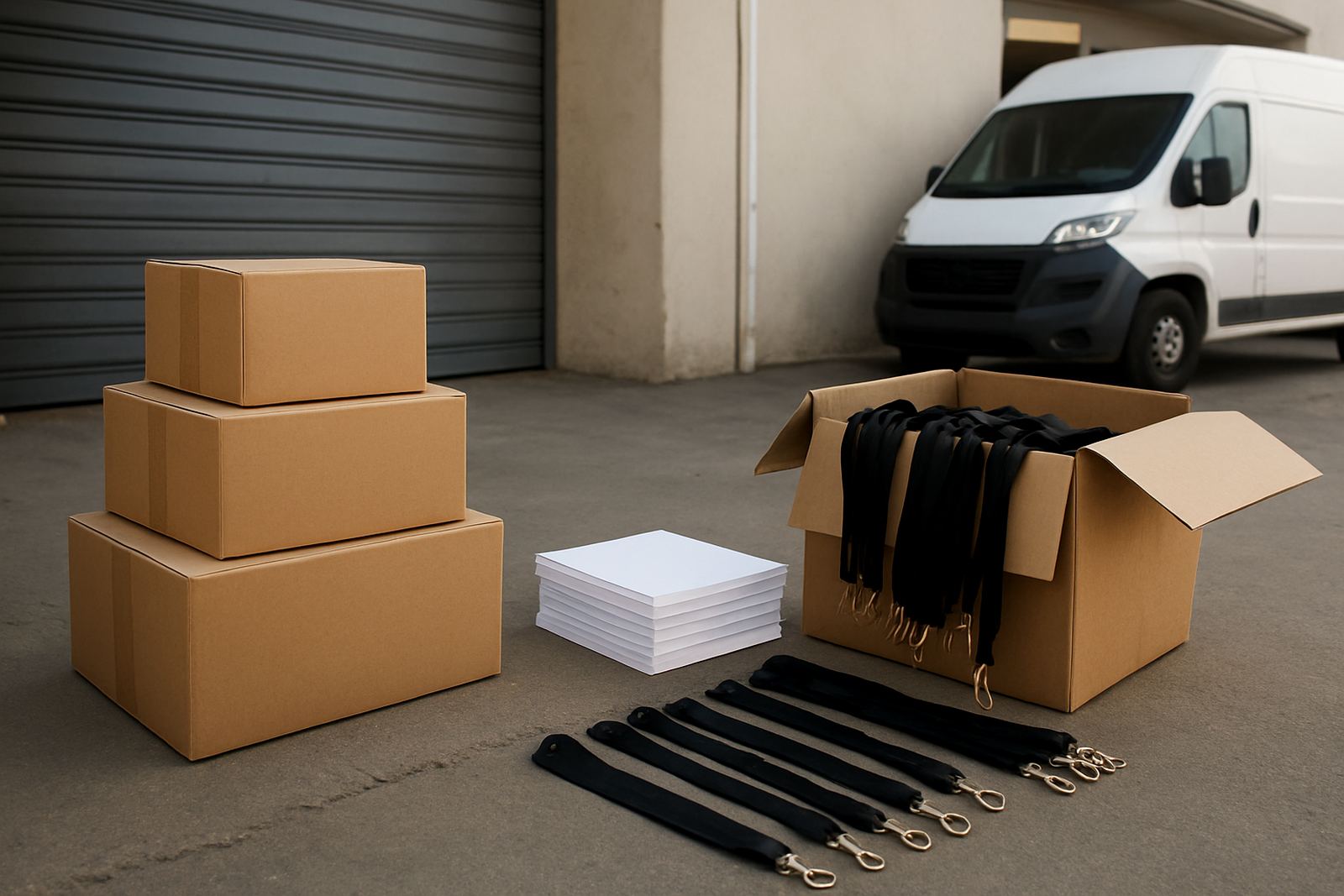
When people pack a small item, the first mistake is often choosing a box that is too tight. If the item presses hard against the sides, any knock in traffic or at a collection point can transfer straight into the contents. A little free space is useful, provided it is filled properly with padding. The goal is to stop movement, not squeeze the item until it creaks.
For documents in a rigid envelope, a slim padded satchel or board-backed mailer is usually enough. For electronics, small parts, cosmetics, samples or retail stock, use a corrugated box with enough depth for cushioning on all sides. If the parcel travels from Midrand to Sandton, then on to Durban or Cape Town on a same-day run, it may pass through more than one hand and vehicle load. That is where a properly sized box helps. A box that is too big can be just as risky because the item can slide around, even if it looks secure at first.
Protect Fragile Contents With Layers That Work Under Pressure
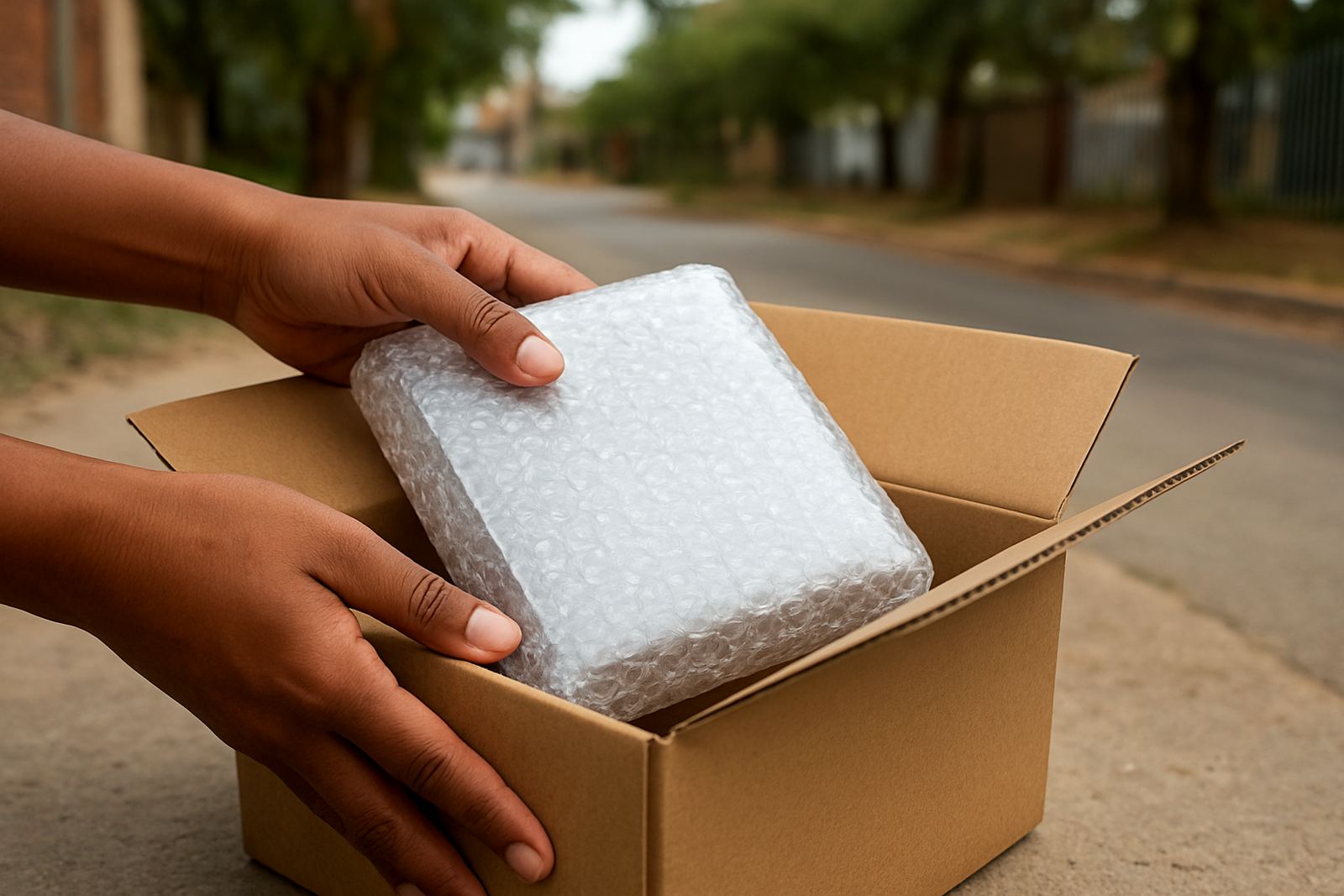
Light items still need structure. Wrap each item separately if there is more than one piece inside the parcel. Use bubble wrap, foam sheet, corrugated inserts or plain paper as a first layer, then fill the empty spaces so the item does not shift. If the parcel contains glass, chargers, samples or small fittings, a second inner box can help keep pressure off the item during stacking.
- Wrap the item so there is at least 2 to 3 cm of cushioning on every side.
- Fill corners and gaps first, then test by gently shaking the box.
- If you hear movement, add more padding until it stays still.
- Seal the inner wrap before placing it in the outer box so nothing opens mid-route.
On busy Gauteng routes, parcels can be loaded and offloaded quickly, especially during peak traffic around the N1, M1 and between business parks in Midrand and Randburg. That means the packing needs to do the work, even when the day is hectic. A parcel should be able to handle a short drop from a loading bench or a sudden brake without the contents shifting. If in doubt, over-pack slightly rather than under-pack. It is cheaper than replacing damaged stock.
Seal the Parcel for Dust, Rain and Handling
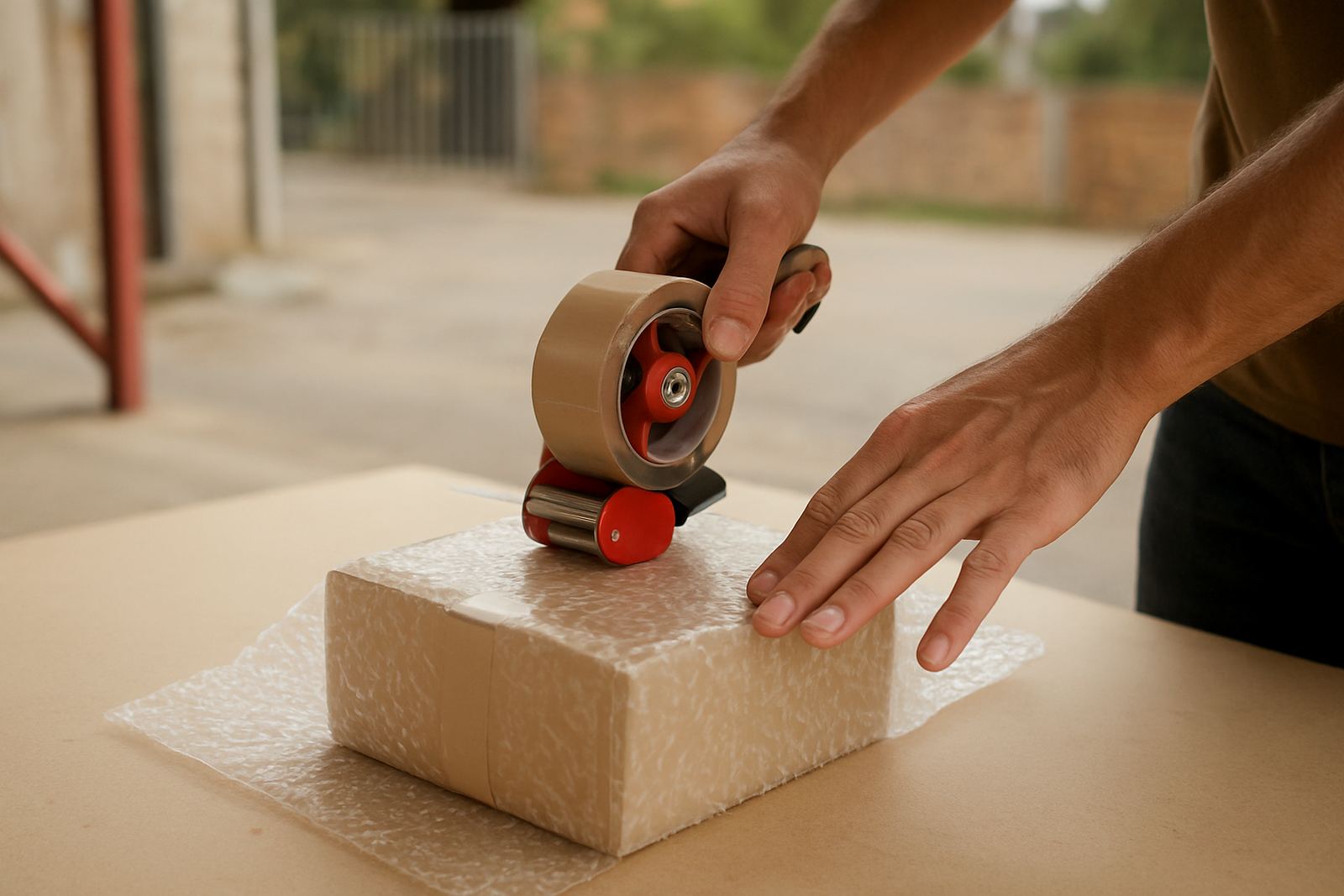
Good packing is not only about impact. South African courier runs also mean dust, humidity and the odd wet patch when weather turns. In Durban, moisture in the air can soften paper labels and weaken ordinary tape faster than expected. In Cape Town, a cool morning can turn into a windy afternoon, so loose flaps and light closures do not stay put for long. For this reason, seal the box fully with strong tape across the centre seam and the side edges. Do not rely on one strip alone.
Use a clear outer sleeve if the item needs paperwork inside, and keep the documentation flat where it cannot bend. If the parcel is going through an office mail room or a returns process, add a packing slip inside and a second copy outside if needed. For small parcels moving between branches, a well-sealed, clearly labelled box passes each handover without questions. A box that arrives with soft corners or lifted tape can be delayed while someone checks it, and that slows the whole route down.
Label It Clearly So It Reaches the Right Hands Quickly
Clear labelling saves time and prevents avoidable mistakes. The address should be easy to read, with the recipient name, building, floor or suite number, suburb and contact person where needed. If the parcel is going to a receiver in a large office park, warehouse or retail branch, add any access notes that help the driver or the receiving team find the right point first time. On same-day work, especially between Johannesburg, Pretoria and the East Rand, small details like gate access or reception hours can matter more than people expect.
- Write or print the destination in large, dark text.
- Mark fragile items clearly, but still pack them properly.
- Include a return note if the parcel may come back.
- Keep the top of the box free of loose tape tails or old labels.
If the parcel contains several small items for different branches, separate them into clearly marked inner packs instead of sending one mixed box. That helps with internal mail runs, multi-branch support and returns management. It also keeps the item count clean for proof reporting later on. A little order at the packing stage can save a great deal of chasing afterward.
Match the Packing to the Route, the Weather and the Time of Day
Not every parcel needs the same level of protection. A document pack going from Midrand to Sandton at 10h00 is not the same as a small parts box going to Durban overnight or Cape Town on a full same-day schedule. Longer routes, mixed cargo and tighter handover windows call for stronger outer packaging and better internal cushioning. The same applies when load-shedding changes collection times or a client needs a priority booking late in the day.
A good rule is simple: the longer the route and the more stops involved, the more stable the parcel should be. For a small parcel travelling across Gauteng, a snug box with paper fill may be enough. For a parcel leaving a metro hub and going through an airport transfer, courier depot or regional handover, use extra protection around corners and edges. That way, even if the box is turned or stacked, it keeps its shape. The item inside should not be able to shift more than a few milimetres.
This is where dedicated courier handling helps. When a parcel is packed neatly and marked correctly, the handover stays quick and the driver can focus on getting it there on time. For businesses with scheduled routes or daily collections, tidy packing also makes it easier to keep track of what left the office, what was delivered and what still needs attention.
A Simple Pre-Collection Check Before You Hand It Over
Before collection, give the parcel one last check. Lift it gently, tilt it slightly and listen for movement. Confirm that the tape is firm, the label is readable and the address is complete. If the parcel has any loose contents, add more fill or repack it before it leaves. Once it is on the run, there is usually no practical way to improve the packing, so it pays to sort it out before pickup.
- Shake test: no rattling or sliding inside.
- Seal test: no lifted corners or open seams.
- Label test: destination and recipient are clear at a glance.
- Weight test: the parcel feels balanced and easy to carry.
For small parcels sent from a Midrand base to Sandton, Pretoria, Durban or Cape Town, this last step is often the difference between a clean delivery and a damaged complaint. The best packing is simple, firm and repeatable. Once your team gets used to the routine, the parcels go out faster and arrive in better condition. That is good for your customer, your stock and your own peace of mind.