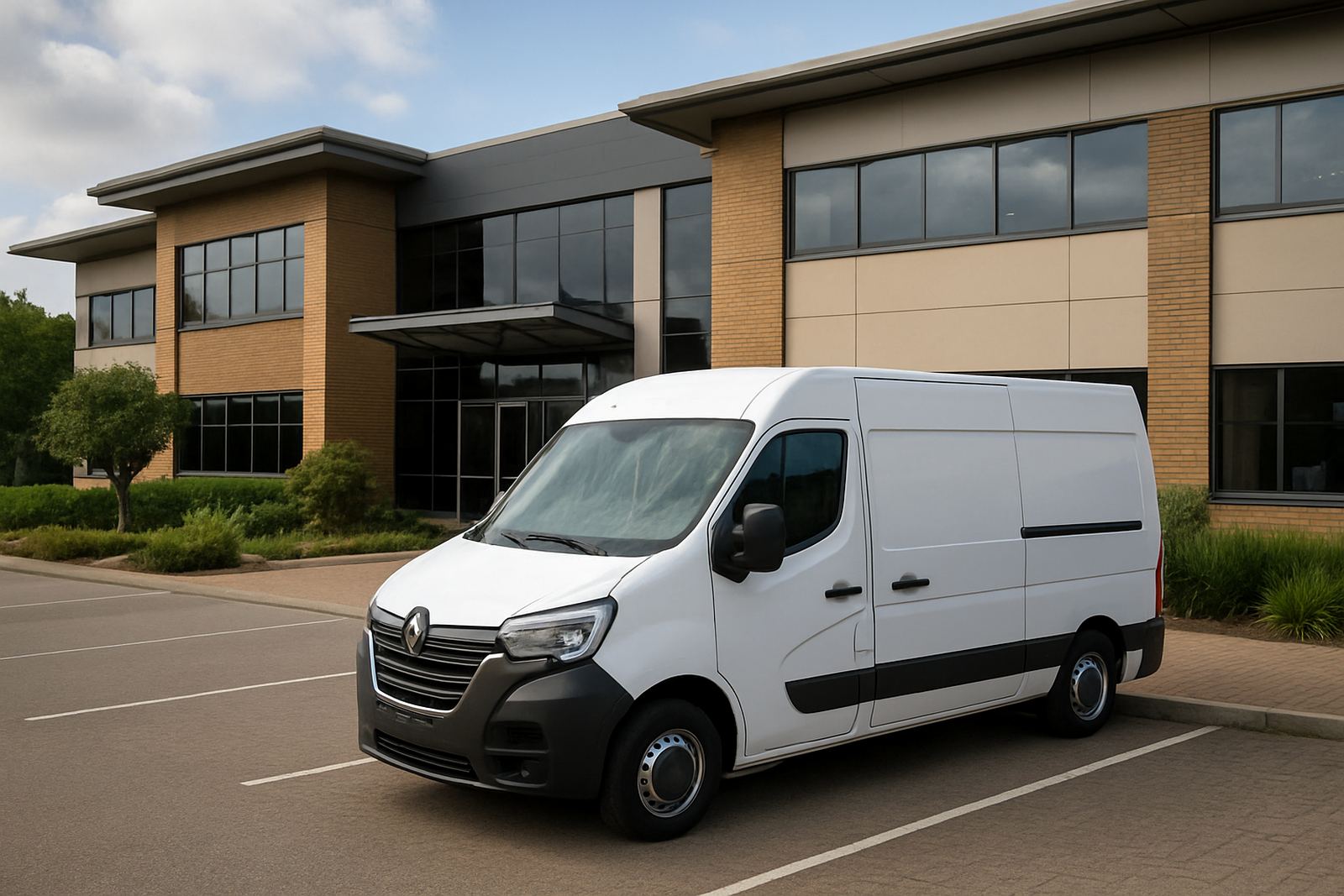


When ad hoc bookings start slowing your day
Ad hoc courier bookings can work for the odd parcel or once-off file movement. But once your office starts sending documents, samples or small parcels every day, the back-and-forth becomes expensive in ways that do not always show on an invoice. Staff spend time phoning around, waiting for collection windows, checking progress and following up on delivery slips.
A dedicated courier is worth looking at when your logistics start affecting deadlines. That usually shows up in predictable ways: missed cut-offs, late tender packs, court papers that need signature tracking, or internal mail that keeps piling up between branches in Midrand, Sandton, Randburg and Pretoria. If your team is juggling 6 to 20 movements a day, ad hoc booking gets messy quickly.
In Johannesburg traffic, a 10 km run can still eat half an hour or more when rain, roadworks or load-shedding related congestion hits. A dedicated resource gives you one point of contact, one operating plan and fewer surprises.
The signs your business needs a dedicated resource
Most businesses wait until the courier side is causing complaints before making the switch. You do not have to wait that long. A dedicated service makes sense when your deliveries follow a pattern and need consistent handling.
- You have daily or near-daily collections from the same address.
- Your parcels are time-sensitive, such as signed contracts, compliance packs or tender submissions.
- Staff are spending too much time managing bookings instead of core work.
- You need proof of delivery, return tracking or signed handovers on every run.
- Your branches in Gauteng or metro hubs in Durban and Cape Town need a set collection rhythm.
- Late deliveries are affecting client service or internal turnaround times.
If that list feels familiar, ad hoc may still be useful for overflow, but it should no longer be your main plan. Dedicated support brings consistency and reduces the stop-start admin that builds up around each booking.
What dedicated courier service actually changes
A dedicated courier is not only about having a vehicle on call. It is about setting a predictable process around your deliveries. That includes planned pick-ups, agreed routing, clearer responsibility and a better way to handle urgent items when the day changes unexpectedly.
For a Midrand business, that might mean an early collection from the office, a second run to a Sandton client and a same-day handover at a Pretoria branch. For a legal or finance team, it may mean document exchange with strict sign-off and proof reporting by close of business. For a retailer or project office, it can mean returns management and internal mail runs between sites without clogging up a manager's day.
A dedicated arrangement also gives you better visibility. Instead of wondering whether a parcel left the building, you know who collected it, when it moved and when it arrived. That kind of control matters when you are dealing with board packs, tender docs or items that must not sit in a reception area over lunch.
A local example from Midrand to the metro hubs
Take a Midrand company that sends signed contracts to Johannesburg, receives supplier documents from Randburg, and has a weekly drop in Durban for a regional office. If they book each movement separately, the admin team ends up rebuilding the same instructions every time. Addresses get retyped, contact names are repeated and delivery notes are chased after the fact.
With a dedicated courier, those routes can be set up properly. Collections happen at agreed times, the dispatcher knows the usual delivery points, and the client services team can manage changes without starting from zero. When a Cape Town urgent file comes in, the same team can slot it into the plan without disrupting the rest of the day too badly.
This is especially useful for firms that work around municipal or regulatory deadlines. If a submission must reach the right office before a cut-off, waiting for an available vehicle is not a strategy. It is a risk.
Signs your current setup is costing more than it should
The courier fee is only one part of the bill. The real cost often sits inside operations, especially when multiple staff members touch the same job. If your team is spending 15 minutes per booking on calls, updates and follow-ups, and you do that several times a day, the lost time adds up fast.
- Repeated urgent bookings are disrupting planned work.
- Drivers or messengers from the same route keep getting different instructions.
- Important items are being handed over without a clear record.
- You are using staff cars for deliveries when they should stay on site.
- Proof of delivery is arriving late or not at all.
A dedicated courier often reduces these issues by giving you one way of doing things. It also helps during load-shedding and peak traffic, when everyone else is trying to move at the same time. Small delays are easier to absorb when the route is already planned and the contact chain is clear.
How A-Two supports dedicated courier work
A-Two handles same-day courier work from Midrand across Gauteng, with metro runs into Durban and Cape Town for businesses that need movement without fuss. Our team manages daily collections, scheduled routes, dedicated courier work, document exchange, internal mail runs and priority bookings. We also support returns management, proof reporting, multi-branch support, event logistics and tender submissions.
For a dedicated setup, the goal is simple: keep the movement steady, reduce admin and make sure each handover is handled properly. Zama Ngwenya oversees operations, Kreeson Appalsamy manages fleet planning, Nandi Zulu handles dispatch, Mishka Moodley leads client services, Lesedi Mabaso supervises regional hub activity and Willem Botha manages compliance and safety. That structure matters when timings change or a route needs to be adjusted on the day.
If your business needs a regular courier partner, the enquiry form on our contact page is the place to start. We can talk through collection points, delivery windows and the kind of reporting your team needs, then set a practical plan around it.
Choosing the right moment to make the switch
The best time to move from ad hoc bookings to a dedicated resource is before the pressure becomes constant. Once your operations team is fighting fires every afternoon, the switch becomes harder because the business is already working on the back foot. A dedicated courier gives you breathing room, better control and fewer missed handovers.
If your business is growing, adding branches or handling more time-sensitive files, the courier side should grow with it. The point is not to make logistics more complicated. It is to make it quieter, more predictable and easier to manage.
When the same issues keep coming back, a dedicated courier is usually the sign that your business has outgrown one-off bookings. That is a good problem to have, but it still needs a proper answer.