
Why rain needs a different packing habit
In South Africa, rain does not always arrive in a neat steady way. In Johannesburg and Midrand you can get a sharp afternoon downpour, while Durban often brings humid air and damp conditions that hang around after the rain has stopped. Even a short transfer from reception to vehicle can be enough to soak an envelope, smudge a label or weaken a cardboard corner.
That is why rainy day packaging is not only about wrapping things twice. It is about choosing materials that match the item, the route and the weather. A simple document run across Gauteng may need less bulk than a parcel moving through a busy loading bay, but both still need protection from splash, handling and unexpected delays at the kerb.
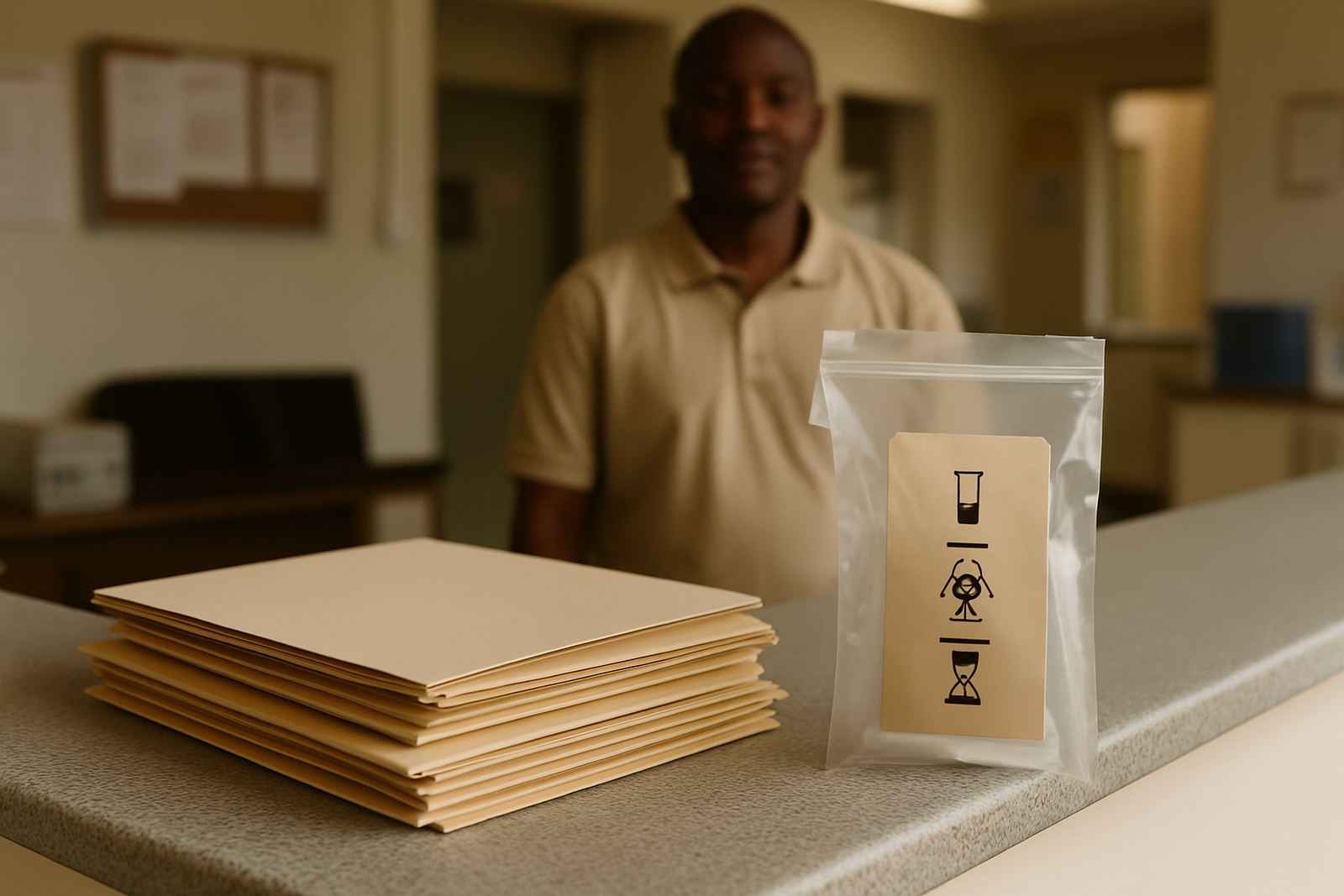
Documents should stay flat, sealed and readable
Documents are the most common problem on wet days because paper absorbs water fast. Once a page curls or a stamp runs, the contents can be hard to use even if the envelope survives. For same-day courier work, the goal is to keep documents flat, dry and clearly marked from pickup to delivery.
Use a strong envelope or document wallet that closes properly, then place the papers inside a second protective layer if the weather is poor. When possible, keep the address slip on the outside but covered, so the details stay visible without getting wet.
- Use waterproof document sleeves for original contracts, court papers and tender packs
- Avoid loose pages sticking out of envelopes or folders
- Seal seams and corners properly, especially on older envelopes
- Mark the parcel with clear sender and recipient details in dark ink
- Keep signed copies separate from unsigned originals where possible
For legal or compliance-sensitive items, a wet envelope can create delays later in the day, so the extra layer is worth it.
Small parcels need corner protection and smart outer wrapping
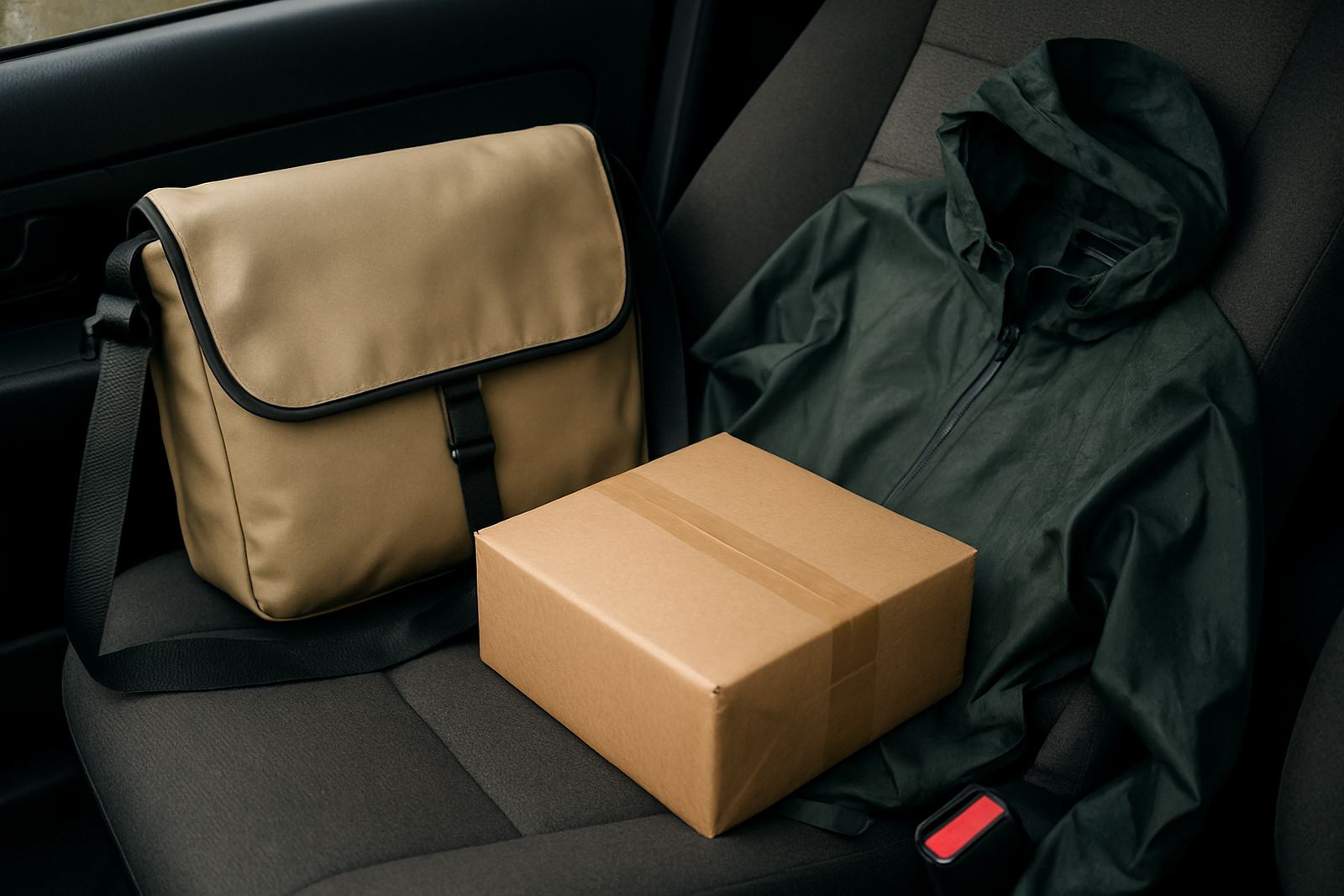
Small parcels may seem safer than documents, but rain often finds the weak point first. A box can become soft at the corners, tape can lift, and outer labels can wash out. In coastal air, especially around Durban, cardboard can also take on moisture faster than people expect.
For parcels moving between branches or to clients in Sandton, Randburg or the East Rand, use packaging that protects edges first. If the item inside can shift, the parcel is more likely to lose shape when it gets wet. Fill empty spaces so the contents do not move around during braking or handling.
- Choose a box or pouch that fits the item closely
- Wrap the item in an inner layer before boxing it
- Seal all top and bottom seams with proper tape, not a single strip
- Protect labels from rain by placing them under a clear outer sleeve where possible
- Do not leave parcels directly on wet floors, stairs or open loading areas
One wet corner can become a crushed corner by the time the parcel reaches the next stop. That is often how avoidable damage starts.
How to prepare collections when rain starts mid-route
Rain can move in after a booking has already been accepted and the vehicle is on the road. That is normal in Gauteng, where a dry morning can turn into a wet lunch hour. The best approach is to build a little flexibility into the collection process so the item never sits exposed longer than it should.
If an office has a security gate, reception queue or basement loading point, ask for the parcel to be ready before the vehicle arrives. A delayed handover in the open is where packaging gets tested. It helps to keep a small packing station near the dispatch area with sleeves, tape and spare outer bags for last minute protection.
- Keep packages near the collection point, not at the far end of a passage or open stoep
- Prepare a rain plan for late afternoon collections when storms are common
- Use bins or trays that keep items off wet ground
- Check vehicle loading space before the handover starts
- Allow a few extra minutes for wet entrances, security checks and parking access
In Midrand and Pretoria, rain can also affect traffic flow and gate access, so a clean handover saves time later.
The vehicle side matters as much as the wrapping
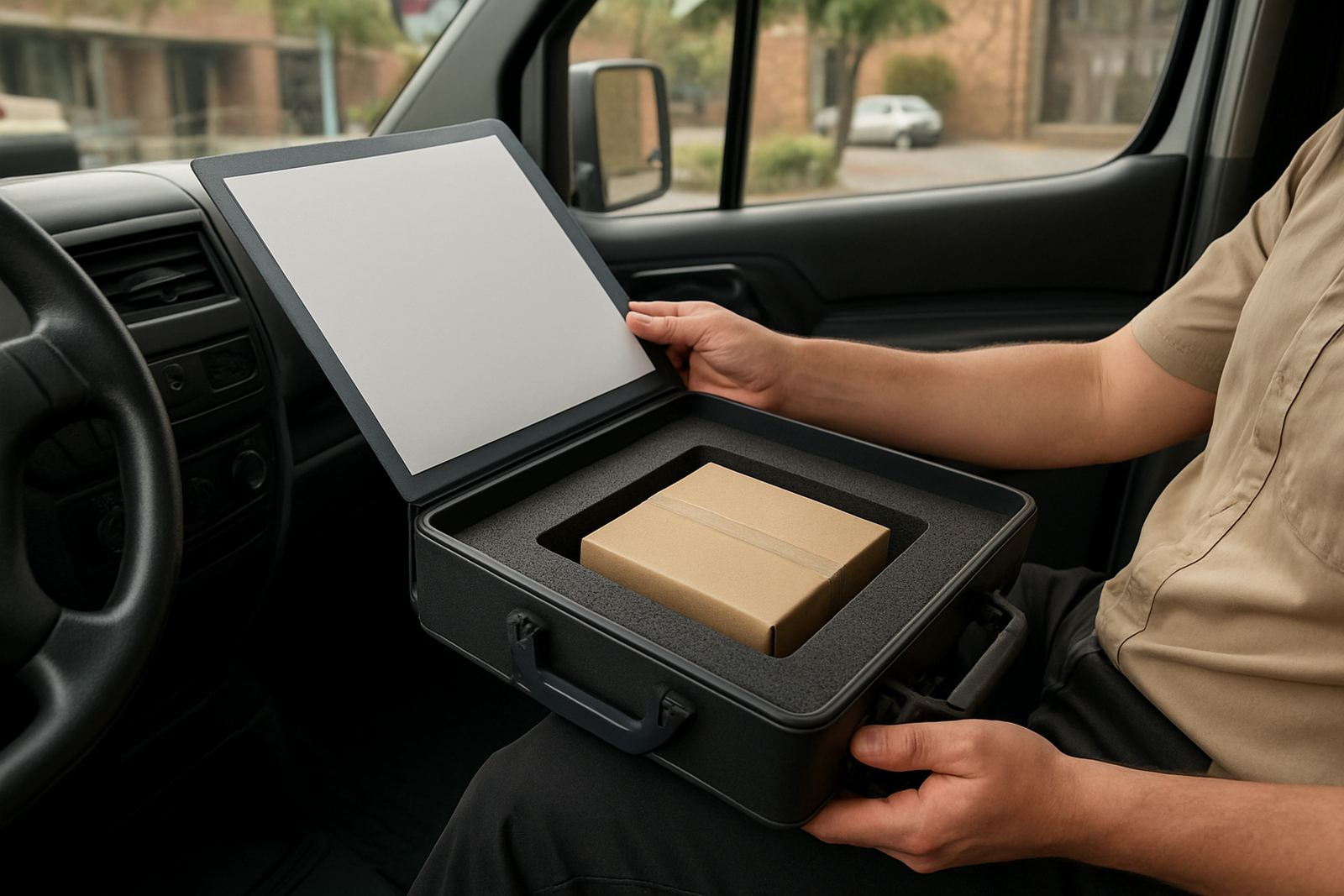
Packing is only half the job. Once an item leaves the building, it still needs dry loading space and careful placement in the vehicle. Courier teams often deal with open doors, water on the floor mats and parcels sliding against each other. If the load is not organised, even the best wrapped document can end up damp.
A good practice is to keep a dry zone in the cargo area and separate fragile or paper-based items from bulkier parcels. In heavy rain, drivers should avoid leaving items near open doors or against areas where runoff may collect. A quick check before departure can save a claim later.
At A-Two, this matters on same-day runs where documents may move from a Midrand office to another business address in Johannesburg, then on to a metro hub run in Durban or Cape Town. Different weather conditions, different loading habits, same need for care.
A local example from Midrand to Sandton
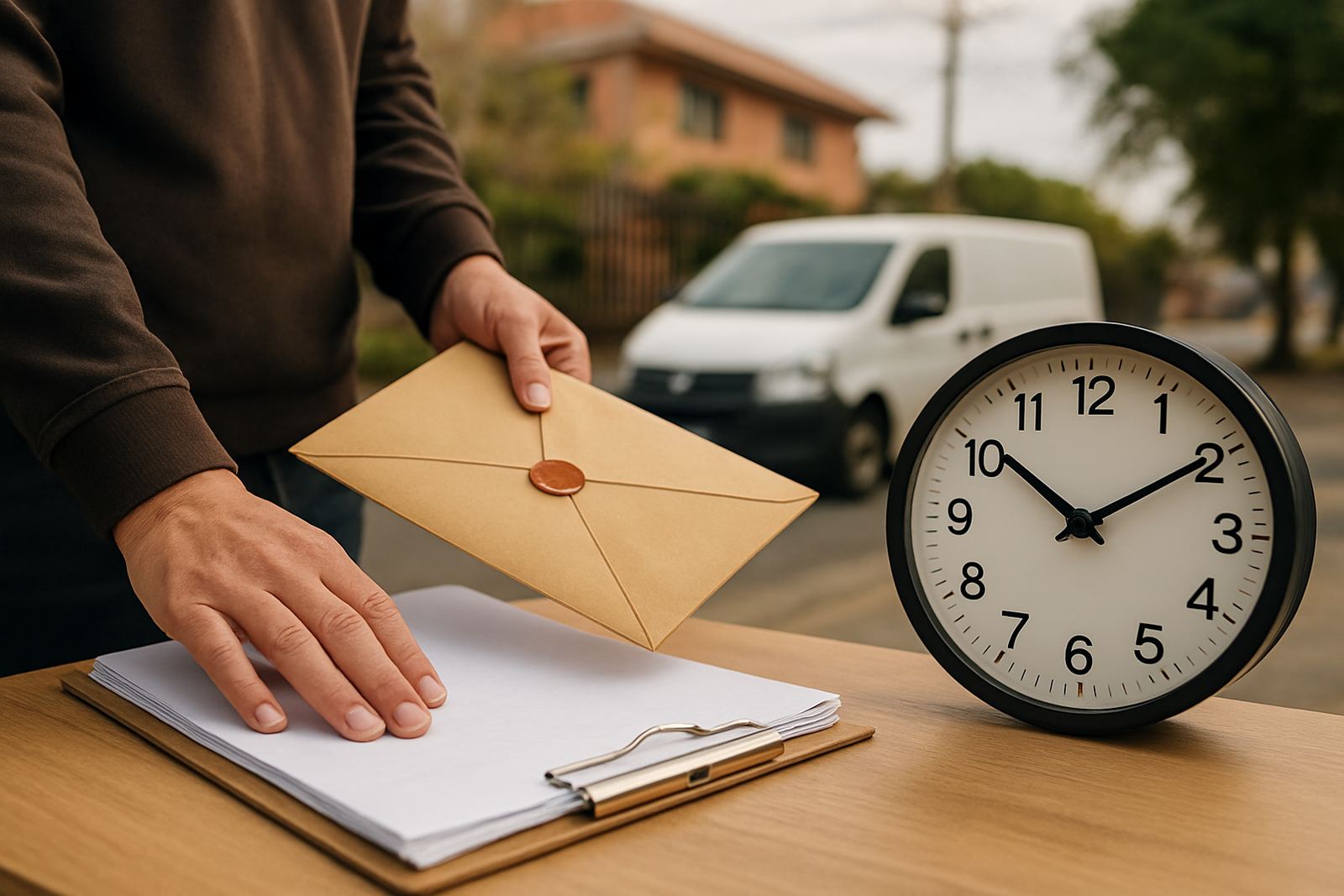
Consider a weekday tender submission leaving Midrand for Sandton just after 2 pm. The package contains original forms, signed schedules and a small set of supporting pages. By the time the driver reaches the building, the sky has already gone dark and the rain is coming down hard enough to make the pavement slippery.
Without extra packaging, the outer envelope could soften on the trip from reception to the vehicle. With a proper document sleeve, a sealed outer layer and clear labelling, the papers stay protected even if the handover is rushed. That small bit of preparation means the client gets clean documents, no reprints and no awkward delays at the receiving end.
It is the same with returns management. A returned parcel may be travelling back through several stops and handing points, so keeping it dry from the start avoids confusion when it arrives for inspection or resubmission.
What to ask for when booking a wet-weather courier run
When rain is expected, a short note at booking stage can make the handover smoother. Businesses that use daily collections, scheduled routes or account-based courier support should flag any item that needs stronger weather protection. That gives the dispatcher and driver a chance to plan the loading order and carry the right materials.
If you are sending documents, submissions or small parcels that cannot get wet, ask for protection that matches the item and the route rather than relying on one general method. A clear instruction helps the team manage the run properly and keeps everyone on the same page.
- State whether the item is paper, printed materials or a boxed parcel
- Say if the contents must stay flat, upright or sealed
- Confirm if the item will be handed over at reception, security or loading bay
- Let the team know if the route includes multiple branches or a return leg
- Ask for proof reporting if the delivery needs a record of condition on arrival
Rain is part of the job, but wet damage does not need to be. A little more packaging care at the start keeps the delivery clean at the end.