
Why short-notice sample deliveries need tight control
Presentation samples are rarely just small parcels. They are usually the thing that helps a buyer approve a job, compare finishes or sign off a tender, so a late or damaged delivery can push a whole project back by days. In Johannesburg and Midrand, that often means a missed meeting in Sandton or a delayed fitment check in Pretoria. In Durban or Cape Town, the pressure is similar when the item has to move between offices, warehouses and client sites in one day.
The best approach is to treat every sample as a controlled handover. Know who packed it, who accepted it, who is carrying it and who will receive it. That simple chain of responsibility reduces lost items, avoids confusion at security gates and gives the client confidence that the delivery is being handled properly.
- Confirm the delivery address, contact person and receiving hours before dispatch.
- Mark whether the item is fragile, confidential or temperature-sensitive.
- Keep a record of size, quantity and condition at collection.
- Plan for municipal access rules, loading bay limits and security checks.
Pack samples so they survive traffic, heat and handling
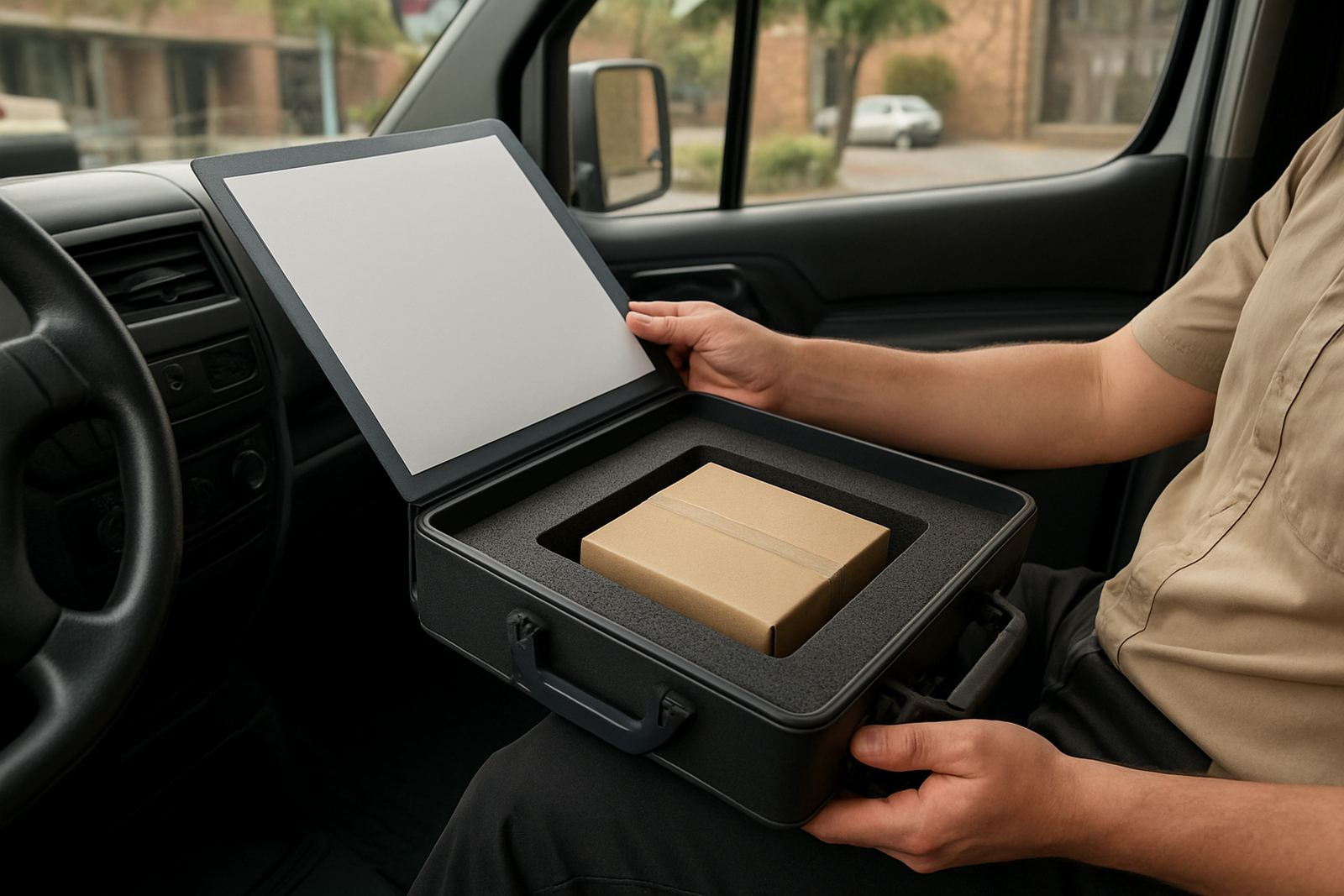
Samples and prototypes are often awkward shapes rather than standard cartons. A model board, product mock-up or branded presentation box can shift inside the package if it is not packed properly. Use enough internal support to stop movement, but avoid over-packing to the point where the contents get bent or crushed. If the item may sit in a vehicle while the courier moves between stops, the outer packaging must handle vibration, sudden braking and loading bay handling.
Midrand traffic, coastal humidity in Durban and summer heat in Cape Town can all affect packaging choices. Paper-based samples can curl, adhesives can soften and some finishes mark easily. Use moisture-resistant wrapping where needed, and keep documentation inside a separate sleeve so it stays clean and readable.
- Use rigid outer packaging for anything with sharp corners or delicate surfaces.
- Add a clear label with the receiving company, person and project reference.
- Seal loose parts in a smaller inner bag or box.
- Photograph the item before collection so the condition is on record.
Choose the right delivery method for the job
Not every sample needs the same service. A single document set going from a Midrand office to an engineer in Randburg can move on a scheduled route, while a prototype needed at a product meeting in Sandton before lunch is better handled as a dedicated courier run. If the item must reach more than one branch, a multi-drop plan may be more practical than separate trips, provided the timing is agreed in advance.
A-Two handles same-day courier runs across Gauteng, with metro coverage into Durban and Cape Town for urgent business movements. The point is not only speed, but matching the service to the item. A good courier plan considers traffic windows, receiver availability and the value of the sample. If the item is needed for tender submission, event prep or internal approval, the collection time and delivery slot must be firm from the start.
- Use priority bookings when the sample must move immediately after collection.
- Use scheduled routes for repeat deliveries between the same branches.
- Use dedicated courier service when the item is confidential or high value.
- Ask for proof reporting when the receiver needs written confirmation.
Keep the paperwork simple but exact
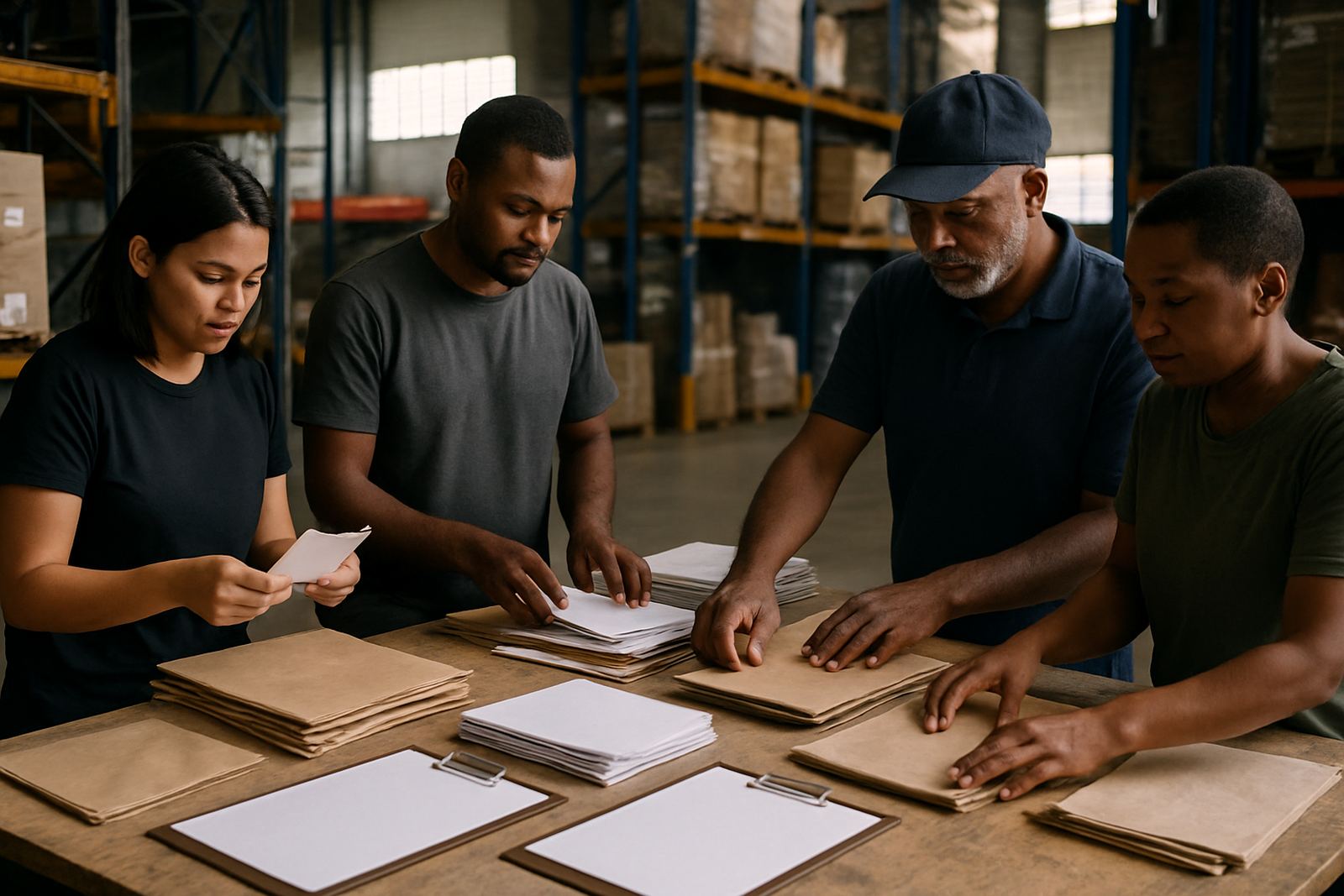
Short-notice deliveries work best when the admin is clear. The sender should know what is going out, who approved it and what must happen on arrival. This is especially important for document exchange, internal mail runs and tender submissions where the wrong envelope or missing page can undo the whole job. The paperwork should travel with the item, but the important details must also be easy to confirm on the phone or via message if the receiving site asks for them.
Use one reference number for the job and make sure it appears on the parcel, the instruction note and the proof of delivery. If the sample is being sent back after review, note that on the instruction form as well. Small mistakes happen when names, unit numbers or floor details are left out and then the driver has to phone around at the gate.
- List the sender, receiver, delivery reference and item count.
- State whether the delivery is one-way, return or exchange.
- Include special access notes such as basement entry, boom gate or visitor parking.
- Keep the sign-off person named, not just the department.
Local example: a Midrand sample run to Sandton and Pretoria
A packaging supplier in Midrand may need to send three presentation samples to a client in Sandton before a 2 pm review, then move two prototype inserts to a second office in Pretoria the same afternoon. The first drop has to be tidy because the client wants to compare colour and finish against an existing range. The second stop matters because the procurement team wants to check whether the sample fits inside their current carton spec. If one item arrives scuffed or late, the review loses momentum.
In a case like that, the dispatch team should confirm the route early, group the items by stop and keep the handover times realistic. A second driver or a dedicated run may be better than trying to fit the job into a general collection route. That saves time at the gate and prevents the sample from sitting in a vehicle while someone elsewhere is still deciding whether the meeting is going ahead.
- Send the first stop with a clear arrival window, not only a street address.
- Keep the second site informed if the first meeting runs long.
- Ask for signed proof at each handover when the same job covers more than one branch.
What a reliable courier partner should be ready to do
A dependable courier partner does more than move a parcel from A to B. It should collect on time, communicate clearly and adjust when a meeting changes or a gate closes early. That is especially useful for businesses that need daily collections, account management, returns management or multi-branch support. If samples move regularly between Midrand, Johannesburg, Sandton, Randburg, Pretoria or the East Rand, the courier should already understand the local travel patterns and the places where delays usually happen.
At A-Two, the aim is simple: protect the item, respect the deadline and keep the sender informed from collection to delivery. That makes a real difference when a prototype is tied to a client approval or an event setup. Good sample delivery practice is not complicated, but it does need discipline. Get the packaging right, keep the details exact and use the right service for the urgency at hand. That way the item arrives ready for the next decision, not another round of chasing.
- Ask for proof reporting when the delivery must be auditable.
- Use internal mail runs for repeat office movements.
- Choose event logistics when samples form part of a live setup.