

When a signed return is the safest way to close the loop
Some courier jobs are not about moving a parcel one way. They are about making sure a contract, mandate, service form or compliance document gets to the right person and comes back with a wet signature, initials or stamped acknowledgement. That matters for HR, finance, procurement, property, legal and municipal work where a copy must be filed quickly.
A signed return service is best when the sender cannot wait days for scanned feedback, or when the original paper must be returned in hand. It gives you a cleaner record than asking a driver to drop off and hope for the best, especially when different teams work from Midrand, Sandton, Pretoria or the East Rand and need one clear chain of custody.
Jobs that suit signed return courier runs
This service works well for documents that need to go out and come back in one movement, or for items that must be acknowledged by a named recipient. In practice, it reduces admin and helps avoid disputes about who signed what and when.
- Service level agreements and tender paperwork
- Employee onboarding packs and disciplinary notices
- Property inspection forms and handover documents
- Credit application packs and account opening forms
- Warehouse release notes and delivery confirmations
- Municipal submissions, permits and compliance packs
If the return must be signed by a director, branch manager or specific official, the collection note should say so upfront. That saves time and stops the parcel from bouncing around reception counters.
How to prepare paperwork so the return is not delayed
Most delays happen before the driver even leaves. Missing names, no reference number, or unclear instructions can add an extra day to a simple run. For same-day work across Gauteng, it helps to treat the signed return as a controlled process rather than a last-minute favour.
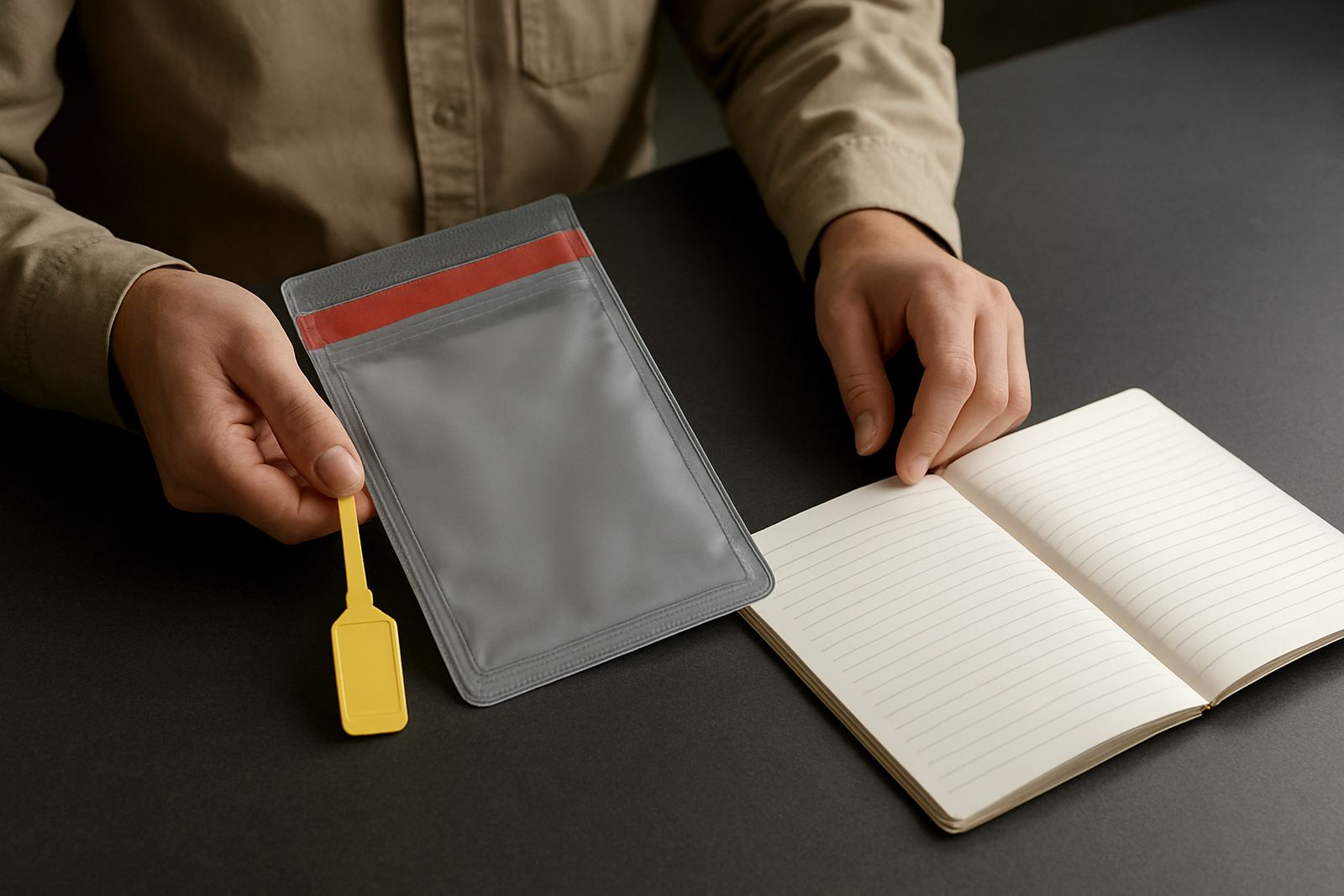
Use a cover note, tab the page that must be signed and make it clear whether the full pack must come back or only the signed pages. If the recipient must keep one copy and return another, say that plainly. In humid coastal conditions, especially around Durban and parts of Cape Town, put paper in a sleeve or folder so corners do not curl on the trip back.
- Mark the required signature page clearly
- Add a contact name and branch location
- State whether originals, copies or both must return
- Use sturdy envelopes for loose pages
- Include reference numbers for filing on receipt
What good proof reporting should tell you
For signed return work, proof is just as important as speed. You need to know when the documents left, who received them, whether they were signed, and when the return leg was completed. That record is useful for audits, internal checks and client updates, especially when several branches are involved.
A practical proof report should show the collection time, delivery point, recipient name where available, and the return status. If there is a problem, such as no authorised signatory on site or a reception team that cannot release the document, the report should flag it immediately. That helps the office decide whether to reroute, wait or send a fresh set. It also cuts down on phone calls chasing paper trails.
Local example: Midrand to Pretoria and back before close of business
A procurement team in Midrand may need a supplier declaration taken to a Pretoria office for sign-off before 3 pm, then returned to the sender for filing. On paper it sounds simple, but traffic on the N1, site access rules and a busy reception can slow things down. A signed return run handles that in one planned trip, with the driver briefed on the recipient, the required signature and the return deadline.
For time-sensitive routes like this, the best outcome comes from a clear collection note and a receiver who knows to expect the courier. If the destination is a metro hub, the dispatcher can plan around peak traffic and loading restrictions. That saves time and keeps the paperwork moving instead of sitting in an inbox or on a reception counter.
How A-Two handles signed return service requests
From our Midrand base, A-Two arranges signed return runs across Johannesburg, Sandton, Randburg, Pretoria, the East Rand, Durban and Cape Town. We use daily collections, scheduled routes and priority bookings depending on how urgent the file is. For business clients with repeat needs, account management and scheduled support make the process easier to manage.
Our team keeps the handover practical: clear instructions, direct routing and return confirmation where required. That includes document exchange, internal mail runs, returns management and multi-branch support for companies with several offices. If your paperwork must be signed and back in your hands the same day, the job needs tight control from the start, not a vague promise at the end.