
Start With the Right Contact Person
The fastest delivery can still lose time if the driver arrives and the right person is not there to accept it. Before the parcel leaves Midrand, make sure one named person is responsible for receiving it and that the team knows who it is. That matters whether the job is going to Sandton, Pretoria, Durban or a Cape Town metro office.
The receiver should know what is coming, who sent it and whether any signature, stamp or ID check is needed. In many offices the delay is not at the courier side, it is inside the building when the front counter says they are not authorised to sign.
- Name one primary receiver and one backup receiver.
- Share the expected delivery window with reception or security.
- Confirm if the parcel must go to a specific floor, bay or loading area.
- Let the driver know about access codes, visitor steps or boom gates.
Check the Delivery Address Before the Driver Leaves
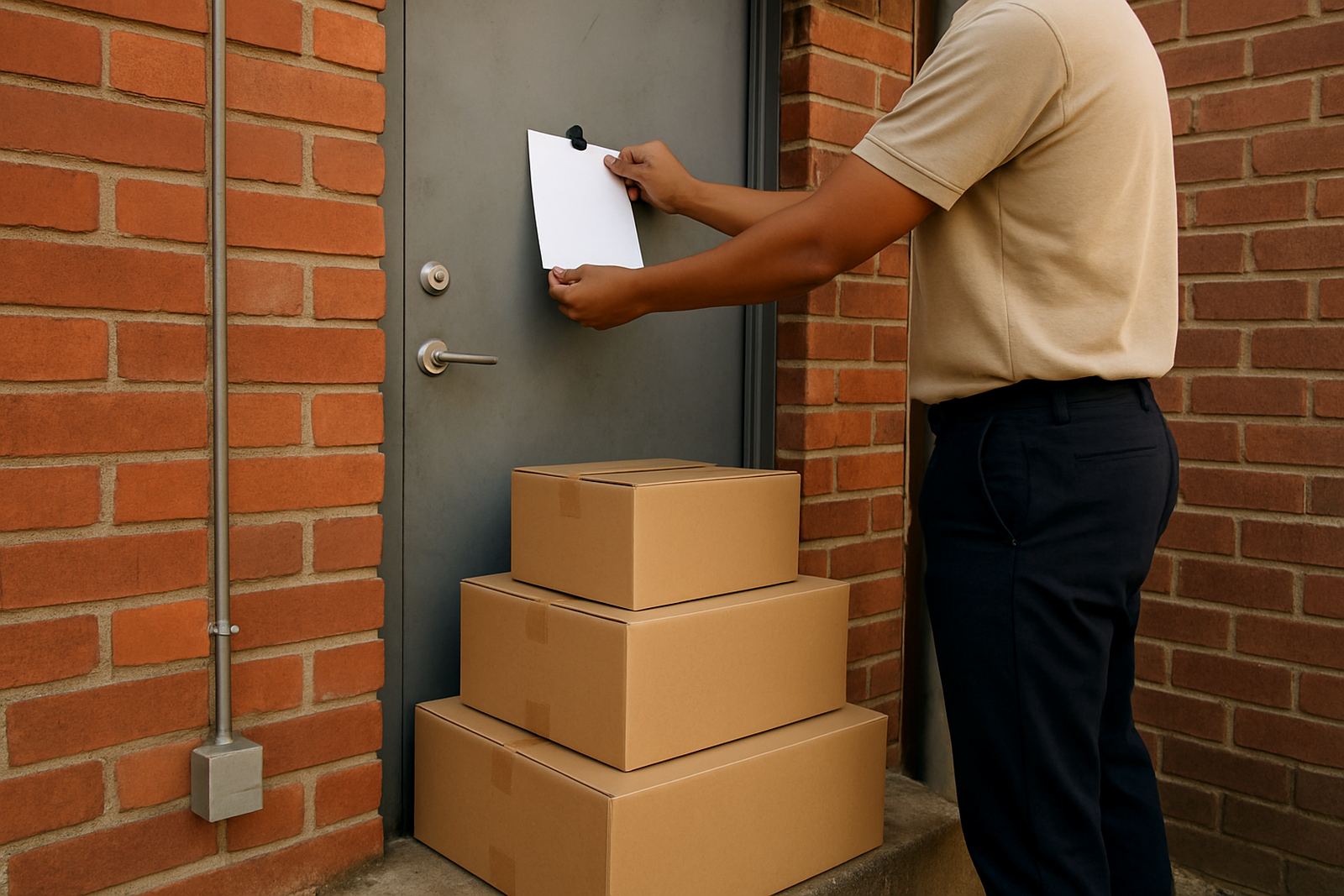
A small error in the address can turn a short run into an avoidable delay. Before dispatch, confirm the full street name, building name, suite number and suburb. In Gauteng that can mean the difference between a quick drop in Midrand and a missed turn near a busy industrial park. In coastal areas, add the branch name and any estate entry instructions because reception teams often work with stricter access control.
For business deliveries, the address should include the exact receiving point. If the parcel is going to an accounts office, warehouse gate, or receiving bay, say so clearly. A driver should not have to guess between a front entrance and a goods entrance.
- Use the correct suburb, street number and unit number.
- Add building names, park names and block numbers where relevant.
- Include site notes such as loading bay, security counter or reception counter.
- Double check the town name if there are similar street names nearby.
Keep Access Details Ready Before the Vehicle Arrives
Many late handovers happen at the gate, not on the road. If the parcel is heading to a complex, office park, hospital, school or municipal building, the receiver should have access details ready in advance. This is especially useful during load-shedding or peak traffic, when security systems can slow down and drivers need a quick handover.
Reception or security should be told if the driver is expected in a bakkie, panel van or small courier vehicle, and whether parking is limited. In busy areas like Sandton, Randburg and central Durban, even a few extra minutes at the gate can disrupt the route for every other delivery on the run.
- Keep gate codes, visitor passes and contact names on hand.
- Make sure the receiver can meet the driver at the correct entrance.
- Clear a safe place for signing and checking the parcel.
- Warn the team if the site closes for lunch, prayer times or shift change.
Prepare for Signature, ID and Proof of Delivery
Some items need a signature only, while others need an ID number, company stamp or reference against an internal order. The receiver should know exactly what proof is required before the vehicle gets there. That avoids a delay while everyone searches for a pen or tries to find the right person in procurement.
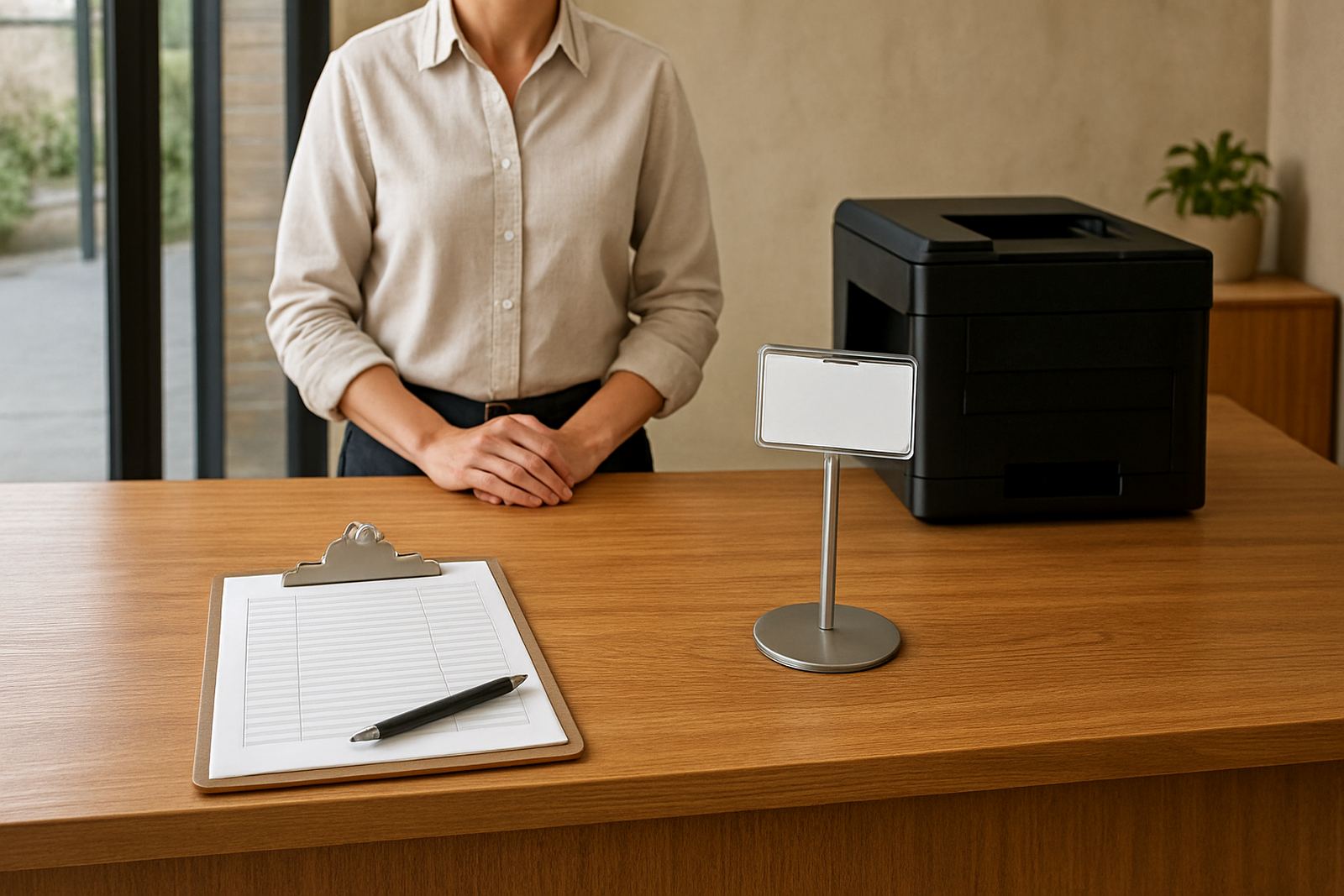
If your office uses internal mail runs or document exchange, a standard handover sheet can help. Keep it simple: sender name, parcel reference, receiver name, date and time. If the item is urgent or confidential, the receiver should count the pages or check the seal before signing. Small details matter, especially when tender submissions or legal papers are involved.
- Have a pen ready and make sure someone can sign immediately.
- Know whether the parcel needs an ID check or company stamp.
- Count pages, envelopes or sealed packs before accepting the item.
- Keep a copy of the delivery record for your own file.
Make Room for Sensitive or Time-Pressure Deliveries
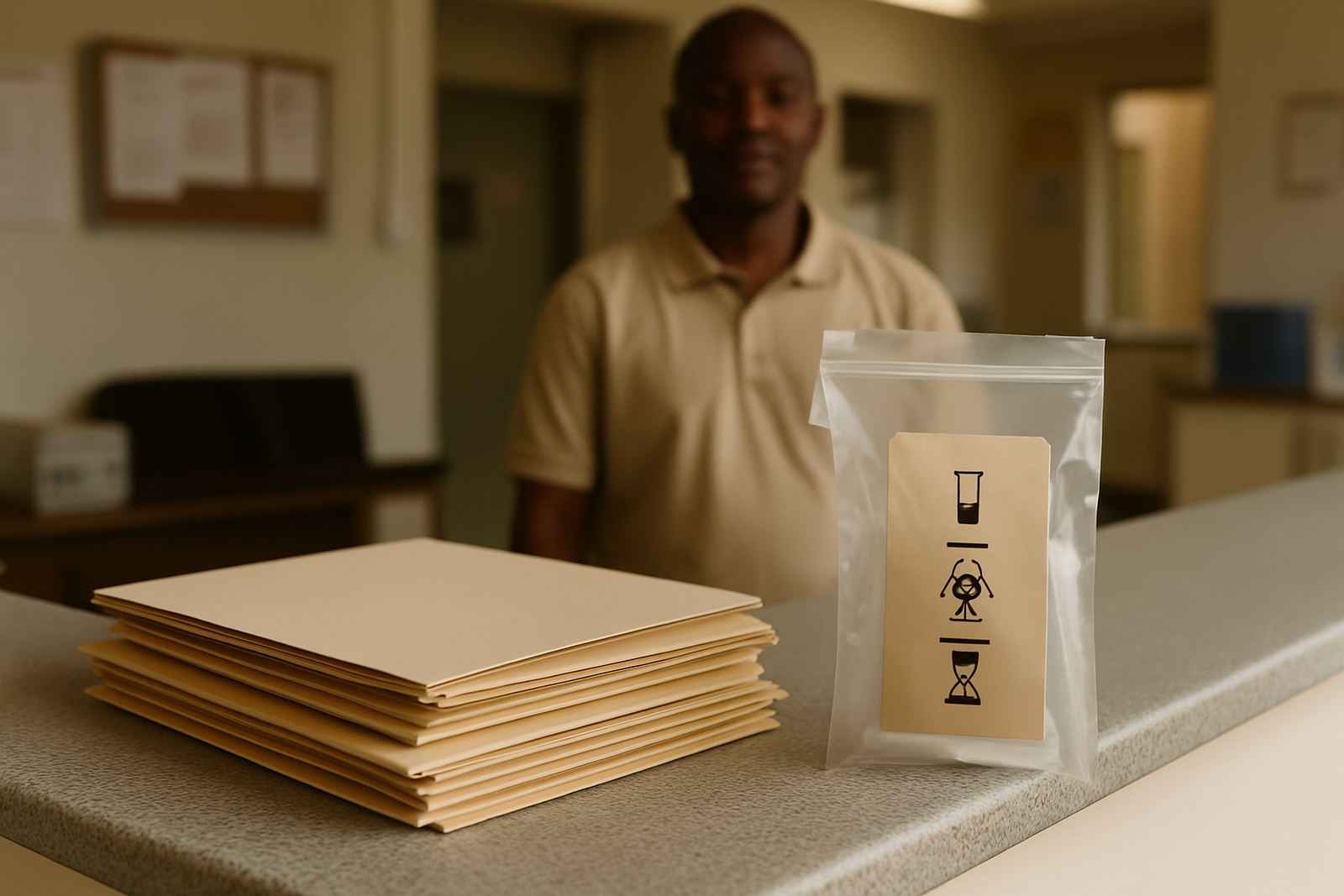
Urgent deliveries often arrive with a reason attached. It might be a signed contract, a payroll pack, a replacement part, or an event item that must be at site before opening time. The receiver should have space ready so the driver can hand over quickly and leave. If the item is delicate, for example printed materials, electronics or moisture sensitive documents, place it away from direct sun, wet surfaces or open doors. Coastal humidity can also affect packaging if it is left standing for too long.
For teams handling daily collections or returns management, a prepared receiving point makes a big difference. It keeps the process orderly and helps the dispatcher close the job cleanly on proof reporting. That means less back and forth later, which is good for everyone.
- Clear a dry, clean space for the handover.
- Keep urgent parcels away from forklifts, foot traffic and spill zones.
- Have a label tray, shelf or basket ready for incoming items.
- If the item is temperature or time sensitive, move it immediately to the correct area.
Use a Local Example to Set a Better Habit
Take a simple Midrand to Sandton run. A sender books a document exchange in the morning and the parcel reaches the receiver before midday. If the office has one named contact, gate instructions and a signed receiving book ready, the handover takes less than a minute. If not, the driver waits while reception phones around, security asks for another reference and the parcel sits in the lobby.
The same logic applies to Durban business parks and Cape Town metro hubs. The courier may be punctual, but the receiver still needs to be ready. A good routine saves time, protects the item and reduces pressure on both sides. It also helps when the run is part of multi branch support and several deliveries are moving through the day.
A Simple Recipient Ready Checklist to Use Every Time
Keep this short list near reception, the switchboard or the goods-in area. If everyone follows the same steps, same-day delivery becomes much easier to handle, even when traffic, weather or load-shedding slows the rest of the day. A few minutes of prep can prevent a missed handover and save the sender from rebooking the run.
- Confirm the full delivery address and exact receiving point.
- Nominate one receiver and one backup.
- Keep access details, visitor instructions and parking notes ready.
- Prepare signature, ID and reference checks in advance.
- Clear a safe dry place for the parcel.
- Tell the team about the expected arrival time.
When the recipient is ready, the courier can do what it is meant to do: get the item from A to B without delay. That is the practical difference between a rushed handover and a smooth one.