

Have the parcel ready before the vehicle arrives
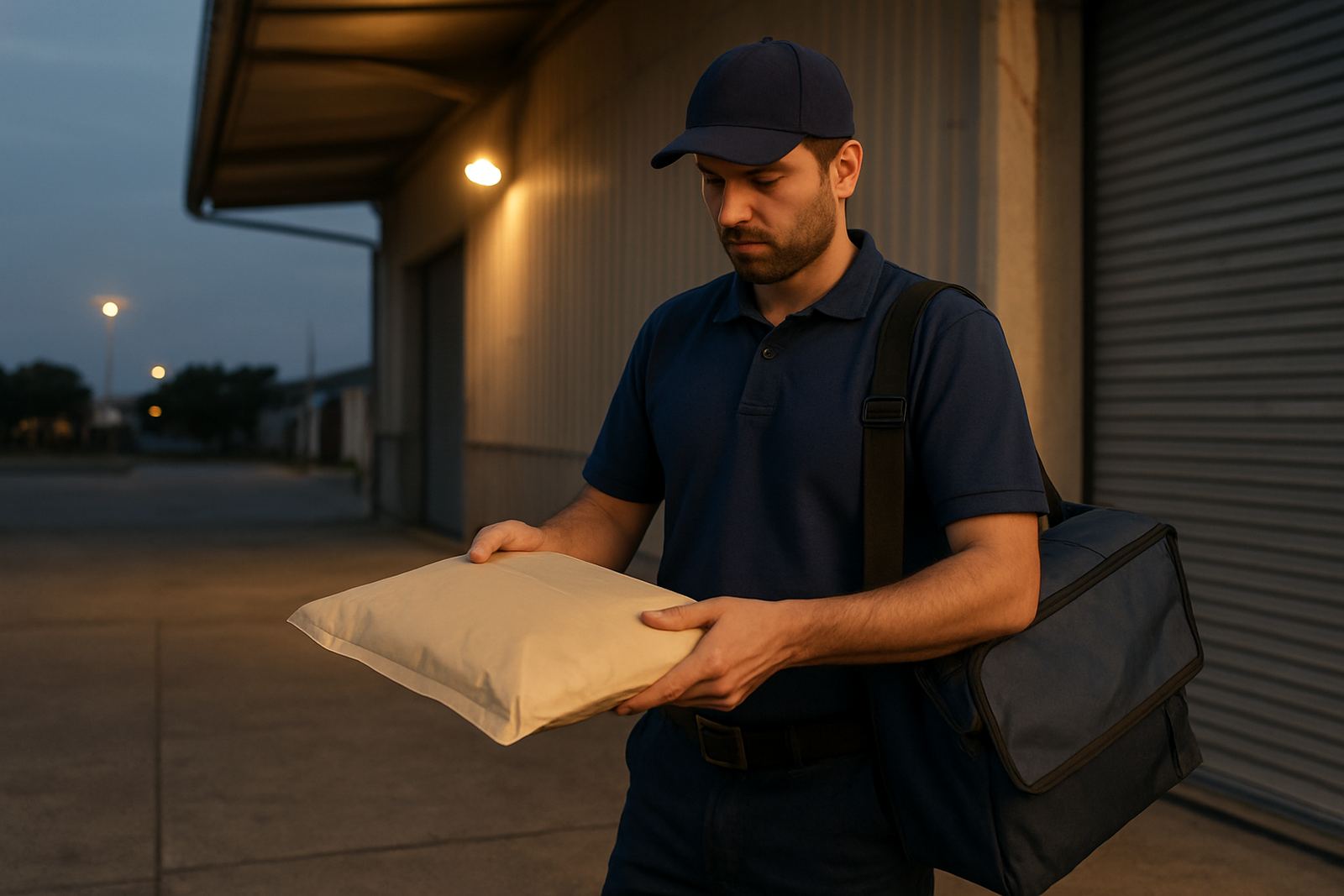
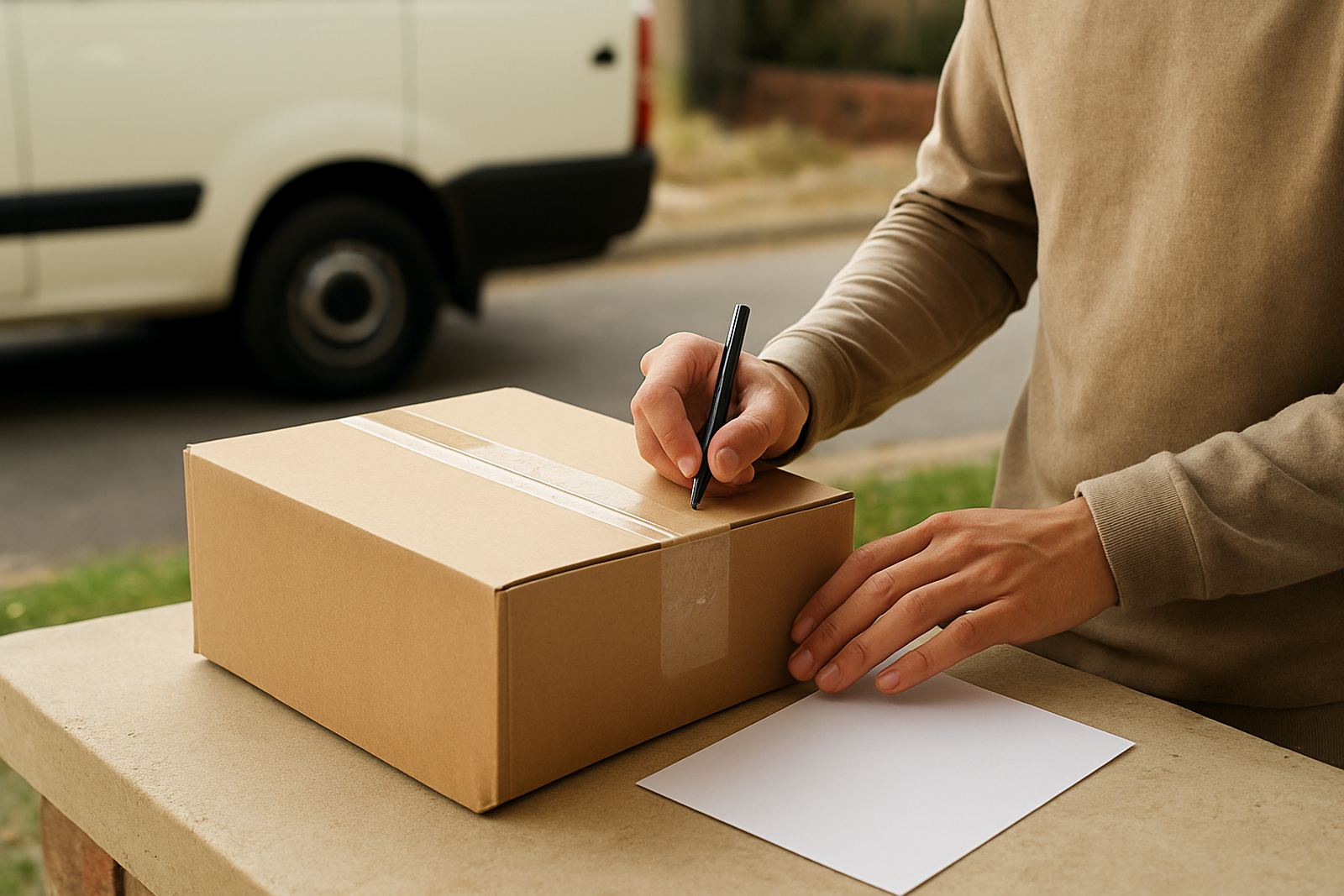
When a driver or runner arrives, the parcel should be packed, labelled and ready to hand over. In Midrand and Sandton office parks where access can be tight, a few lost minutes at reception can throw off the full route for the day. If you book a same-day collection, make sure the item is sealed, the address is correct and the recipient name is clear.
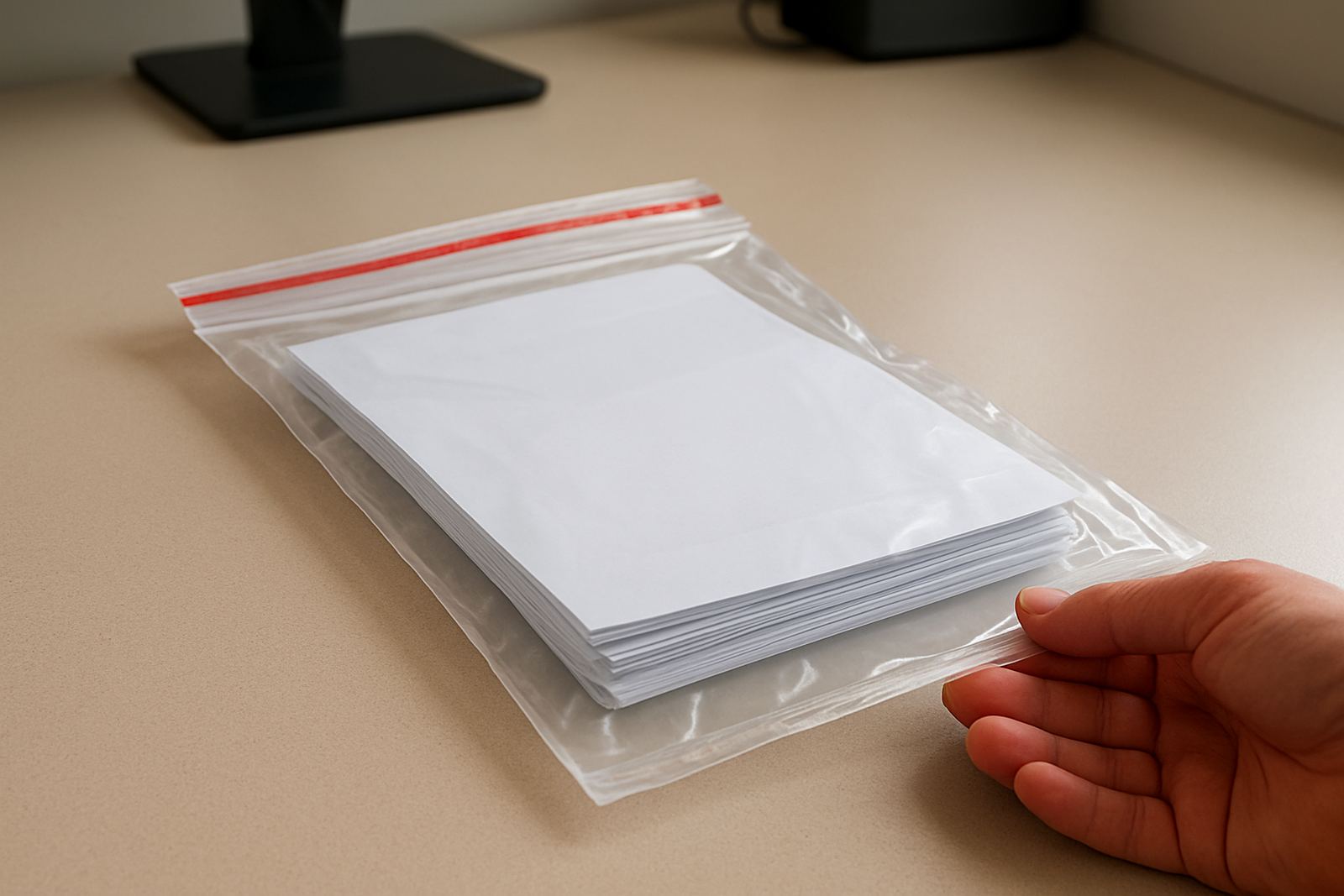
For document runs, place the papers in a protective envelope or folder so they do not fold, bend or pick up rain on the way to the vehicle. If the item is small and valuable, let the team know in advance so it can be handled properly. That includes tender packs, signed forms, sample packs and internal mail runs between branches.
- Seal the parcel before collection time
- Check the delivery address and contact name
- Remove loose items that could fall out
- Use a protective sleeve for documents
Give clear access details and reception instructions
A courier can only move as fast as the building allows. If your office is in a controlled access block, let us know the gate code, loading bay rules, parking height limit or reception procedure upfront. In some Pretoria and Randburg buildings, a driver may need to sign in, show ID or wait for a security escort. That is normal, but it needs to be planned for.
For home collections, please include estate rules, boom gate steps or any security code the driver needs to use. If the parcel must be collected from a warehouse, tell us which door to use and who will release the item. A clear handover point saves a lot of back-and-forth and keeps the route on time, even when traffic on the M1 or N3 is heavy.
- Share gate codes and parking details early
- Name the person who will release the parcel
- Tell us about security sign-in steps
- Include floor, unit or loading bay numbers
Be honest about urgency, volume and timing
Not every job is the same. A single signed contract is different from ten boxes of exhibition material or a stack of tender documents with a hard cut-off. If you need a priority booking, say so clearly. If the delivery must reach a site before lunch, give the exact deadline, not just “as soon as possible”. That helps dispatch make the right call.
Same-day work is easiest when the client is frank about what is going, where it needs to go and whether there are several stops. Scheduled routes, internal mail runs and dedicated courier work all run better when the details are accurate. If plans change, tell us early. A quick update at 9 am is far better than a call at 2 pm when the vehicle is already on another run.
- State the deadline in plain terms
- Tell us if there are multiple parcels or stops
- Flag anything heavy, fragile or confidential
- Update the booking as soon as plans change
Keep documents complete and easy to verify
Many courier delays come from incomplete paperwork rather than traffic. If the job involves proof reporting, returns management or tender submissions, make sure the package includes the correct reference numbers, names and supporting pages. A missing page can mean a missed deadline, and that is painful when the office is already juggling load-shedding and staff working between power cuts.
Where signatures are needed, tell us who must sign and whether they will be available when the parcel arrives. If a person is off-site or in a meeting, the driver may have to wait or return later. That is one of the easiest ways to turn a simple delivery into a second trip. A small note on the job sheet often prevents a bigger mess later.
- Include reference numbers and contact names
- Check that all pages are inside the envelope
- Say who must sign for the item
- Mark confidential or legal documents clearly
Respect the driver, dispatcher and receiving team
A courier service works best when everyone treats the handover as a professional exchange. A quick greeting, a clear description of the item and a ready signature help the job move smoothly. Please do not ask the driver to carry items beyond the booked parcel count without warning, and do not expect them to enter private areas unless that has been arranged. Simple boundaries keep things safe.
The same applies on the receiving side. If your security staff or front office team know a parcel is arriving, they can accept it faster and avoid confusion. This matters in busy hubs like Johannesburg CBD, Durban central and Cape Town industrial areas where deliveries are often time-sensitive. Courtesy does not cost anything, yet it improves the whole chain.
- Meet the driver with the correct contact person
- Keep handover points clear and safe
- Let reception know the parcel is coming
- Sign promptly once the item is checked
Use feedback and proof records to keep future runs smoother
Good courier etiquette does not end once the parcel is delivered. If you need proof of delivery, ask for it in the format your team uses internally. Keep the reference number on file and save any notes about special instructions for the next booking. That way, future collections are quicker and the same details do not have to be repeated every time.
For businesses with recurring needs across Midrand, Sandton, East Rand or further afield to Durban and Cape Town, a steady account process helps a lot. One contact point, one set of instructions and one clear booking method cut down on errors. It also helps when staff rotate or when a branch is under pressure. A bit of organisation now saves a lot of admin later, no matter how busy the day gets.
- Keep proof records with the job reference
- Save special instructions for repeat bookings
- Use one consistent contact person where possible
- Review failed collections and fix the cause