
Start With the Right Pack for the Job
Before any collection leaves our Midrand base, the first question is simple: what exactly is moving? A single signed contract needs different handling from a bundle of tender papers, certified copies, or an internal mail run between branches. If the paperwork is for a same-day run across Gauteng, keep it flat, sealed and easy to count. For longer metro legs into Durban or Cape Town, protection matters even more because the parcel may pass through several hands and vehicles.
Use a clean envelope, document wallet, or flat mailer that fits the contents properly. Do not fold pages into small packets unless the receiving office has asked for that format. If there are annexures, stapled sets or original signatures, keep the order exactly as prepared. A missing page on arrival can cause delays with procurement, HR, municipal submissions or client approvals.
- Use a hard-backed folder for originals, certificates and signed agreements
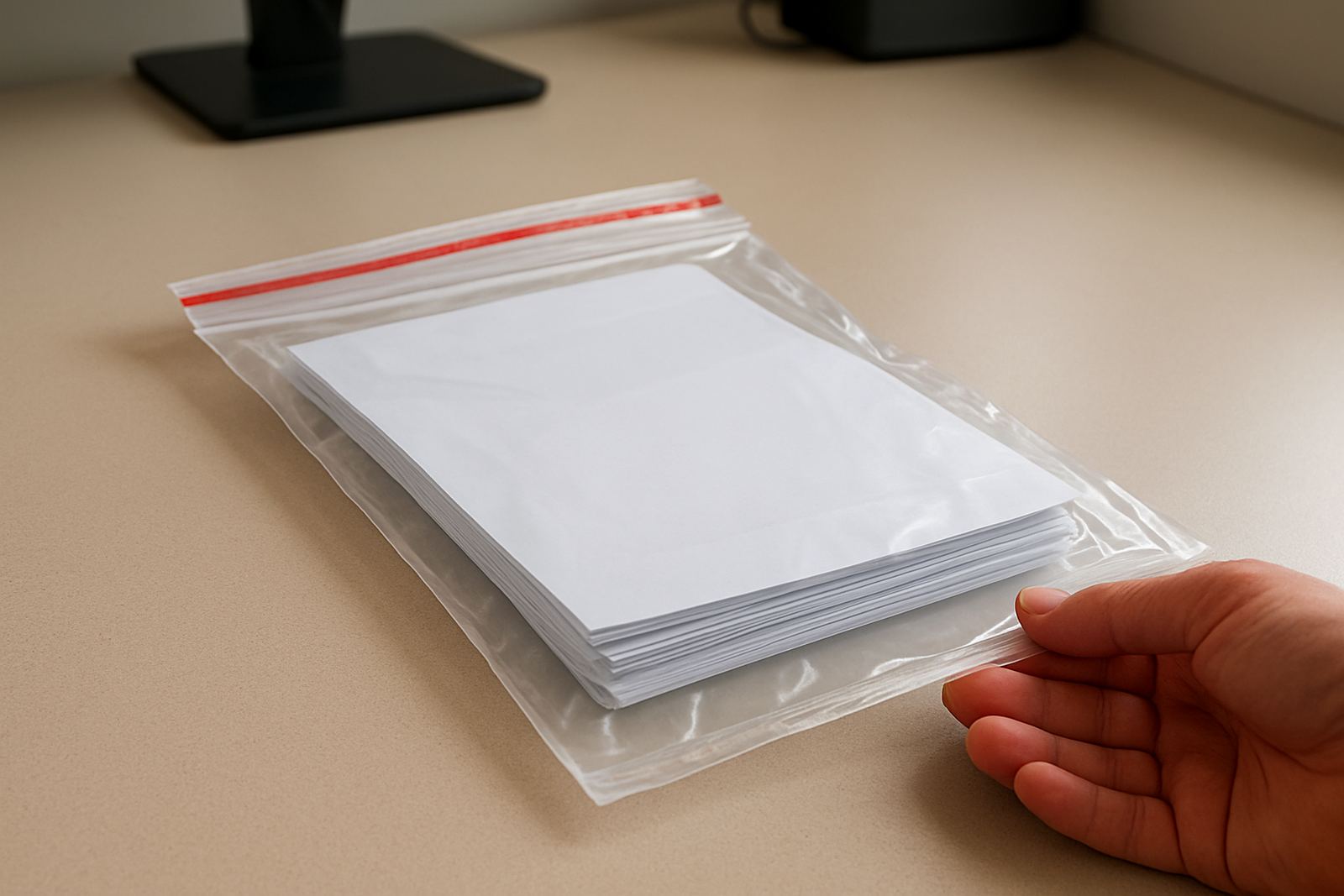
- Choose a resealable envelope for copies and short internal transfers
- Keep each instruction slip or reference number on top of the bundle
- Separate confidential files from general office mail
Protect Against Weather, Dust and Handling
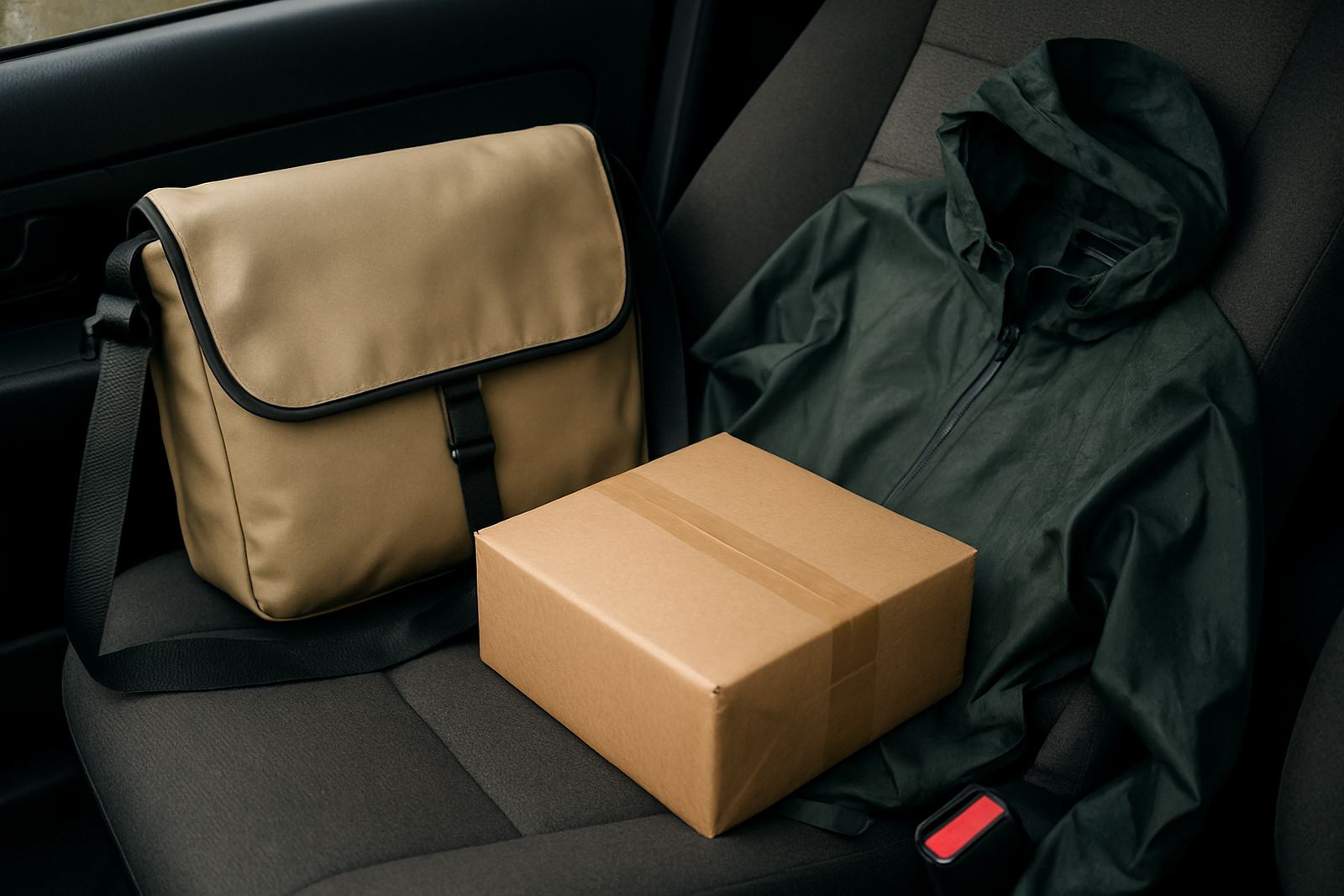
In South Africa, paperwork can be damaged by more than rough handling. Midrand dust, summer rain in Gauteng, coastal humidity in Durban and the damp air that often comes through Cape Town can all affect paper in transit. If a bundle is left near an open tailgate or placed on a wet loading bay, ink can run and edges can curl. That matters for originals, stamped copies and documents that still need to be scanned or filed.
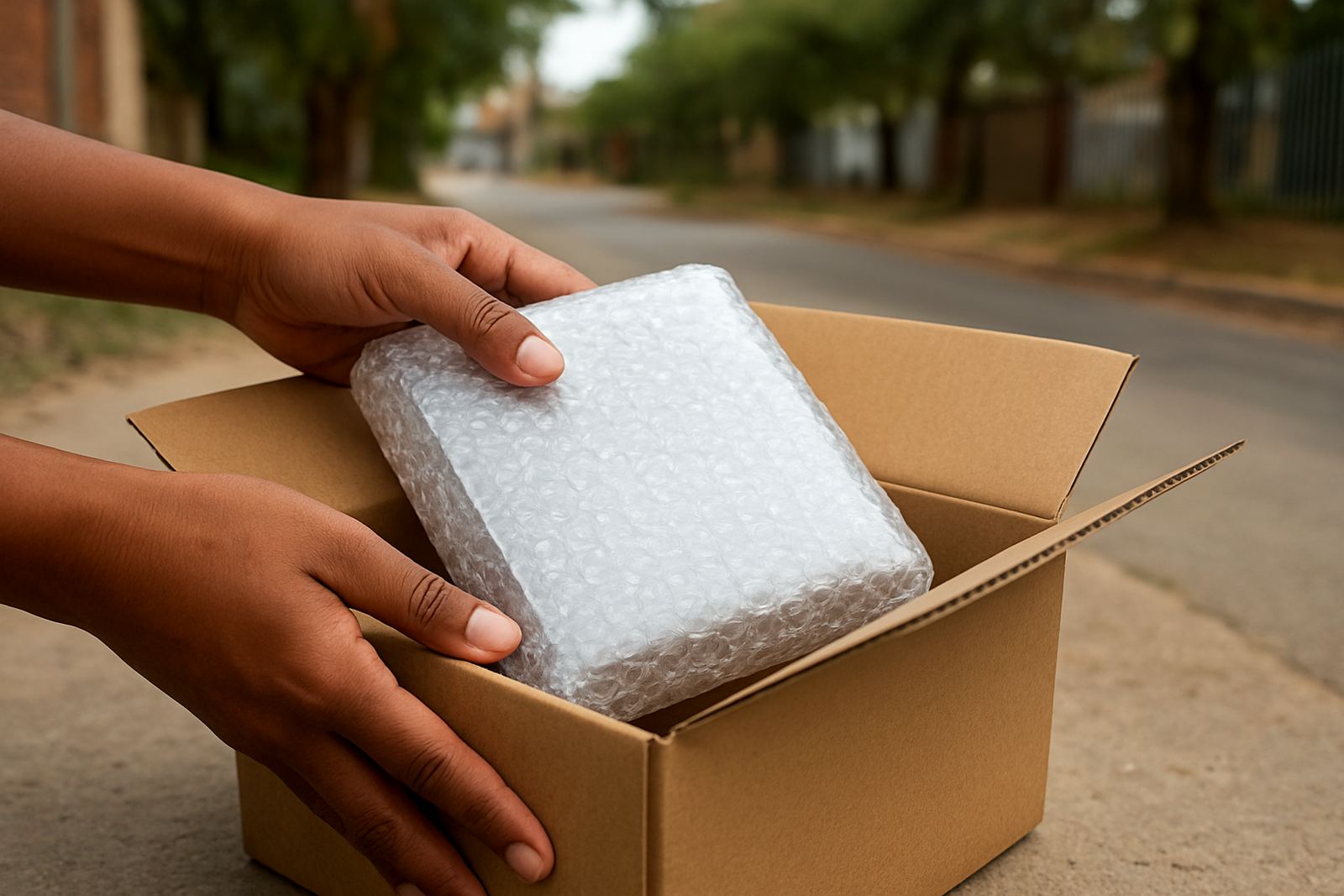
Plastic sleeves help, but they should not be overused for every set. Too much heat in a vehicle can cause pages to stick together, especially if the parcel sits in the sun for a delivery round in Sandton or Randburg. The safest option is a sealed outer envelope with a neat inner folder. If the paperwork is sensitive, ask for a dedicated courier run so it is not mixed with loose items from other stops.
- Keep paper flat and away from bottles, food or cleaning liquids
- Use moisture protection for Durban and coastal routes
- Mark fragile or urgent loads clearly on the cover
- Do not overfill the pack, as corner damage starts there first
Label Clearly Before the Driver Arrives
Good labelling saves time at collection and at delivery. A driver should be able to see the destination, contact person, branch name and any special instruction without opening the parcel. For example, a route from Midrand to Pretoria may need attention to office park access, while a Sandton delivery may need basement parking details or reception hours. If the receiving team only signs after 10h00, that must be noted upfront.
When sending tender submissions or time-sensitive documents, write the reference number on the outside as well as inside the pack. That helps with proof reporting and makes it easier for your admin team to match the delivery back to the file. For multi-branch support, include the branch name so the item does not land in the wrong office. It sounds basic, but many delays start with a poor label and one missing name.
- Include sender, receiver and branch on the outer cover
- Add a reference number for audits or internal tracking
- Note if the contents are originals, copies or signed returns
- State any access rules such as reception-only or after-hours entry
Use the Handover to Count and Confirm
A proper handover is part of document safety. When our team collects from offices in Midrand, Johannesburg, East Rand or Pretoria, the person releasing the item should confirm the count before the parcel leaves the building. If there are five pages and three annexures, say so. If two sets of originals are going to separate destinations, split them before pickup. That way there is no confusion later if one recipient claims a page is missing.
For businesses with daily collections or scheduled routes, a simple handover process keeps things tight. Many companies assign one staff member to prepare outgoing files and another to sign off after collection. It is a small habit but it reduces mistakes, especially when load-shedding interrupts printers, scanners or access control and staff are working from handwritten notes. The fewer rushed decisions at the door, the safer the paperwork travels.
- Count every page, set and attachment before sealing
- Keep a copy of the dispatch note or internal log
- Confirm who may sign for delivery at the destination
- Record any seal number or packet mark if used
Match the Service to the Type of Paperwork
Not every document run needs the same setup. A priority booking suits urgent court papers, signed contracts or tender submissions with a hard deadline. Internal mail runs are better for regular branch-to-branch movement. Dedicated courier work is the safer choice when the load is confidential, heavy on paperwork or too important to share space with other parcels. If a business in Johannesburg needs several files moved between Sandton, Randburg and Midrand in one day, a planned route is often more efficient than ad hoc calls.
For companies that operate across cities, consistency matters. A compliance pack sent from Gauteng to Cape Town should be packed the same way every time, so the receiving team knows what to expect. The same goes for returns management, where signed forms must come back with proof that they were received. A-Two handles document exchange, daily collections, scheduled routes and account management for businesses that need repeat movement rather than one-off trips.
If you are unsure whether a load needs a dedicated run or a standard same-day booking, think about three things: time sensitivity, confidentiality and how many stops the item must make before it gets there.
Practical Checks for Businesses in Midrand and Beyond
Our Midrand base sees a steady flow of office paperwork from nearby industrial parks, corporate sites and shared business centres. The same standards help whether the destination is a branch in Johannesburg, a supplier in Pretoria, or a metro hub in Durban or Cape Town. A local example: a Midrand engineering firm preparing a tender pack for Sandton should keep the originals flat, place the cover letter on top and mark the file as urgent so reception knows what to release first.
For regular senders, a short internal checklist saves time and reduces errors. It is useful for procurement teams, HR departments, legal offices and branch administrators who move paperwork every week. Once the process is set, the same steps can be repeated without relying on memory, which is especially useful during month-end when the office is busy and everyone is under pressure.
- Prepare a clean file cover before the driver arrives
- Keep originals separate from copies
- Check that every signature, stamp and page is present
- Store proof of dispatch with the office record
That sort of discipline is what keeps document movement calm and orderly. It also means the receiving office can file the paperwork immediately instead of phoning back to ask for a missing page or clarification.
Why Careful Preparation Saves Time on Delivery Day
When paperwork is packed well, the delivery run is quicker, cleaner and easier to track. The driver does not need to stop and re-sort items, the receiving office does not need to repair damage, and your team does not waste time chasing missing details. That matters whether the route is a short hop between Midrand and Sandton or a same-day movement into Durban or Cape Town.
For South African businesses, document safety is not only about neatness. It supports compliance, protects originals and keeps workflows moving when offices are busy, printers are down or staff are working around load-shedding. A-Two focuses on that practical side of courier work: clear handovers, careful handling and direct A-to-B movement for documents and small parcels. If you need a regular courier partner for daily collections, scheduled routes or tender submissions, the safest approach starts before the parcel even leaves the office.