
Why late collections matter when the day runs over
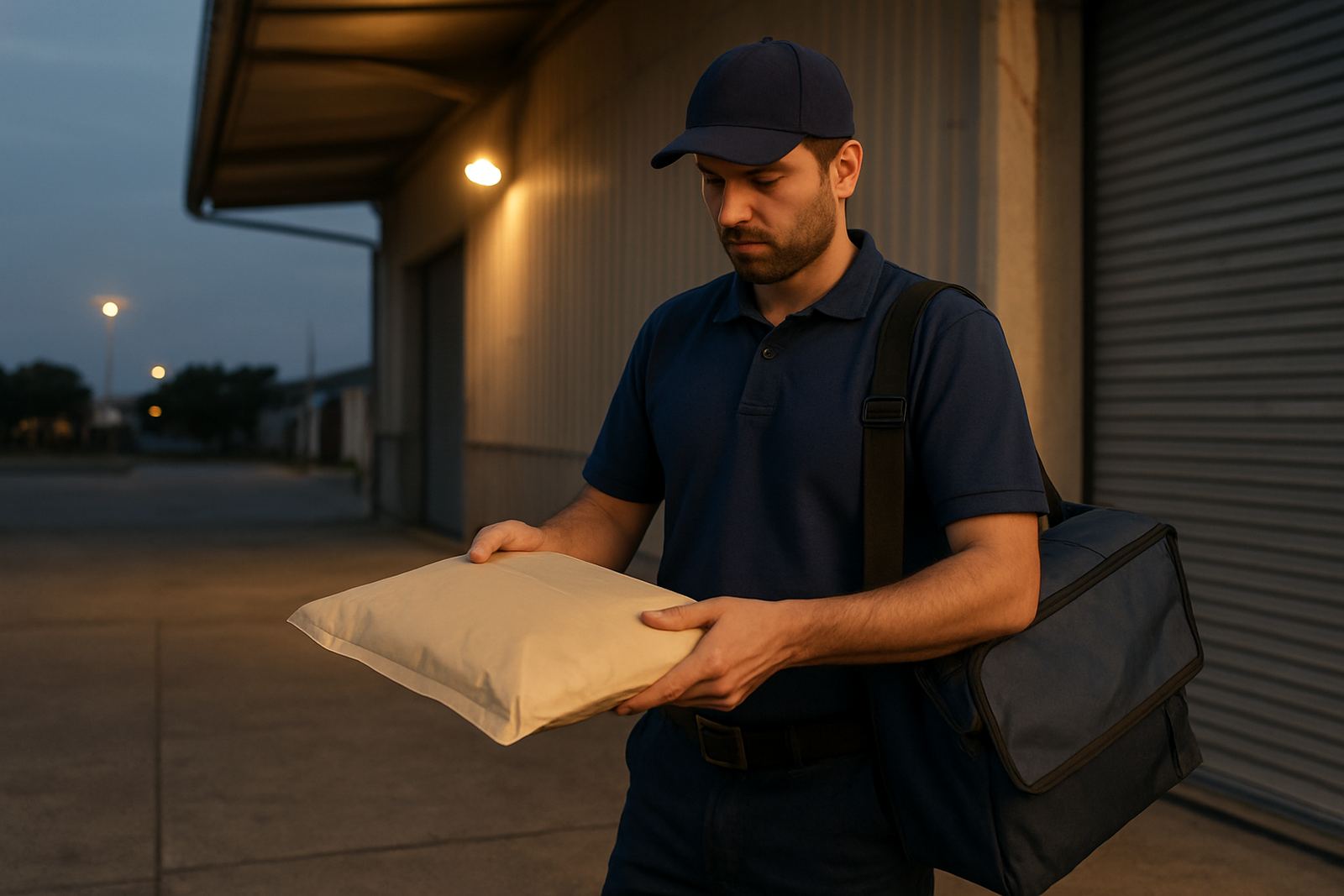
Many businesses in Johannesburg, Midrand and Sandton still need items collected after 17:00, especially when directors sign late, tenders are finalised after meetings, or a branch in another city is waiting on paperwork. After-hours collections help avoid a missed cutoff and can keep a same-day delivery in play instead of pushing it to the next morning.
For offices handling contracts, compliance packs, medical admin, parts requests or customer returns, the real pressure is often not the delivery itself but the handover time. A late collection gives your team a proper finish to the day, and it helps reduce those last-minute trips to reception after load-shedding has already changed the rhythm of the office.
What can be collected after hours
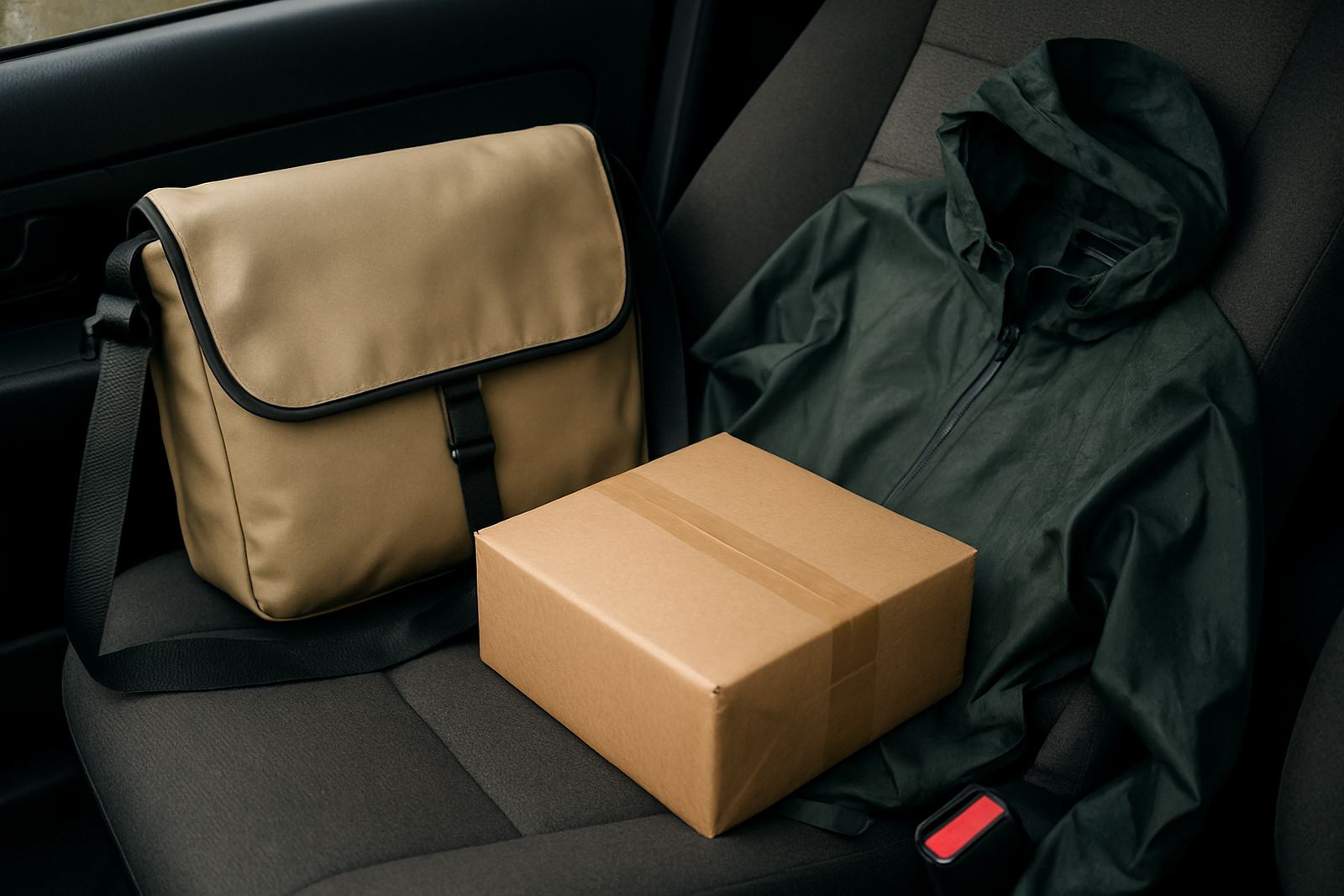
After-hours work is best suited to items that are small, secure and ready to move. The focus is on quick handover, point to point transport and clear proof of collection. In most cases, that means documents, envelopes, small parcels, internal mail and compact retail or office items. If a package needs special handling, it is better to flag it early so the right vehicle and route can be planned.
- Signed agreements, bid packs and tender submissions
- Invoices, statements and compliance documents
- Small retail parcels and replacement parts
- Internal mail runs between branches
- Returns that need to reach a depot or supplier quickly
How businesses use after-hours collections in practice
A late pickup is not only for emergencies. Many teams build it into their normal workflow so the next morning starts cleaner. In Midrand, for example, a procurement team may finish a supplier pack at 18:30 and need it delivered to a Sandton office before first thing the next day. A legal practice in Randburg may need signed papers moved to Pretoria after court prep has run over. These are everyday logistics problems, not special cases.
After-hours collections also help companies with multiple branches. If your Durban team closes a day’s work after the Gauteng office has already knocked off, a coordinated pickup can keep everything aligned. That is especially useful for businesses that work across metro hubs and need a simple A-to-B handover without extra admin or confusion.
Planning a smooth pickup after standard office hours
The most efficient late collection is the one with clear instructions before the driver arrives. Give the pickup point, contact person, item count and any building access details up front. If the office park has boom gates, security logging or after-hours reception rules, share that too. It saves time and avoids a second call at the gate, which nobody enjoys.
- Pack the item before the pickup time and label it clearly
- Confirm who will release the parcel and who will receive it
- Share floor, unit and loading bay details where relevant
- Note any access codes or security checks for the building
- Set the latest acceptable collection time, not just an estimate
Simple preparation matters even more when the day has already been long. A late handover should feel controlled, not rushed. That is where good dispatch and calm coordination make a real difference.
Local conditions that affect late courier runs
South African after-hours work has its own practical realities. In Gauteng, traffic can stay heavy long after normal peak time if there is a concert, match or freeway incident. In Durban, humidity and coastal weather can affect packaging if items are left near an open doorway too long. In Cape Town, wind and evening access rules in office districts can change how a driver approaches the site. These details may seem small but they affect timing and safety.
Load-shedding also plays a role. If your office loses power just as a file is being scanned or printed, a late collection can still go ahead if the parcel is ready and the handover is organised. For urgent documents, the best approach is to treat the pickup as part of the end-of-day process, not an afterthought.
What A-Two looks for in an after-hours request
At A-Two, after-hours collections are handled with the same attention as daytime work, but the planning has to be tighter. The aim is to keep the process practical, punctual and easy to track from pickup to drop-off. That means matching the right route to the right item, checking access details before dispatch and keeping the client informed through the process.
If you are arranging a collection from Midrand, Johannesburg, Sandton, Randburg, Pretoria, the East Rand, Durban or Cape Town, it helps to think ahead about the full chain. Where is the item leaving from, where must it land, and who is responsible at each end? Once those details are clear, the handover is usually straightforward and very little gets left to chance.