
Why a document run is not the same as a parcel run
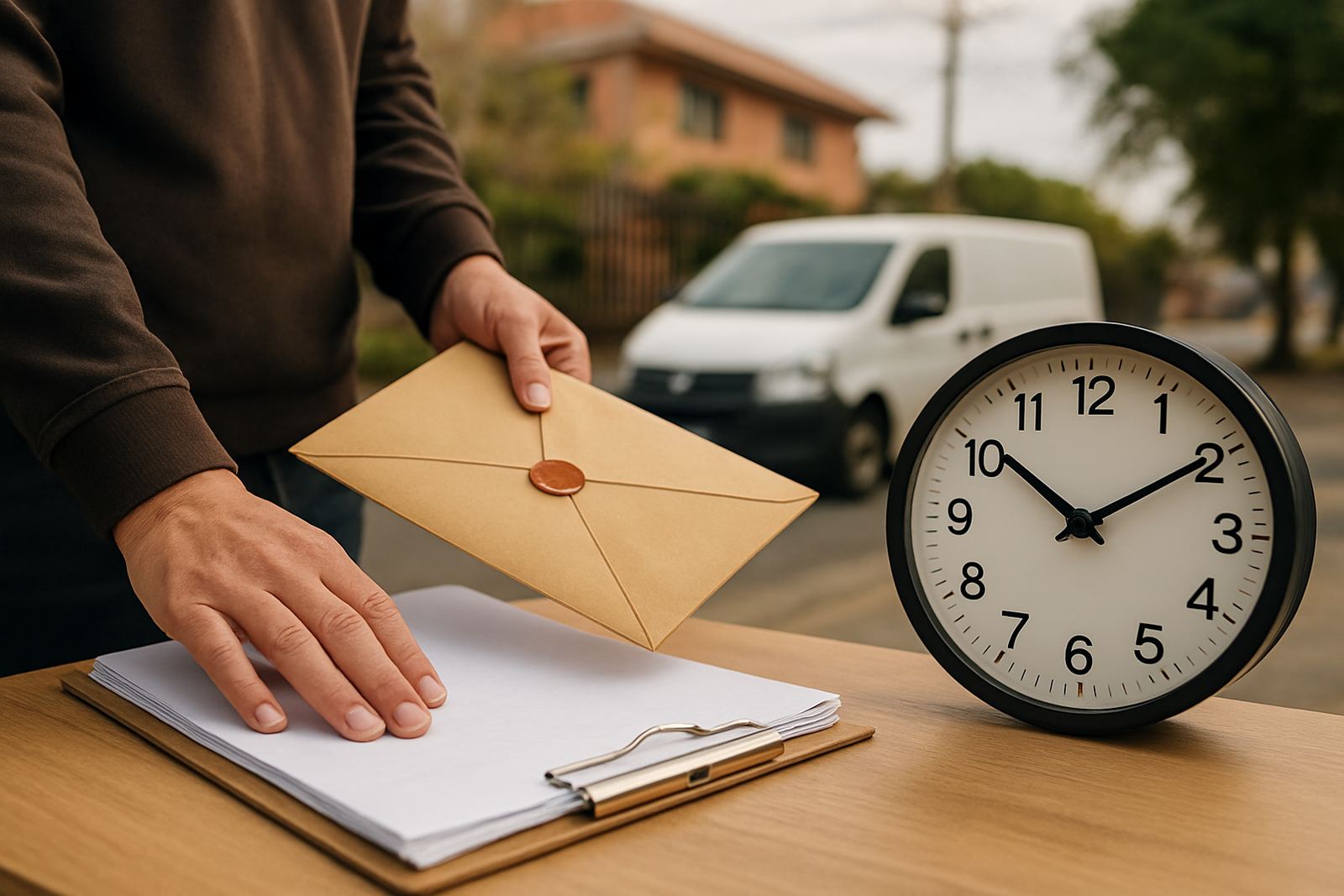
At first glance an envelope and a small box look like the same job. In practice they are handled differently from the moment they are collected in Midrand to the time they are signed for in Sandton, Pretoria or beyond. Documents are usually time-critical, flat, and easy to misplace if they are not checked properly. Parcels are bulkier, can shift in transit, and often need more care around packaging, weight and proof of condition.
That difference affects how a same-day courier plans the run. A file for a tender submission may need direct point-to-point movement with no extra stops. A small parcel may still be urgent, but it often needs packaging checks, a sturdier handover and slightly more room in the vehicle. The aim is the same, but the handling is not.
For businesses that send out contracts, compliance packs, cards, samples, or replacement parts, getting this right saves time and reduces avoidable calls later in the day.
What we check first before a collection leaves Midrand
A proper collection starts with the item itself, not just the address. Before anything leaves a Midrand base, the dispatcher or driver should know what is being carried, who must receive it, and whether the item needs a signature, photo proof or return slip. That matters even more on same-day work where traffic on the N1, M1 and major arterials can change quickly after 07:00.
Documents and parcels are assessed differently because the risk is different. A document can be damaged by bending, moisture or an incomplete handover. A parcel can be crushed, opened, or delayed if it is not packed well. In humid coastal areas like Durban, paper can curl if it is not sealed properly, while in Cape Town wind and rain can affect outer packaging and labels. On busy Gauteng routes, small items can also get mixed up if there is no clear marking.
- Use a sealed envelope or file wallet for papers that must stay flat.
- Box small items with enough internal protection so they do not move around.
- Add recipient name, branch, floor or department if the handover point is not obvious.
- Keep a copy of reference numbers and booking details for follow-up.
Handling differences that matter on the road
Drivers do not treat every item the same, because the risks are different. Documents are usually lighter and quicker to load, but they need protection from rain, dust and accidental folding. Parcels need more care around stacking, tie-downs and placement in the vehicle so that they are not knocked during braking or loading. A file for a law firm in Sandton is not managed the same way as a small carton of marketing material going to a branch in Randburg.
It also changes how handovers are done. A document run often needs direct delivery to a receptionist, personal assistant or records team, with a clear sign-off. A parcel may need to go to goods receiving, security, or a loading bay, and that can add a few minutes if the building has access rules. In some office parks and municipal buildings, after-hours access is limited, so it helps to book the right delivery window from the start.
Load-shedding can also influence timing. If a recipient site has access control systems or lifts that depend on power, a document handover may still be possible at reception while a parcel requiring storage can sit longer than planned. That is why clear instructions are not a luxury, they are part of the job.
When the item is a document but the job is really a parcel job
Not every envelope should be treated as simple paperwork. Some document runs carry original certificates, signed agreements, banking documents or tender files with multiple annexures. These are flat items, but they often need the same discipline as a parcel because the contents are important and sometimes irreplaceable. If pages are loose, clipped badly or stuffed into an overfull sleeve, the risk of loss goes up.
This is also where clients sometimes understate the job. A tender pack may look like a document run, yet it can include binders, tabs, sealed declarations and extra copies. If the pack is heavy enough to bend or bulge, it should be treated as a parcel for packaging and collection purposes, even if the core item is paper-based. That avoids damage and keeps the proof trail clear.
- Treat multi-page legal or tender packs as sensitive items, not loose paper.
- Seal all contents before handover, especially if pages can be rearranged.
- Ask for proof reporting where the sender needs confirmation on arrival.
- Use scheduled routes for recurring submissions so nothing is rushed at month-end.
How small parcels behave differently in same-day courier work
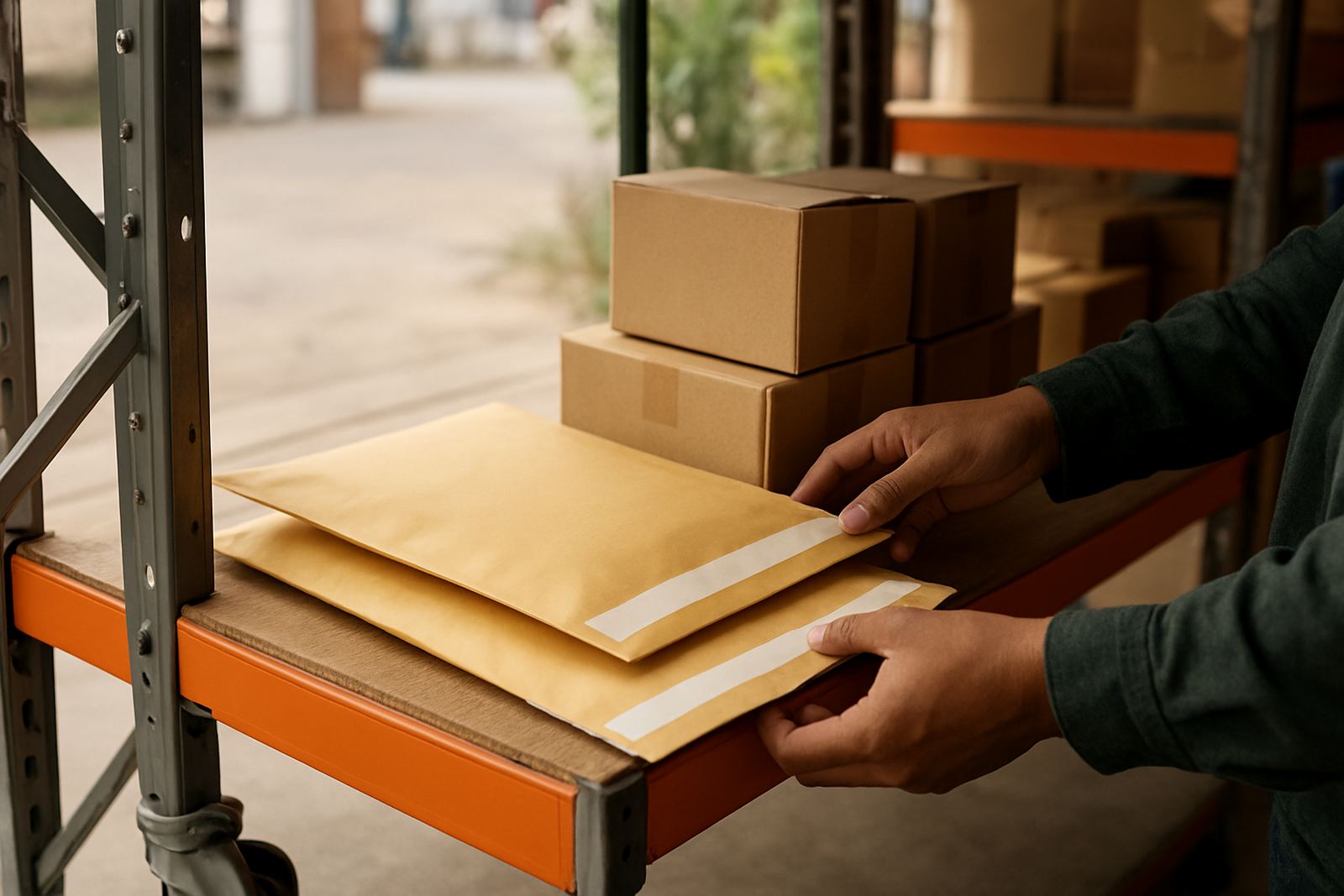
Small parcels bring different practical issues. They may fit in the palm of a hand or occupy a small box, but they still need to be weighed, measured and protected. A parcel can contain samples, fittings, branded items, electronics accessories, or internal stock. The courier must know if the item is fragile, whether it should stay upright, and if there are any handling instructions from the sender.
For same-day work across Gauteng and metro hubs, parcel handling often needs a bit more planning because the vehicle route may involve multiple drops. A courier doing a document exchange between Midrand and Pretoria can move quickly with one file. A courier carrying several small parcels for different branches in Johannesburg and East Rand needs order, labelling and a clean chain of custody. That is where dedicated courier and multi-branch support become useful.
Good packing still matters more than people think. A box that is too large lets the contents move. A box that is too soft can collapse in the boot. If the item has corners or can scratch, wrap it properly before collection. The driver should not have to guess what is inside.
A practical local example from Midrand to Sandton and Durban
Consider a Midrand office that needs to send a signed agreement to Sandton before 12:00, and a small replacement part to Durban the same afternoon. The agreement is a document run. The part is a parcel run. They may be booked under the same account, but they do not need the same preparation or handling.
The Midrand to Sandton item may go straight from reception to recipient with proof of delivery and a quick signature. The Durban parcel may need stronger packaging, a clearer label and a note about where to hand it over at the receiving depot. If the Durban recipient works with restricted loading hours, the booking should be planned earlier in the day, not left for the last minute.
That is the value of a courier team that knows the difference. It keeps the job moving without forcing every item into the same mould.
Choosing the right service for your next booking
If you are sending documents, ask whether the item needs direct delivery, signature confirmation, or return handling. If you are sending a parcel, ask whether it is fragile, how big it is, and whether it needs to stay upright. These questions are simple, but they help the courier place the item on the right vehicle and plan the route properly.
For recurring business work, account management and scheduled routes make life easier because the same rules apply every time. For urgent items, priority bookings help when the clock is tight. For branches in Johannesburg, Pretoria, Randburg, Sandton, East Rand, Durban and Cape Town, the best results come from giving the right detail upfront rather than explaining the problem after collection.
Documents and parcels both deserve care. The difference is in how they are packed, tracked and handed over, and that is where a practical courier service earns trust.