
From booking to collection window
A clear booking request makes route planning easier. We need the collection point, the delivery address, the item size, and whether the job is a document, small parcel or multi-stop run. For urgent work in Midrand, Sandton, Randburg or Pretoria, the earlier the booking comes in, the better the routing options are. A morning booking can often be placed on a vehicle before midday, while later requests may need to fit into the next practical run.
In Gauteng, collection timing is shaped by peak traffic on the N1, N3, N14 and main urban routes. If a parcel has to move from Midrand to a Sandton office park or from East Rand to Pretoria, we plan around school traffic, toll roads and access control at business parks. That means a driver may arrive inside a booked window rather than at an exact minute, and that is normal for courier work.
For businesses with daily collections, scheduled routes make the process smoother. Reception can prepare items in batches, which saves time and reduces the chance of missed handovers.
What happens once the item is collected
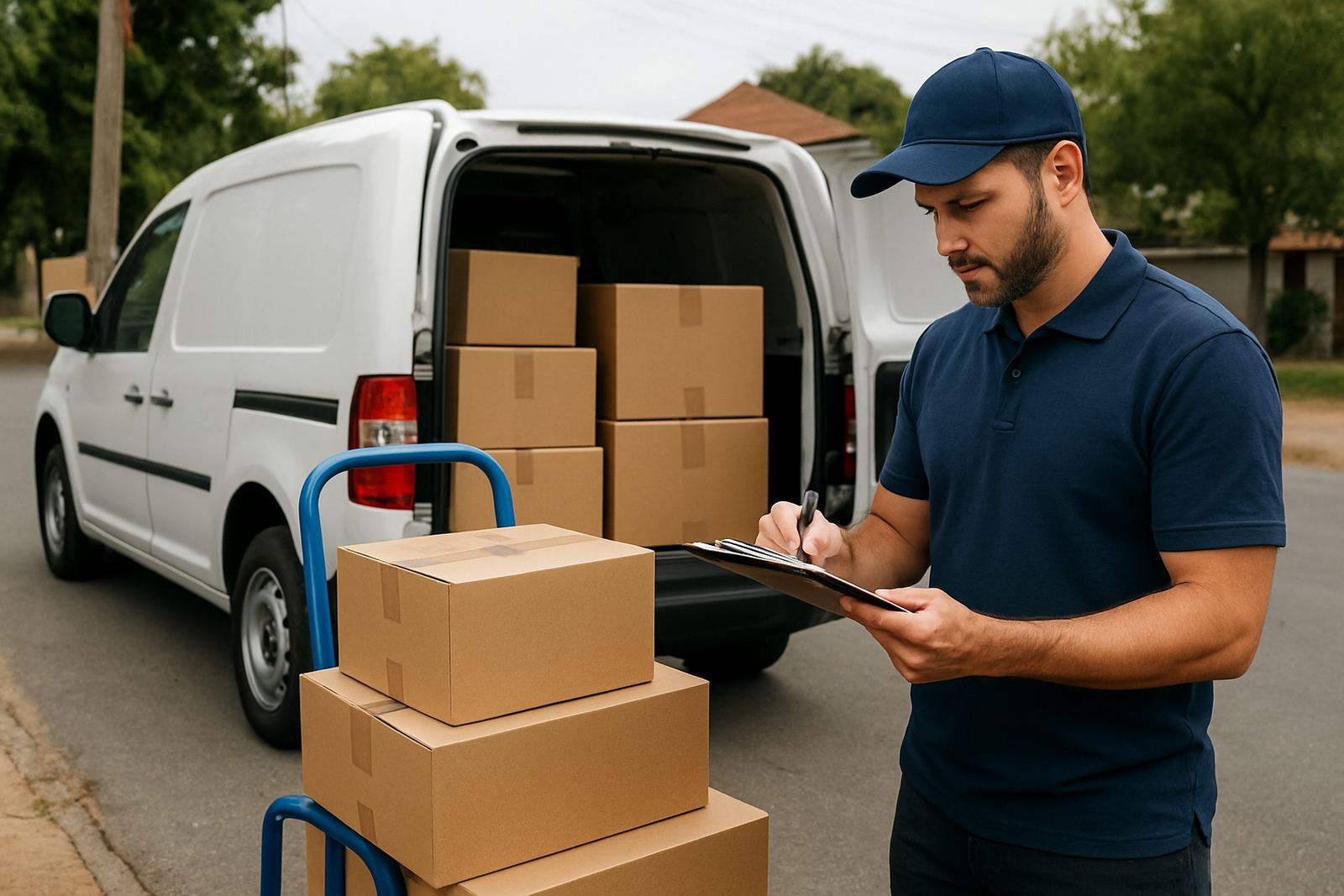
After collection, the item is checked against the booking details and loaded for the most practical route. Documents are kept separate from bulkier parcels where needed, and fragile items are handled with extra care. If a job is part of a dedicated courier booking, that vehicle moves only for that delivery sequence. If it is part of a grouped route, the parcel is matched with nearby drop-offs to reduce empty mileage and keep costs controlled.
Our dispatch team follows the route in real time and adjusts if there is a road closure, accident, load-shedding related access issue or a building security delay. In Johannesburg and Pretoria, a five minute delay at one stop can push back the whole chain, so good dispatch work matters. This is where clear communication between the client services team and the driver makes a real difference.
- Items are logged against the booking before departure.
- Deliveries are grouped by area where possible.
- Urgent loads can be sent on a dedicated run.
- Route changes are handled by dispatch, not left to guesswork.
Routing across Gauteng and metro hubs
Most same-day courier work is a routing exercise. A parcel from Midrand to Sandton may travel in a short direct run, while a delivery from Johannesburg to Durban or Cape Town follows a different line of planning because it involves metro hub handover and flight or linehaul coordination. The aim is always the same, get the item to the right place without wasting hours on poor sequencing.
In Gauteng, we work across Midrand, Johannesburg, Sandton, Randburg, Pretoria and the East Rand. That gives us enough coverage to build sensible routes for offices, warehouses, legal firms, medical rooms and suppliers who need dependable movement between branches. For Durban and Cape Town metro work, the timing often depends on cut-off times and final-mile access at the receiving site.
A good route is not just the shortest one, it is the one that avoids known hold-ups and still meets the delivery promise. That is why local knowledge matters so much in courier work.
Final handover and proof of delivery
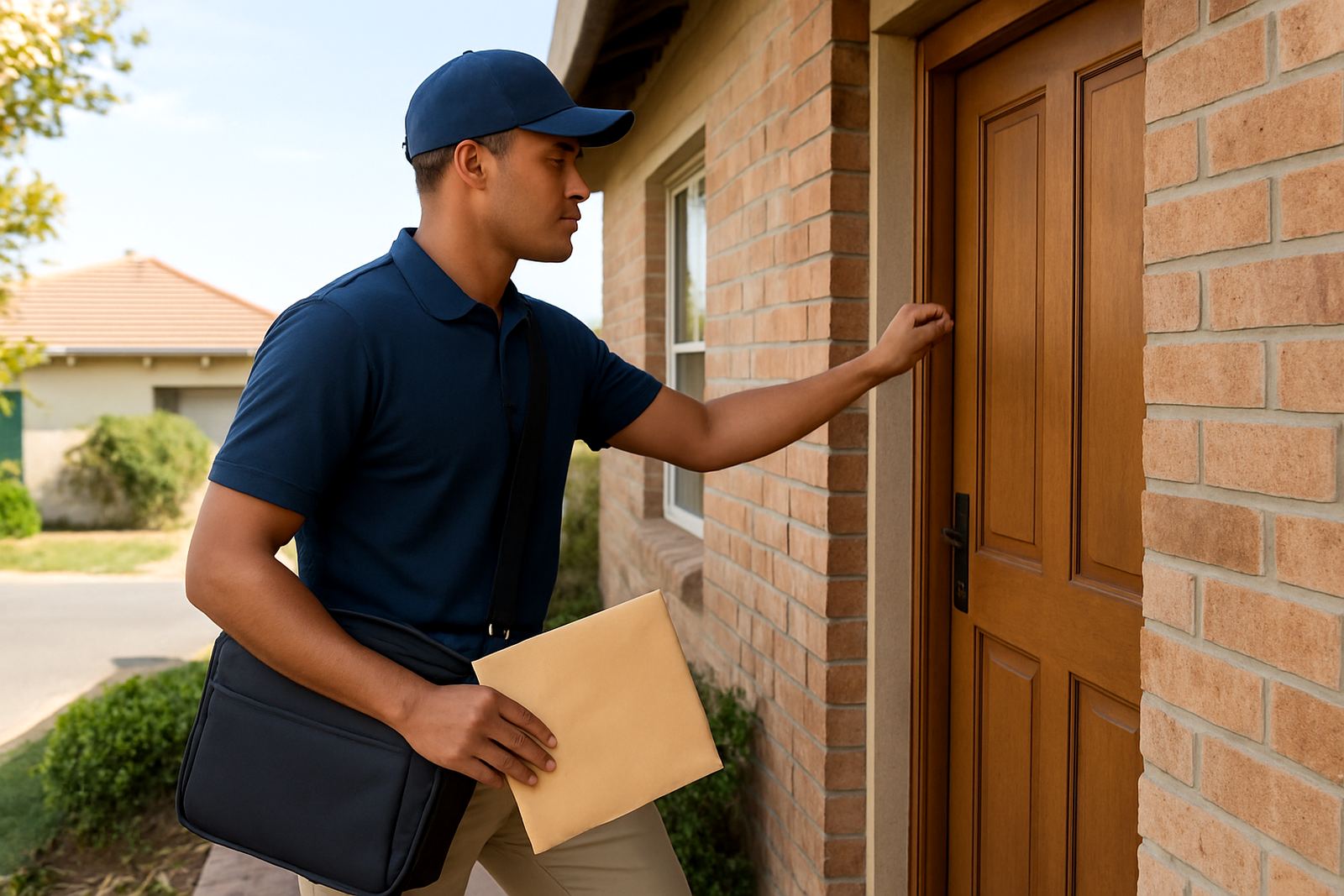
The last step is the handover, and this is where accuracy counts. The driver confirms the recipient, hands over the item to the correct person and records proof of delivery. Depending on the job, proof may include a signed slip, name and time stamp, or a digital status update for the client. For account customers and multi-branch support, proof reporting helps the office team see what was delivered and when.
At business parks, hospitals, government offices and industrial sites, handover can be slowed by security counters, access cards or loading bay rules. In coastal areas like Durban and Cape Town, building access and wind or rain can also affect how quickly a driver gets to the right receiving point. We work through those practical issues without making a fuss, because that is part of the job.
- Recipient name and time are checked at drop-off.
- Proof is recorded for tracking and billing.
- Any delivery issue is flagged immediately.
- Returns can be arranged on the same route if needed.
How same-day works for documents and small parcels
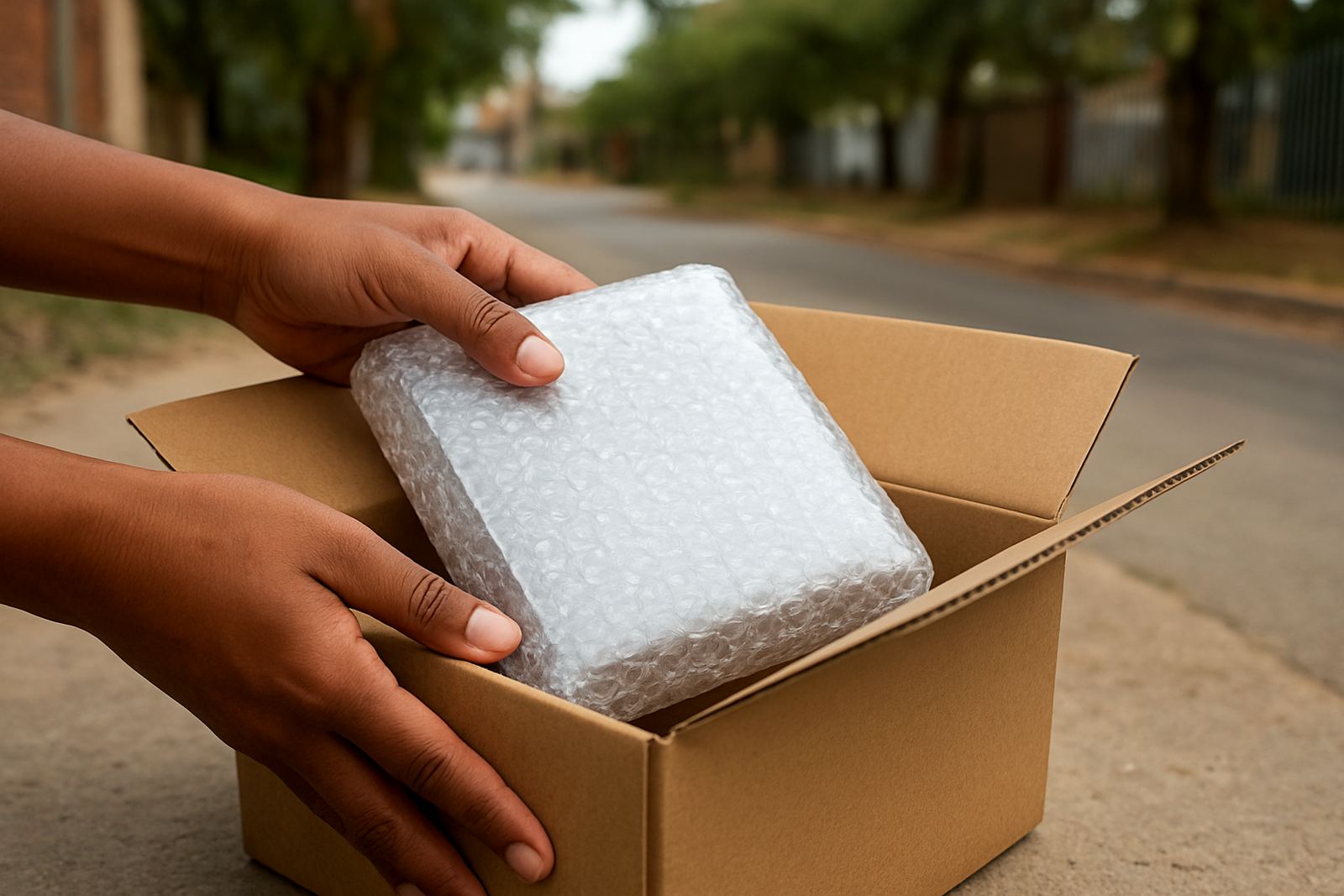
Documents are usually the simplest same-day job, but they still need proper handling. Tender submissions, contract packs and legal papers should be sealed and labelled clearly so there is no confusion at collection. Small parcels may need a bit more planning if they include samples, spares, branded material or items that must stay upright. If a parcel must not be folded, stacked or left in heat, tell us upfront so we can place it on the right run.
For coastal deliveries, humidity can affect paper, packaging tape and cardboard over time, so a neat wrap helps. In hot weather, parcels left in open loading zones can also soften or mark if they are not packed properly. That is why practical packaging is part of same-day success, not just the driving.
When clients use daily collections or internal mail runs, the process gets easier because the team already knows the routine, access points and preferred drop-off contact. It cuts down on calls and saves time on both sides.
A local example from Midrand to Pretoria and back
Here is how a normal same-day run can work. A Midrand office books a contract pack for delivery to Pretoria before lunch. The collection is made from the reception area in the morning, the item is checked into the route and the driver heads north after peak traffic eases. The handover is completed at the Pretoria site, proof is captured and the client is updated. Later that afternoon, a return document from the same recipient is brought back on a scheduled back-run.
That kind of route is common for firms that move papers between branches, suppliers or external service providers. It saves staff from leaving the office, and it keeps the process moving even when the day is busy. If a second delivery comes in from the East Rand or Randburg, dispatch can see whether it fits the same route or needs its own priority booking.
This is where same-day courier work becomes practical business support instead of just transport. The value is in getting the right item to the right place, on the same day, without confusion.
How to help a same-day booking run on time
The quickest jobs are usually the best prepared. Clear instructions, easy access and correct contact names all save time. If a site has security rules, parking limits or a loading bay sign-in process, mention it when you book. If the item is urgent, say so plainly, because priority bookings are planned differently from routine runs.
You can also help by keeping the parcel ready before collection, confirming the receiving address and avoiding last-minute changes. One wrong floor number or unit name can add a lot of delay in a place like Sandton or central Durban. The more accurate the booking, the smoother the route.
- Have the item packed and labelled before collection.
- Give the full address, unit number and recipient name.
- Note any access rules or security checks.
- Tell us if the delivery is urgent or time-sensitive.
When same-day is done well, it feels simple. Under the surface, though, it takes timing, local knowledge and a careful handover from start to finish.