
Retail route built for a busy Benoni trading pattern
The client was a multi-branch retail operation in Benoni with stores that needed a regular link for paperwork, warranty slips, stock adjustment forms and light accessory parcels. The team wanted one dependable run that could connect the branches without staff having to chase different drivers or repeat instructions every day. We shaped the route around opening times, security gate access and the traffic flow between Benoni, Boksburg, Kempton Park and nearby East Rand points.
The project started with a short mapping exercise over 3 days, then moved into a two week live trial. That let us test the best collection order, confirm loading points at each store and check where delays were likely to happen at peak traffic times. We also built in a back-up plan for load shedding at stores where security, access control or printing of handover notes could be affected.
- Route type: multi-stop retail collections and drop-offs
- Area covered: Benoni and surrounding East Rand nodes
- Consignment mix: documents, envelopes, small boxed accessories
- Service window: same-day weekday runs with planned collection times
What the client needed us to solve
The main issue was not distance, it was consistency. The client had several branches sending out small but important items, and each store handled paperwork slightly differently. Some branches needed an early morning collection before the first trading rush, while others only released parcels after midday stock checks. We had to keep the run moving without creating clutter at till points or slowing staff down during customer traffic.
There was also a compliance side. The client needed clear proof that documents had moved from one site to another, and that any returned items were accounted for at every handover. In retail, even a missing invoice or misplaced key pack can cause admin delays later in the day. We built the route so every stop had a named contact, a time band, and a simple sign-off process that worked even when a branch was busy or running short-staffed.
- Multiple collection points with different release times
- Need for proof of collection and delivery on every stop
- Small parcels had to stay separate from paperwork
- Driver instructions needed to be simple and repeatable
How we ran the Benoni store route
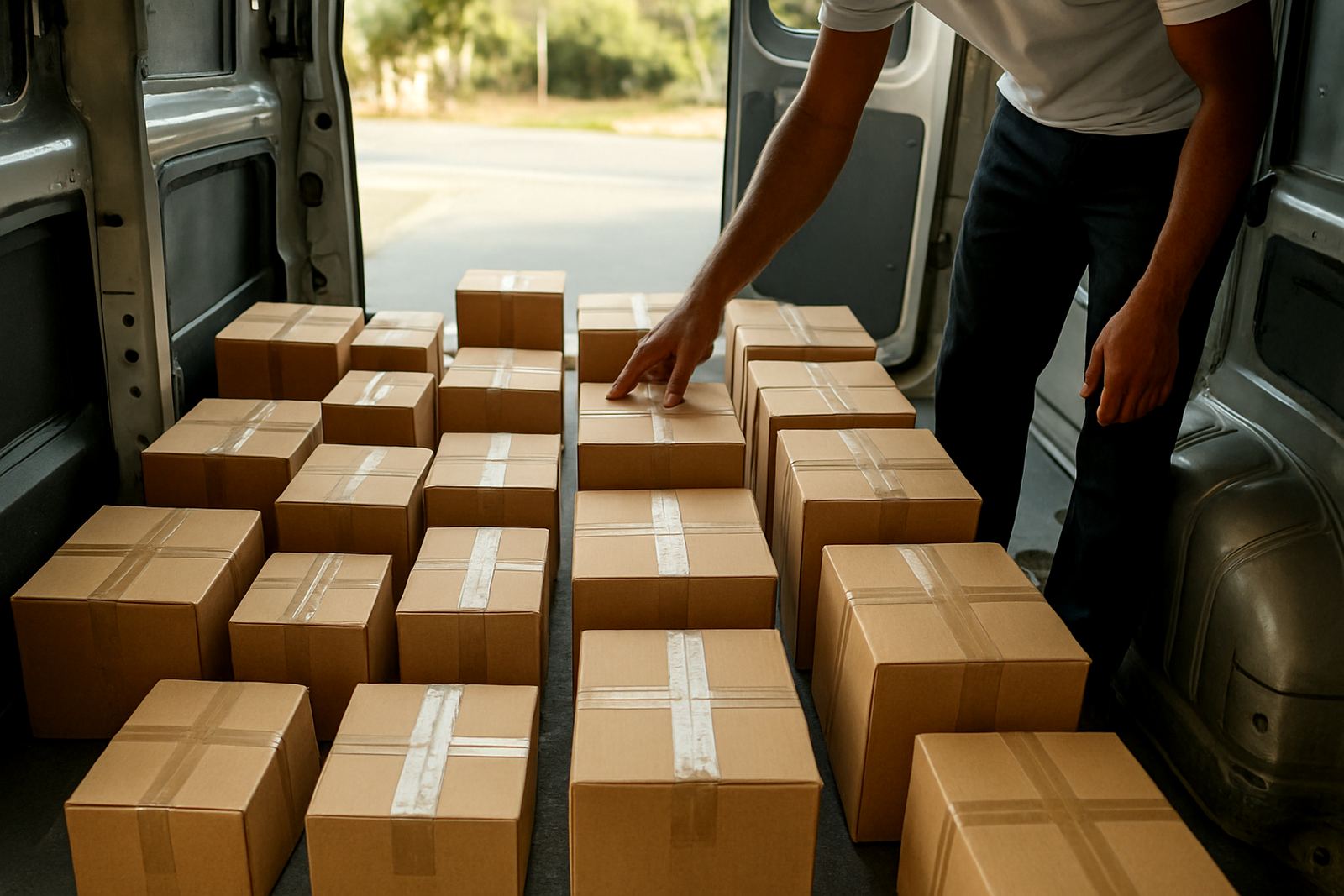
We assigned one dedicated vehicle to the route and kept the load light for quick stop times. The route plan used a fixed order for the main stores, then a flexible slot for urgent pickups where needed. Nandi Zulu handled the dispatch flow, while Kreeson Appalsamy coordinated the vehicle timing and availability. Mishka Moodley managed the client updates, so branch managers always knew when to expect the next collection. The Midrand base controlled the line-haul movement and checked that each run was closed out before end of day.
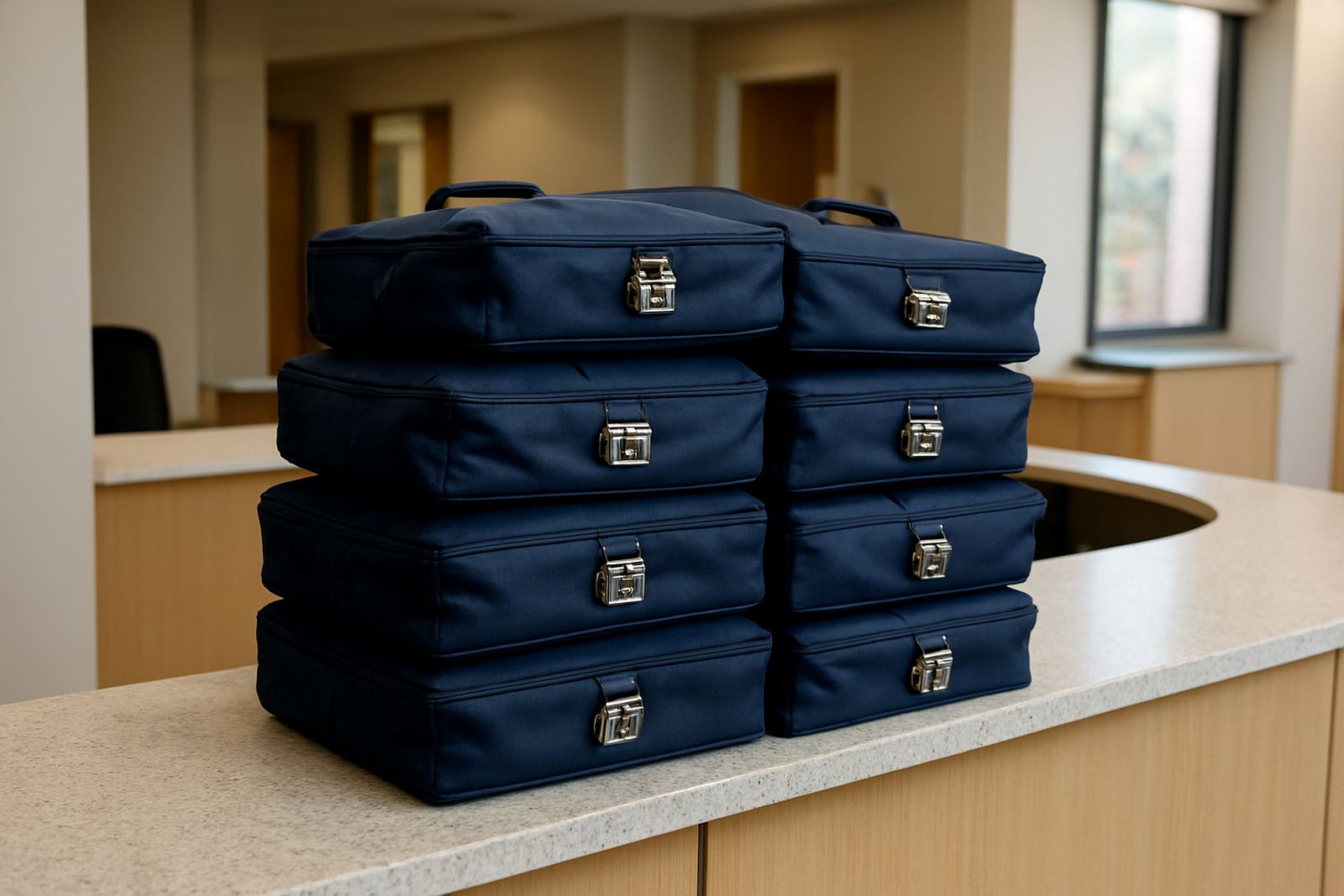
To keep the run efficient, we used sealed document wallets for paperwork and separate satchels for accessory parcels. That cut down on confusion at handover points and made counting quicker. Willem Botha checked the compliance side of the route and made sure the handling process matched the client’s internal rules. In some branches, the security counter required vehicle details and sign-in before entry, so we kept the process neat and brief, with no wasted time.
- Dedicated driver and vehicle for the route
- Separate handling for documents and small parcels
- Live dispatch oversight from Midrand
- Proof reporting after each completed stop
Timeline, rhythm and operational constraints
The route was completed over 4 weeks from planning to stable daily operation. Week one covered branch visits, contact confirmation and collection sequencing. Week two was the live test period, where we adjusted stop order and tightened the handover window. By week three the route had settled into a clear daily rhythm, and week four was used to confirm that the process held up during busy trading periods, rain delays and heavier traffic on the main roads into Benoni.
Operating in Gauteng means allowing for school traffic, taxi delays and sudden weather changes. We also had to think about access where branch parking is tight or the loading point sits near the front entrance. At two sites, the client wanted collections done before the floor got busy, so we moved those stops earlier. That helped keep the route on time and reduced pressure on store teams. It also meant less waiting around for the driver, which matters on a multi-stop run.
- Planning and branch checks: 1 week
- Live test and adjustments: 1 week
- Stabilisation and daily running: 2 weeks
- Constraints covered: traffic, access control, load shedding, store trading peaks
Results that mattered to the client
The final result was a cleaner retail movement pattern with less branch-to-branch confusion. Store managers stopped using ad hoc lifts and could rely on one scheduled courier run for documents and accessory parcels. That reduced late handovers, improved accountability and made it easier for the client’s head office to trace what moved where. The route also cut down on calls between branches because everyone knew the collection sequence and the expected delivery times.
Another gain was better handling discipline. Once the team moved to a fixed route with proof reporting, missing signatures became rare and branch teams had clearer records for returns and internal admin. The client also liked that the service felt personal, not just transactional. If a branch had a change in release time or a parcel needed to be added, the dispatch team could adjust without turning the whole day upside down. It sounds simple, but for retail operations that is what keeps the wheels turning.
- More predictable same-day collections
- Fewer branch follow-up calls
- Clearer proof of handover and delivery
- Better control over returns and internal documents
What we would repeat on the next store route
If we ran this kind of route again, we would keep the same basic structure: one dedicated vehicle, a fixed stop order, and clear contact names at each site. That format works well for retail because it keeps things steady when trading conditions change. We would also keep the paperwork simple. A short route sheet, a sign-off at every stop, and a daily proof report are enough to keep the whole chain accountable.
For a Benoni retail client, the best approach is practical and local. Start early, allow for traffic, and keep the route close to the stores that actually need it. That is how A-Two handles this kind of work from the Midrand base, with same-day runs across Gauteng and into the bigger metro hubs when the brief calls for it. The key is not fancy language, it is getting the right parcel to the right place on time, every time.
- Keep route sequencing fixed where possible
- Use one driver and one dispatch contact
- Separate documents from small goods
- Plan for traffic, security checks and load shedding
Key facts
| Project type | Multi-stop retail store route |
|---|---|
| Town | Benoni, Gauteng |
| Run frequency | Same-day scheduled weekday movement |
| Items moved | Documents, envelopes and small accessory parcels |
| Timeline | 4 weeks from planning to stable operation |
| Reporting | Proof of collection and delivery after each stop |