

When office-to-office delivery cannot wait
Corporate teams usually need a courier when internal movement is slowing down a task that has a deadline attached to it. That can be a signed procurement file leaving Sandton for Pretoria, an HR pack going from Midrand to Randburg, or sealed tender documents needing same-day handover before close of business. In these cases, reliability matters more than guessing a delivery window.
Our corporate office service is built for A-to-B movement of documents and small parcels, with direct collections, clear handovers and proof reporting after delivery. It suits businesses that need inter-office mail runs, urgent document exchange, returns management and scheduled route support without having to manage multiple ad hoc drivers or chase status all day.
For offices in Johannesburg, Midrand and the East Rand, same-day service is often enough for most internal needs. For Durban and Cape Town, the same principle applies for metro hub runs, especially where a document must move between branches, attorneys, auditors, suppliers or clients on the same day. In load-shedding periods, physical delivery still keeps work moving when scanners, copiers and building access controls are affected.
Typical items moved between branches
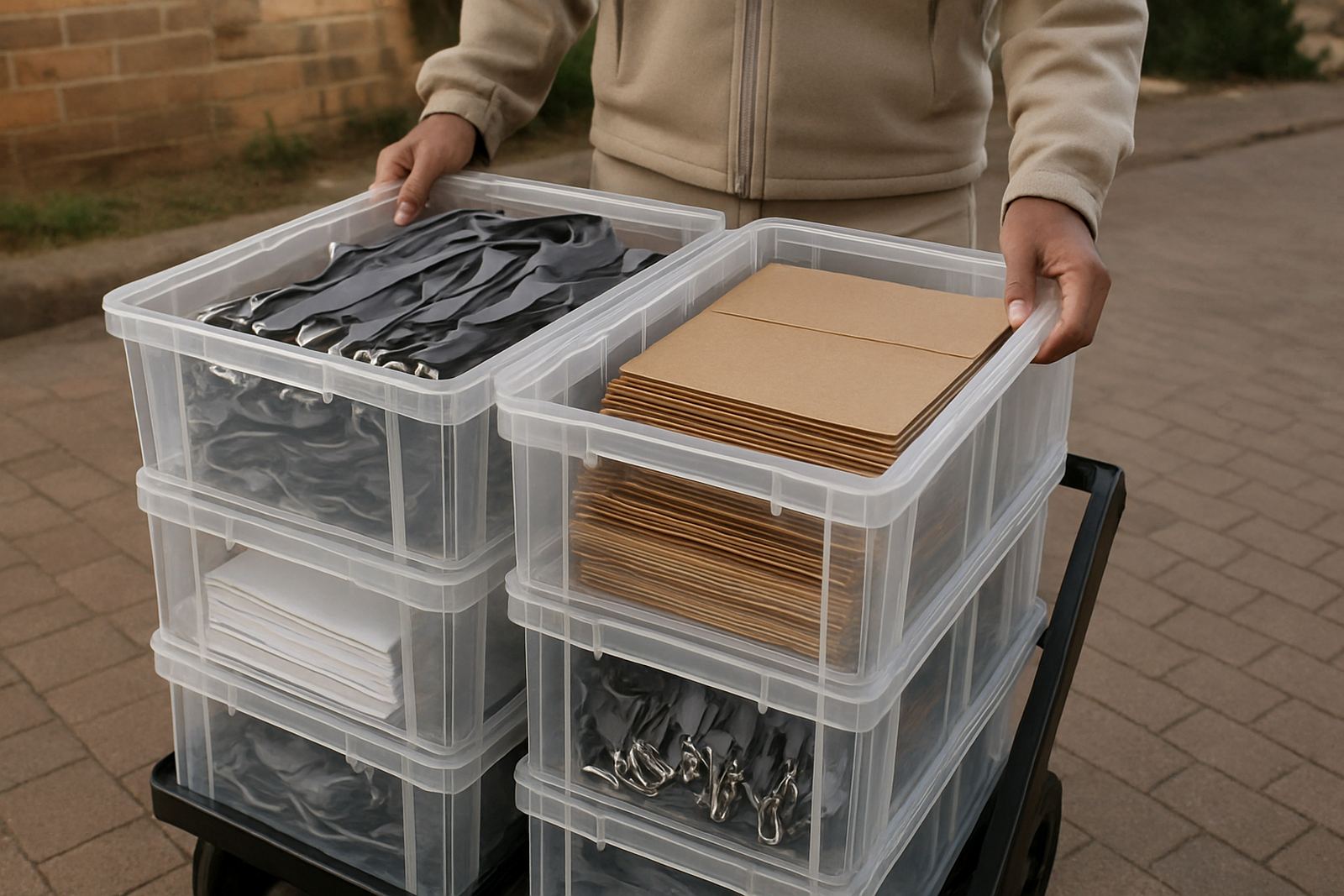
Most corporate office collections are modest in size, but they are time sensitive and often confidential. The usual load is easy to carry by hand or in a secure satchel, with packaging that protects paperwork from rain, dust and rough handling. Coastal humidity in Durban and salty air in Cape Town can affect envelopes, files and adhesive labels, so proper sealing helps.
- Signed contracts, annexures and board packs
- Payroll packs, HR files and sealed employee records
- Tender submissions and supporting compliance documents
- Inter-office mail, postroom bundles and return envelopes
- Small parcels, devices, access cards and printed material
- Supplier samples, invoices and account reconciliation packs
We also handle proof reporting for deliveries that require confirmation. That may include name-and-time verification, branch sign-off or receipt tracking for internal records. Where a business has strict audit requirements, this simple step can save a lot of back-and-forth later.
How to plan an efficient office courier route
Good office courier planning starts with knowing what must move daily and what only moves twice a week. A scheduled route from Midrand to Sandton, then on to Randburg and Johannesburg CBD, for example, can cut waiting time and reduce the number of urgent callouts. If your business has multiple sites, a fixed collection window is usually better than waiting for people to request dispatch at the last minute.
We often advise clients to group items by destination, urgency and sensitivity before pickup. That means separating legal or finance files from general mail, and keeping returned items in their own sealed pack. It also helps to keep a simple manifest at reception so the sender and receiver both know what left the building and when. For offices with shared reception areas, it is worth confirming who may release parcels and who may receive them, because access control can delay a delivery by 20 minutes or more.
- Set collection times that match branch opening hours
- Keep a named contact at each receiving office
- Use envelopes or files that close properly in transit
- Group same-day items before the vehicle arrives
- Confirm whether security will allow after-hours handover
Office layouts that make courier handling easier
Corporate buildings with reception control, lift access and basement parking need a slightly different approach from a simple street-front office. The cleaner the handover point, the faster the job moves. A table near reception or records, a sign-in sheet and a labelled shelf for outbound items can save time for both your staff and the courier. In taller buildings, especially in Sandton and Pretoria central areas, lift delays and parking rules can affect collection timing, so it helps to know the access route in advance.
If your office runs internal mail, set up a single outbound point for all departments. Finance should not leave packs in one area and HR in another if the driver only has one stop scheduled. The same logic applies to multi-branch support. When each branch uses the same packaging and handover process, returns are easier to track and disputes are less likely. For businesses with compliance checks, we recommend keeping copies of delivery notes in the office records for at least the period set by your internal policy.
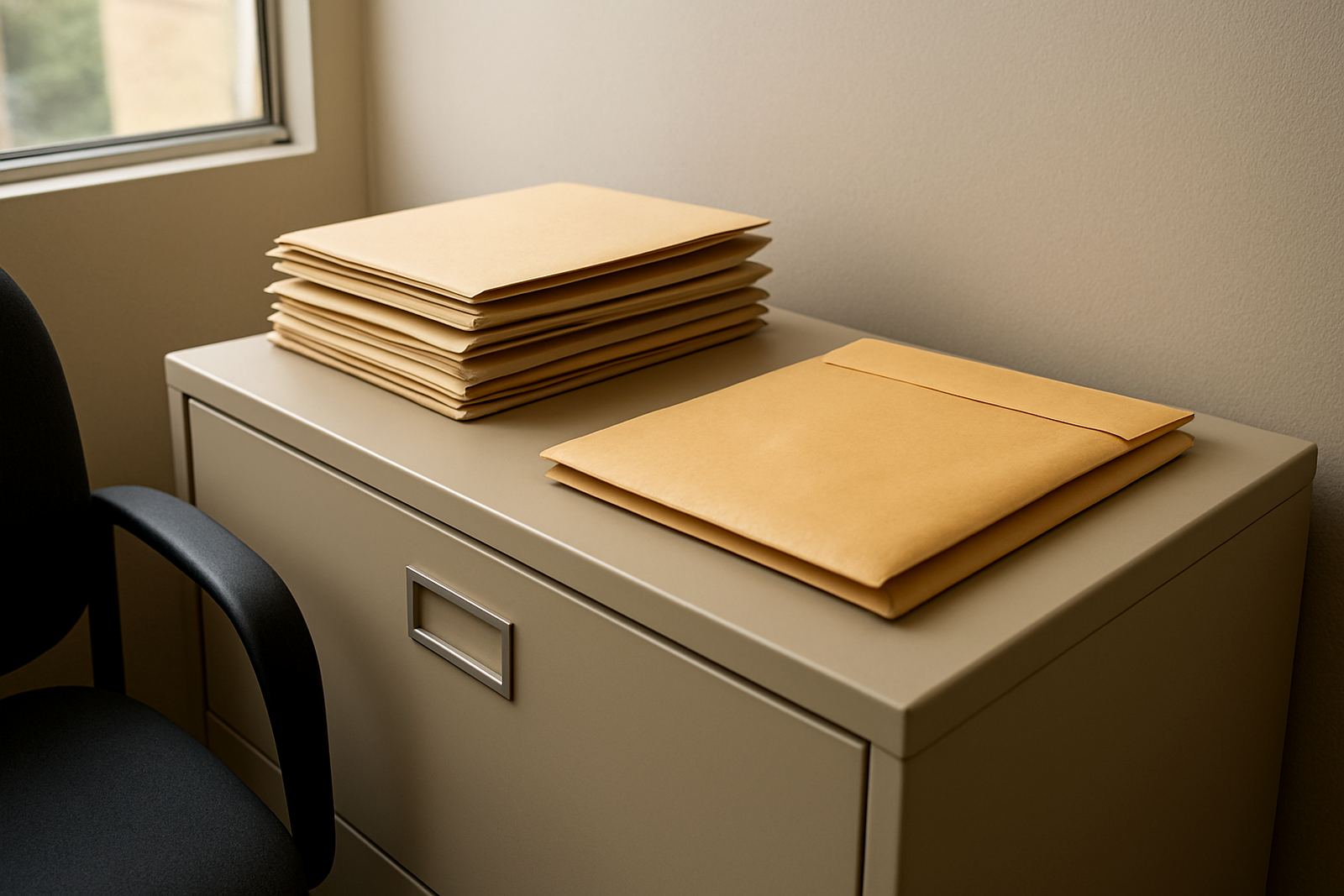
For firms with a high volume of confidential work, a secure lockable cabinet near the dispatch point is useful. It reduces the chance of files being left on open counters or mixed with general stationery. Small practical changes like this tend to matter more than fancy systems, and they work even when power is off or staff are working a reduced schedule.
Common mistakes that slow corporate deliveries
Most courier problems in offices come from avoidable admin errors rather than the road itself. The biggest one is waiting until the deadline is already tight before booking. Another is assuming the receiving office will be ready when the parcel arrives, which is not always the case if there is a board meeting, a site visit or a reception handover rule in place.
Wrong labelling is another common issue. If a file is marked only with a department name and not a person or branch, it may sit at reception longer than it should. We also see problems when clients send mixed items in one package, such as urgent legal papers with general marketing material. That can make proof reporting messy and creates confusion for the receiver.
- Booking after cutoff time and expecting same-day turnaround
- Using weak envelopes that tear in rain or during sorting
- Leaving out branch names, contact persons or reference numbers
- Sending confidential files without sealing them properly
- Forgetting to plan around building access, parking or security checks
A simple checklist before collection usually avoids these issues. It should include destination, contact name, item count, urgency level and any handling instructions. That small bit of prep saves time and reduces stress for everyone involved.
Budget ranges for office courier support in Rand
Corporate courier budgets depend on distance, urgency, number of stops and whether the job is one-off or part of a scheduled route. For local Midrand or Johannesburg office runs, small same-day deliveries can start from around R180 to R350 per trip for straightforward point-to-point work. Multi-stop Gauteng routes, especially with waiting time or branch handovers, usually sit higher, often from R450 to R950 depending on the day and route length.
Dedicated courier bookings for urgent office work, where the vehicle is reserved for your items alone, can range from about R700 to R1,800 for metro and regional work. If your business needs daily collections or weekly scheduled routes, the cost is usually easier to manage on a repeat basis, because the route is planned in advance and collection times are fixed. Account clients also tend to benefit from simpler monthly reconciliation, which matters for finance teams that do not want multiple random invoices.
For smaller businesses, the main cost saver is planning. Grouping items, booking early and using scheduled support where possible will usually keep spend lower than last-minute emergency calls. If the office has branches in Durban or Cape Town, the same planning principle applies, although metro distances and access conditions can shift the final price a bit.